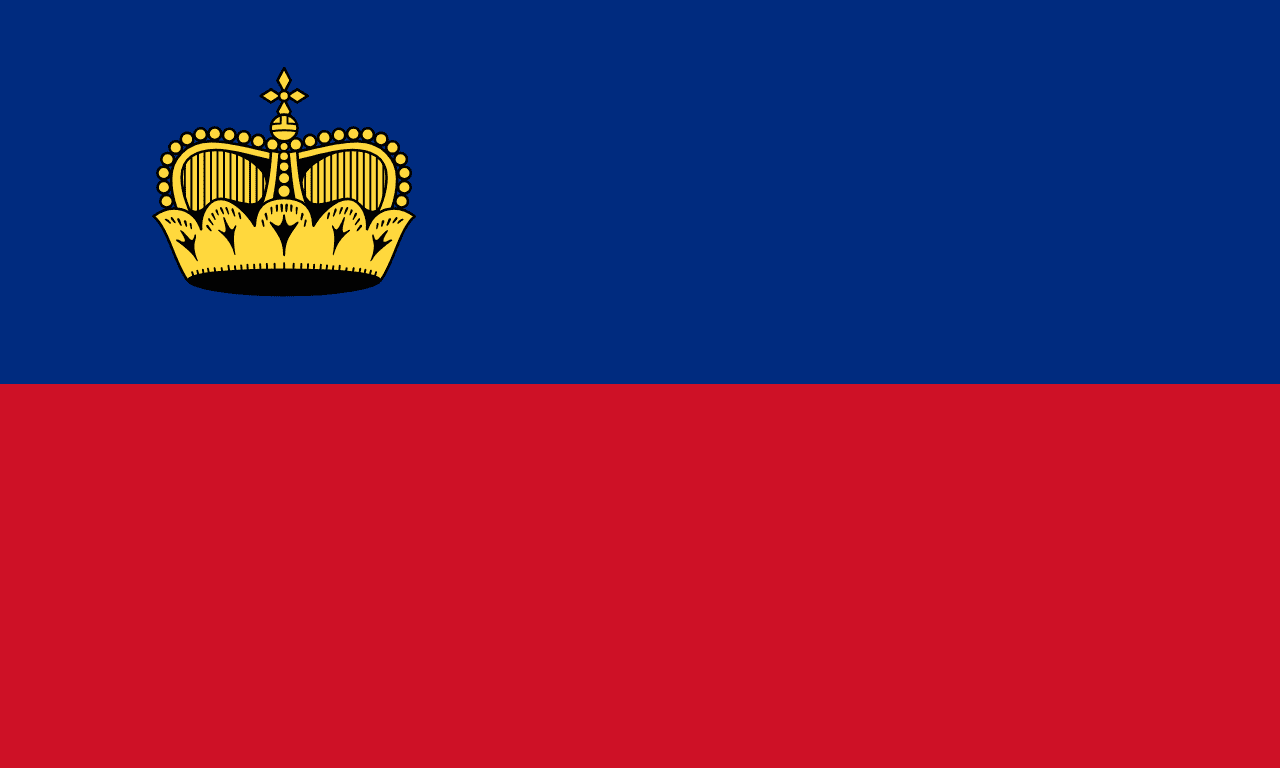
The History of Liechtenstein: From Ancient Times to Today
🌐 Translate:
**The History of Liechtenstein: From Ancient Times to Today**
Nestled between Switzerland and Austria, the tiny principality of Liechtenstein is often overlooked in the grand tapestry of European history. Yet, this charming landlocked nation boasts a rich and varied past, marked by strategic alliances, royal lineage, and a remarkable resilience that has shaped its identity through the ages. To understand Liechtenstein today, one must journey through ancient history, the rise and fall of empires, the struggle for independence, and the development of a modern state.
### Ancient Times: A Tapestry of Tribes and Cultures
Long before there were borders and national identities, the region that is now Liechtenstein was home to various Celtic tribes. The most notable of these were the Helvetii, who inhabited eastern Switzerland and parts of present-day Liechtenstein. Archaeological findings suggest that this area was rich in resources, particularly iron, which attracted these early settlers. The Celts established settlements, and their culture thrived until the Roman Empire expanded its influence across Europe.
With the arrival of the Romans in the 1st century BCE, the dynamic of the area shifted dramatically. The Romans built roads and established trade routes, facilitating the exchange of goods and ideas. The town of Chur, which is located nearby, became a pivotal Roman settlement. This integration into the Roman Empire marked the beginning of significant urban development in the region. However, as the Roman Empire began to crumble in the 5th century CE, Germanic tribes moved in, bringing with them new customs and practices that would lay the foundation for what would eventually become modern Liechtenstein.
### The Rise of the Counts of Liechtenstein
As the dust settled from the decline of Rome, the region witnessed the rise of feudalism. In the early 13th century, the first mention of the Liechtenstein name appears in historical records. The Counts of Liechtenstein, originating from the noble family of Liechtenstein, began to assert their control over the land. They were granted significant territories, including parts of Austria and Bohemia, and by the late medieval period, they held considerable influence within the Holy Roman Empire.
The family’s initial acquisition of the territory can be traced to the 1320s when the Counts purchased the lordship of Schellenberg. This marked a significant turning point; the territory was small but fortified their power in the region. In 1719, the Holy Roman Emperor granted them the title of principality, which formally recognized Liechtenstein as a sovereign entity, albeit still under the overarching umbrella of the Empire.
### The Age of Empires and Political Maneuvering
As the 18th century unfolded, Liechtenstein found itself caught in the tumult of European power struggles. The small principality navigated the complexities of alliances and enmities among larger states. The Holy Roman Empire was a patchwork of principalities, duchies, and kingdoms, and Liechtenstein's leaders were shrewd diplomats. Prince Johann I Joseph, the first sovereign prince of Liechtenstein, made critical decisions to maintain the autonomy and stability of his territory during this chaotic period.
The region experienced significant changes during the Napoleonic Wars in the early 19th century. The dissolution of the Holy Roman Empire in 1806 marked a critical juncture, as Liechtenstein had to redefine its place in Europe. The principality aligned with Austria, serving as a loyal ally, which ultimately preserved its independence. In 1815, Liechtenstein became a member of the German Confederation, although it remained largely autonomous, a status that it would continue to cherish.
### The 19th Century: A Quest for Independence and Modernity
The 19th century was a transformative time for Liechtenstein. With the rise of nationalism in Europe, many small states faced pressure to conform to the aspirations of larger nations. However, Liechtenstein maintained its independence, largely due to its strategic alliances and the astute leadership of its princes. The princely family, particularly Prince Franz I, became champions of modernization, introducing reforms in education, infrastructure, and governance.
During this period, the country also adopted a new constitution in 1862, which laid the groundwork for a parliamentary system. However, political tensions began to brew as various factions vied for power. The tensions culminated when a popular uprising in 1918 led to the establishment of a constitutional monarchy, marking an essential step toward the modern state of Liechtenstein.
### The Interwar Years and World War II
Like many European nations, Liechtenstein faced challenges during the interwar years. The aftermath of World War I brought economic difficulties, and the collapse of empires reshaped the political landscape. The principality sought to strengthen its position amid increasing instability in Europe. In 1921, a new constitution was adopted, cementing the role of the prince while granting citizens more rights, thus fostering a sense of national identity.
World War II posed a unique predicament for Liechtenstein. Despite its small size and apparent vulnerability, the principality managed to maintain its neutrality throughout the conflict. The leadership adopted a pragmatic approach, navigating pressures from both the Axis and Allied powers. The war years were a time of economic hardship, but the nation emerged relatively unscathed, largely due to its diplomatic efforts and geographical position.
### The Post-War Era: A New Dawn
The post-war era brought significant changes to Liechtenstein. The 1950s and 1960s marked a period of economic growth and development, as the principality capitalized on its neutrality and began to attract foreign investment. Banking and finance emerged as key sectors, transforming Liechtenstein into a significant player in the global economy. The country became known for its banking secrecy laws, which attracted businesses and affluent individuals seeking refuge from higher taxes in larger nations.
In 1978, Liechtenstein held a referendum, confirming its commitment to constitutional monarchy and the powers of the prince. This democratic endorsement reinforced the stability of the principality, allowing it to balance tradition with modern governance. The political landscape continued to evolve, and in 2003, the country held another referendum that expanded the powers of the prince, allowing for greater engagement in legislative processes.
### Liechtenstein Today: A Modern Sovereign State
Today, Liechtenstein stands as a sovereign state with a robust economy, a high standard of living, and a rich cultural heritage. The nation operates as a constitutional monarchy, with Prince Hans-Adam II serving as the head of state, although real political power is exercised by his son, Hereditary Prince Alois. The principality is known for its political stability, low taxes, and favorable business climate, which have attracted international companies seeking to establish a presence in Europe.
Despite its small size, Liechtenstein boasts a vibrant cultural scene, with a commitment to preserving its traditions while embracing modernity. The capital city, Vaduz, is home to several museums, galleries, and the historic Vaduz Castle, which symbolizes the principality's royal heritage. The annual National Day celebrations in August are a testament to the pride and unity of the Liechtenstein people, showcasing their unique identity and traditions.
### Conclusion: A Legacy of Resilience and Diplomacy
The history of Liechtenstein is a captivating tale of resilience, diplomacy, and adaptation. From its ancient beginnings to its modern-day status as a prosperous principality, Liechtenstein has navigated the complexities of European politics with grace and determination. The lessons learned from the past continue to shape the nation's trajectory, as it strives to balance its rich heritage with a vision for the future.
As we look toward the horizon, Liechtenstein serves as a reminder that even the smallest nations can wield significant influence through wise leadership and strategic decision-making. With its picturesque landscapes and thriving economy, this hidden gem in the heart of Europe remains a testament to the enduring spirit of its people and the legacy of their remarkable history.