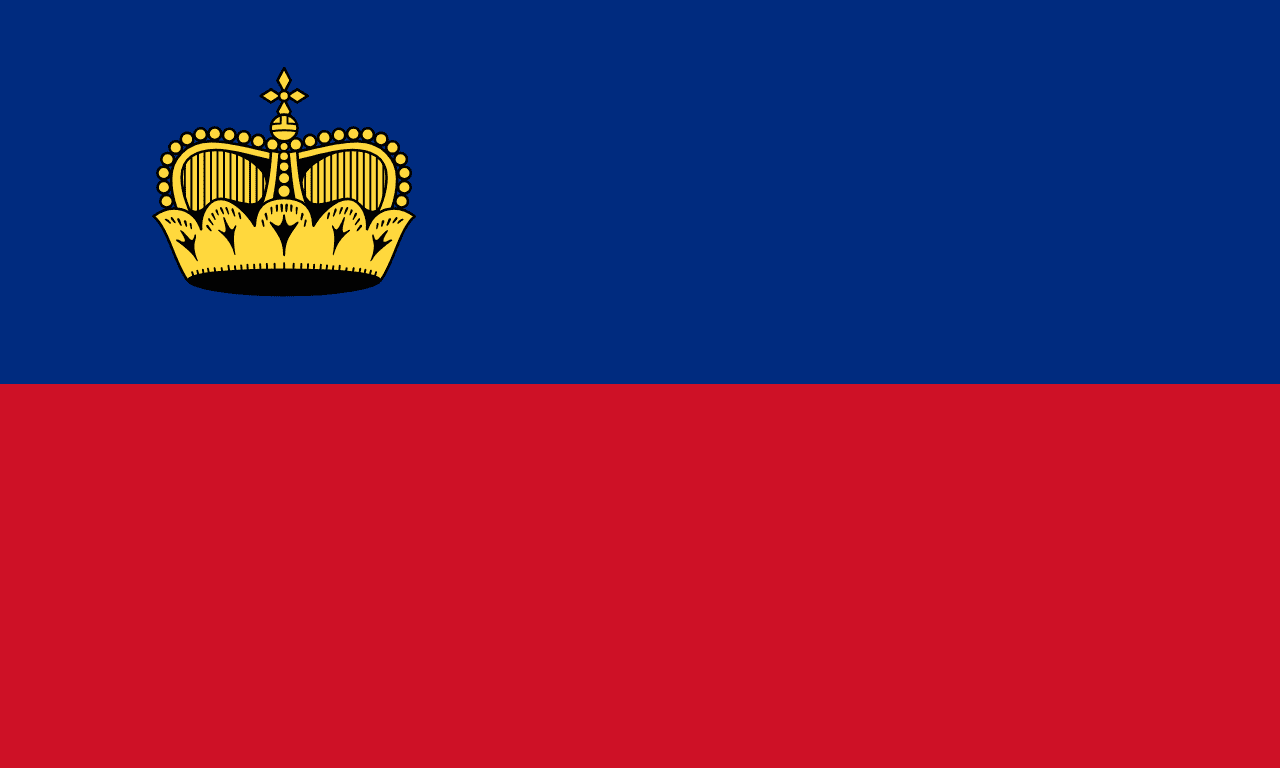
Nestled between Switzerland and Austria, Liechtenstein may be one of the smallest countries in the world, but it boasts a unique charm that provides a rich tapestry of daily life for its residents. Having lived here for several years, I can attest that life in this Alpine principality is as picturesque as its breathtaking landscapes, and it has a rhythm all its own. From the hustle of city life to the tranquility of the mountains, let me take you through a typical day in Liechtenstein, revealing the intricacies of its culture, cost of living, food, and social customs.
Each day begins with a gentle reminder of Liechtenstein’s natural beauty. As the sun rises over the Vaduz Castle, the capital’s iconic landmark, locals greet the day with a sense of gratitude for the stunning views that surround them. The morning air is often crisp, invigorated by the nearby mountains. For many, a morning ritual includes a leisurely stroll or a bike ride along the Rhine River, with the sound of water flowing and birds chirping setting a peaceful tone for the day. The fresh air is invigorating and a stark contrast to the busier urban centers found in larger countries.
Cost of living in Liechtenstein can be a shock to newcomers. While it offers a high standard of living, it also comes with a price. Rent can take a significant bite out of your budget; a small apartment in the capital can range from CHF 1,200 to CHF 2,500 depending on the location and amenities. Groceries, too, are notably expensive, as many items are imported. A loaf of bread typically costs CHF 2.20, and a liter of milk hovers around CHF 1.40. Dining out can also be pricey, with a typical meal in a restaurant ranging from CHF 20 to CHF 40. However, despite the high costs, the quality of life here often justifies the expenses. Public services are excellent, healthcare is top-notch, and the education system is highly regarded, which is why many families decide to put down roots here.
Food culture in Liechtenstein reflects a blend of Swiss, Austrian, and German influences. Traditional dishes often feature hearty ingredients, perfect for the cold winters. A beloved local dish is “Käsknöpfle,” a comforting comfort food made of pasta, cheese, and often served with caramelized onions. It’s common to find it gracing dinner tables, especially during family gatherings. On Fridays, you may stumble upon a local market in Vaduz where vendors showcase fresh produce, artisanal cheeses, and homemade pastries. A slice of “Apfelstrudel” (apple strudel) from one of these markets is a must-try, often accompanied by a dollop of whipped cream.
Social customs in Liechtenstein exhibit a balance of warmth and formality. Greetings are essential, and it’s customary to shake hands and maintain eye contact when meeting someone. Familiarity is appreciated, but respect for personal space remains important. The locals often use the phrase “Grüzi” or “Hallo,” depending on the formality of the context. In more casual settings, you might hear “Wie gaht's?” which translates to “How are you?” and is often accompanied by a friendly smile.
Family life in Liechtenstein is deeply cherished. Families tend to be small, often consisting of one or two children. The community values close-knit relationships, and many families gather regularly for meals, often on Sundays. A popular family activity is hiking in the surrounding mountains. On weekends, you’ll find parents and children navigating trails, enjoying the outdoors, and taking part in local festivals. Each year, the national holiday on August 15 is a grand affair, marked by fireworks, parades, and community feasts, drawing families together in celebration.
Work culture in Liechtenstein is characterized by professionalism and productivity, yet it also encourages a healthy work-life balance. The standard workweek typically runs from Monday to Friday, with many businesses closing for lunch between noon and 1:30 PM. In my experience, punctuality is highly valued, and meetings are usually structured with clear agendas. The local economy is diverse, with a strong emphasis on finance, manufacturing, and technology. The financial sector is particularly robust, and residents often find ample opportunities in this field, despite the country's size.
When the weekend rolls around, locals enjoy a mix of relaxation and adventure. Saturdays often see residents heading to the local shops, gearing up for a hike, or enjoying a leisurely coffee at one of the many quaint cafes. The renowned “Liechtenstein National Museum” is a popular weekend destination, where families can immerse themselves in the rich history and culture of the principality. Sundays are typically quieter, with many people taking time to recharge. A popular way to unwind is to attend church services, which still hold significance in this predominantly Catholic country.
The weather in Liechtenstein plays a crucial role in shaping daily life. Winters can be quite cold, with temperatures often dropping below zero. However, this cold sets the stage for winter sports, and skiing enthusiasts flock to the nearby slopes. Residents take advantage of the winter months by hitting the ski resorts, with ski passes costing around CHF 50 per day. Summers, on the other hand, are mild and pleasant, making it ideal for outdoor activities like hiking, biking, or picnicking in one of the many scenic parks. The changing seasons foster a sense of connection to nature, and locals often express their appreciation for the beauty that accompanies each new season.
Living in Liechtenstein isn't without its challenges. The high cost of living can be daunting, and finding affordable housing can be a struggle for newcomers. Moreover, while the country is small and community-oriented, this can also lead to a feeling of being “stuck” at times, especially for those used to the anonymity of larger cities. The limited public transportation system can also pose difficulties, as many residents rely on cars for commuting. However, the benefits often outweigh these challenges. The stunning natural beauty, low crime rates, and a sense of safety contribute to a quality of life that is unmatched.
For foreigners, the most surprising aspect of life in Liechtenstein is often the sense of community and the warmth of the people. The locals are friendly and welcoming, eager to share their culture, traditions, and stories. Despite the small population, you’ll find a diverse mix of cultures and languages, with German as the primary language, but English and Swiss German also making frequent appearances. Many residents are multilingual, and this openness to diversity creates a unique atmosphere.
In conclusion, life in Liechtenstein is a blend of stunning landscapes, rich traditions, and modern conveniences. The daily rhythm pulsates with the sounds of nature, the warmth of community, and the flavors of hearty cuisine. While the cost of living and occasional challenges may seem daunting, the rewards of living in such a beautiful, safe, and vibrant place are countless. From cozy family gatherings to exhilarating weekends spent in the mountains, life here offers a unique blend of tranquility and adventure. Liechtenstein, with its charm and character, truly is a hidden gem waiting to be discovered.