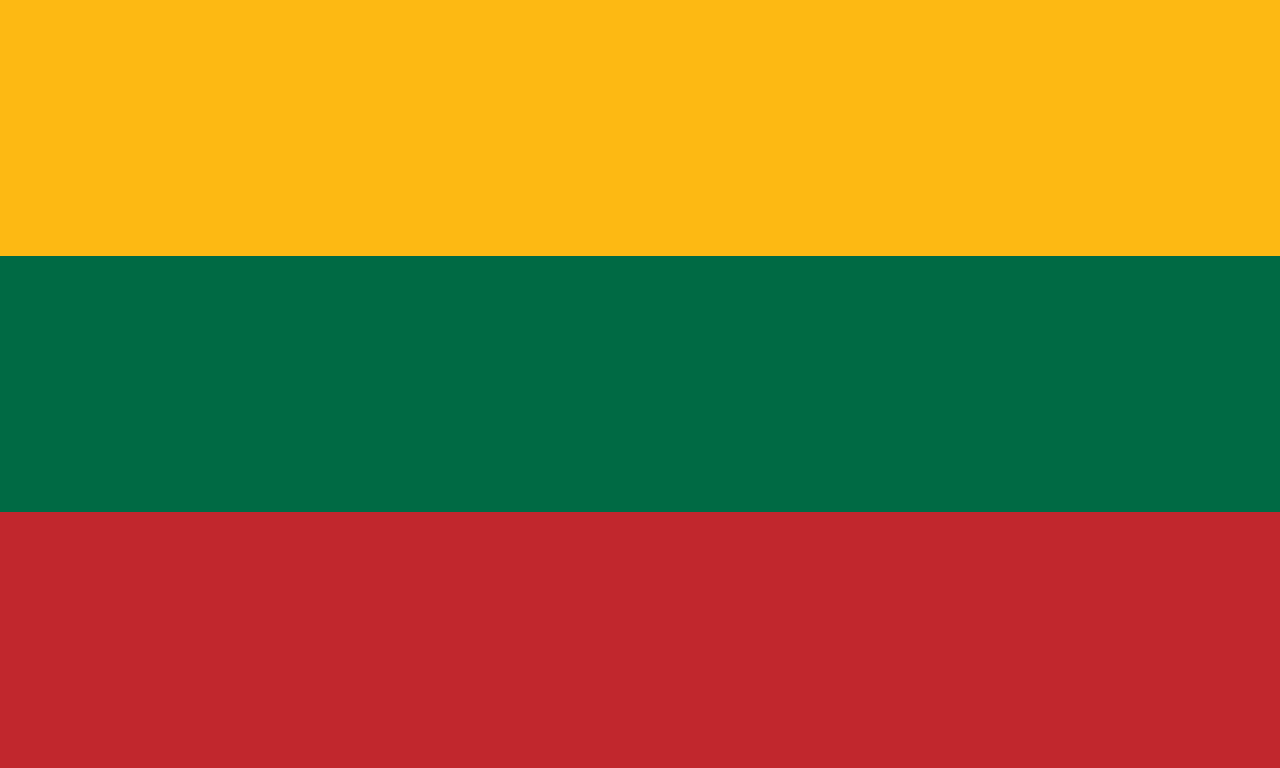
Living in Lithuania is like stepping into a unique blend of rich history, vibrant culture, and breathtaking nature. Nestled in the heart of the Baltic region, this small yet dynamic country offers a surprising depth of experiences that leave a lasting impression on locals and visitors alike. Having lived in Lithuania for several years, I’ve come to appreciate the daily rhythms, the warmth of its people, and the quirks that make life here so distinctive.
Let's start with the daily life. For most Lithuanians, mornings begin early. The alarm clock usually goes off around 6:30 am, and by 7:00 am, the streets start coming to life. While many people may have their morning coffee at home, you’ll notice that a significant number of Lithuanians prefer to grab a cup to go from local cafes. A latte typically costs around €2.50, and you can find cozy spots like Café de L’Art or Vero Cafe, which are perfect for people-watching as the city wakes up.
Public transport is a lifeline for many Lithuanians, especially in urban areas like Vilnius and Kaunas. The bus and trolleybus systems are efficient and affordable, with a single ride costing just €1. However, what I love most about living in Lithuania is the sense of community that unfolds on these routes. You’ll often find locals chatting casually about their day or sharing a hearty laugh, which is refreshing in a world where people tend to keep to themselves.
When it comes to the cost of living, Lithuania is often perceived as a budget-friendly destination in Europe. Rent for a one-bedroom apartment in Vilnius city center averages around €600, while a similar apartment in smaller cities like Klaipeda can go for as low as €350. Groceries are reasonably priced, and you can expect to pay around €1 for a loaf of bread, €2 for a liter of milk, and about €1.50 for a dozen eggs. Dining out is also quite affordable; a meal at a mid-range restaurant will set you back around €15-20.
Food culture in Lithuania is deeply rooted in tradition. The cuisine reflects a rich agricultural heritage, with an emphasis on hearty, wholesome ingredients. You'll find staples like rye bread, potatoes, and beets in almost every dish. One of the most iconic dishes is cepelinai, or “zeppelin,” a potato dumpling typically filled with meat and served with creamy sauce, which is absolutely a must-try. A serving will usually cost around €8-10 in a local restaurant.
Cafes and bakeries play a significant role in social life here. You can’t miss the charming pastry shops, where the aroma of Šakotis, a traditional Lithuanian cake, fills the air. A slice will cost you about €3, and it’s the perfect accompaniment to a chat over coffee with friends. During festive seasons, you’ll also find local foods like kugelis, a potato pudding that’s often served during family gatherings, showcasing the importance of food in social customs and celebrations.
Speaking of social customs, Lithuanians are known for their warm yet reserved demeanor. Breaking the ice might take some time, but once you get to know someone, you’ll find they are incredibly friendly and hospitable. For instance, it’s common for friends to greet each other with a firm handshake and a smile, and when invited to someone’s home, it’s customary to bring a small gift, such as flowers or a bottle of wine. Don’t be surprised to hear the phrase “Laba diena” (Good day) being exchanged as you traverse through towns and cities.
Family life in Lithuania is at the heart of the culture. Family gatherings are cherished occasions, often filled with laughter, music, and, of course, plenty of food. Sunday dinners are particularly significant, where you’ll find extended families coming together to share home-cooked meals. Children are usually raised with strong values around respect and responsibility, and many Lithuanians maintain close bonds with their parents and grandparents throughout their lives.
When it comes to work culture, you’ll find that Lithuanians value hard work and dedication. The typical workweek is Monday to Friday, 9 am to 5 pm, although many people may opt to work later hours. The atmosphere in the workplace can be quite formal, especially in traditional sectors, but there is also a growing trend towards a more relaxed and flexible work environment in modern startups and tech companies. Breaks are essential; you’ll often see employees gathering for a quick coffee chat, fostering camaraderie among coworkers.
As the weekend rolls around, Lithuanians embrace a variety of activities, depending on personal interests. Many locals love to escape to nature, given that the country is blessed with countless forests, lakes, and national parks. Places like the Curonian Spit or Trakai Island Castle offer stunning views and a chance to unwind. Hiking, cycling, and picnicking are popular pastimes when the weather permits. An average weekend getaway might cost around €50-100 for transport and food—an excellent investment for a refreshing experience.
Cultural activities also flourish over the weekends. Art exhibitions, theater performances, and music festivals are common, especially in Vilnius, where there's always something happening. The Vilnius Festival, a yearly celebration of classical music, is just one of the many events that draw crowds from all over. You might find tickets priced from €15 to €50, depending on the performance, but the emotional connection to the arts is worth every cent.
Now let’s talk about the weather, which plays a significant role in shaping daily life in Lithuania. Winters can be quite harsh, with temperatures often dropping to -10°C or lower. Snow blankets the landscape, creating a picturesque winter wonderland, but it can deter some from venturing outside. That said, winter sports like skiing and ice skating are popular, and the locals embrace their frosty environment with warm clothes and hot drinks. Summer, on the other hand, is short yet delightful, with temperatures soaring up to 30°C. The long days encourage outdoor activities, and you’ll see parks filled with families enjoying picnics or playing games.
Living in Lithuania, however, doesn’t come without its challenges. The language barrier can be daunting for newcomers, particularly since Lithuanian is considered one of the most challenging languages to learn. It’s a complex language with unique phonetics and grammatical structures. However, many Lithuanians speak English, especially among the younger generation, which helps bridge the gap for expatriates.
Another challenge is the bureaucracy, which at times can be slow and frustrating. Completing paperwork for residence permits or business licenses often requires patience and persistence. On the positive side, this can lead to a profound sense of accomplishment once you navigate through the system and find your footing.
Despite these challenges, the positives of living in Lithuania far outweigh the negatives. The sense of community, the stunning natural landscapes, and the rich cultural heritage create a unique atmosphere that is hard to replicate elsewhere. You’ll find that the cost of living allows for a comfortable lifestyle, and the friendliness of the people makes it easy to forge connections.
One of the most surprising aspects for foreigners living in Lithuania is the country’s dedication to sustainability and green living. Many cities have implemented extensive cycling lanes, and eco-friendly transport options are widely promoted. The locals are also increasingly conscious of their environmental impact, with a strong emphasis on recycling and using renewable resources.
In conclusion, life in Lithuania is a beautiful tapestry woven from rich traditions, communal bonds, and a deep appreciation for nature. Whether you’re enjoying a hearty meal with family, exploring the stunning landscapes, or soaking in the vibrant cultural scene, there is an undeniable charm that envelops you. It’s a place that invites you to slow down, connect with others, and savor the simple pleasures of life. As you navigate the daily rhythms, embrace the quirks, and relish the warmth of this wonderful country, you may just find that Lithuania captures your heart just as it has mine.