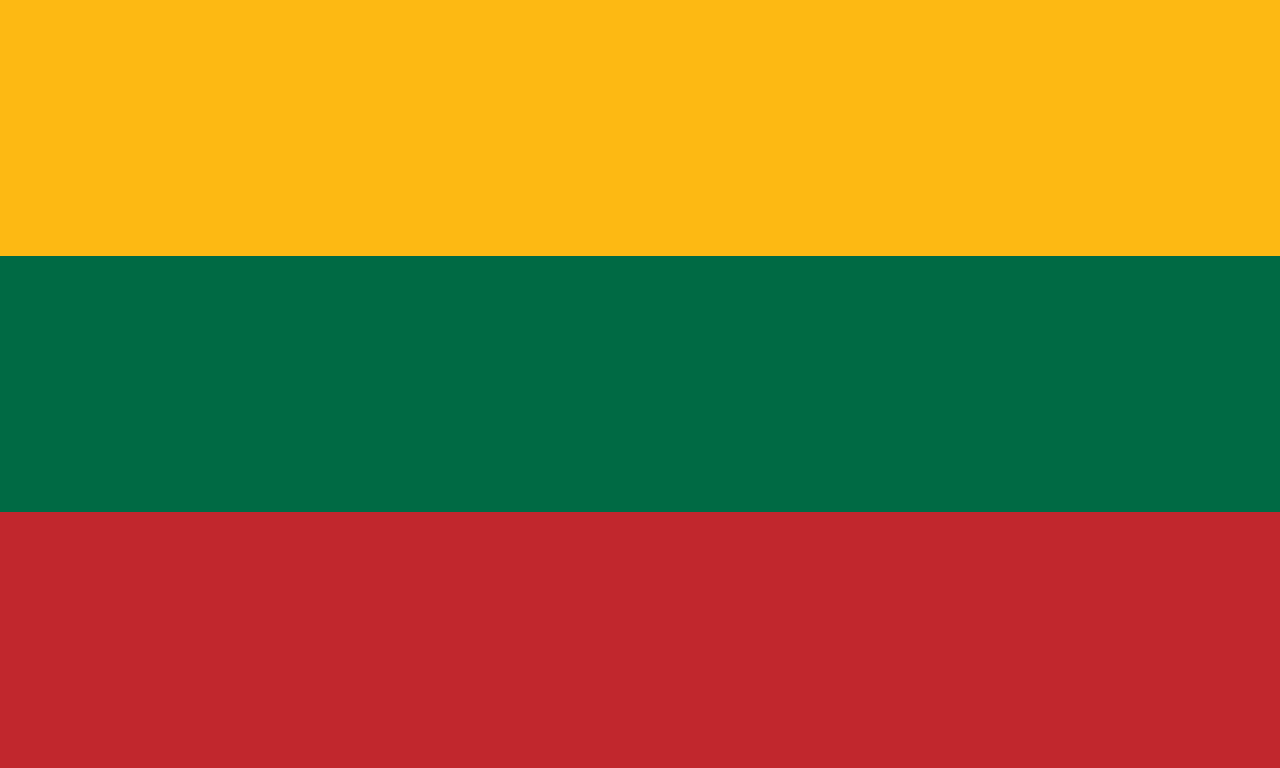
Lithuania is the largest of the three Baltic states, a country of ancient forests, amber coastlines, and a capital city that surprises nearly every visitor with its scale, beauty, and depth. Positioned between Latvia to the north, Belarus to the east, Poland to the south, and the Baltic Sea to the west, Lithuania occupies a geographic crossroads that has shaped its history profoundly.
Vilnius, the capital, contains one of the largest surviving medieval Old Towns in Central Europe, a UNESCO World Heritage Site. Its baroque churches, including St. Anne's Church — which so impressed Napoleon that he reportedly wanted to carry it back to Paris — cobblestone alleys, and hilltop Gediminas Tower create an atmosphere that feels both ancient and alive. The republic of Užupis, a quirky self-declared independent neighborhood within Vilnius populated by artists and bohemians, has its own constitution promising every person the right to be happy.
The Curonian Spit, shared with Russia's Kaliningrad, is one of the most remarkable natural features in Northern Europe. This narrow strip of land separates the Curonian Lagoon from the Baltic Sea and is dominated by enormous sand dunes that shift and advance like something from the Sahara. The Hill of Witches on the spit features carved wooden sculptures of mythological figures lining forest trails.
The Hill of Crosses near Šiauliai is one of Lithuania's most iconic and haunting sites — a mound covered in over 100,000 crosses of every size, planted by pilgrims over centuries as acts of faith, defiance during Soviet occupation, and memorial. It is one of the most spiritually charged places in the region.
Lithuania's cuisine reflects its forest and agricultural heritage. Cepelinai — large potato dumplings stuffed with meat and served with sour cream — are the national dish. Cold beet soup, dark rye bread, smoked eel from the Curonian Lagoon, and mushrooms gathered from the country's vast forests appear on every traditional table.
Lithuania was the last European country to officially convert to Christianity, in 1387, and traces of its pre-Christian culture survive in folk traditions, festivals, and the reverence for oak trees and amber.
The best time to visit is May through September, when the days are long and warm. Midsummer celebrations on June 23rd, Joninės, involve bonfires, flower wreaths, and overnight festivities that capture the old pagan spirit of Lithuania.