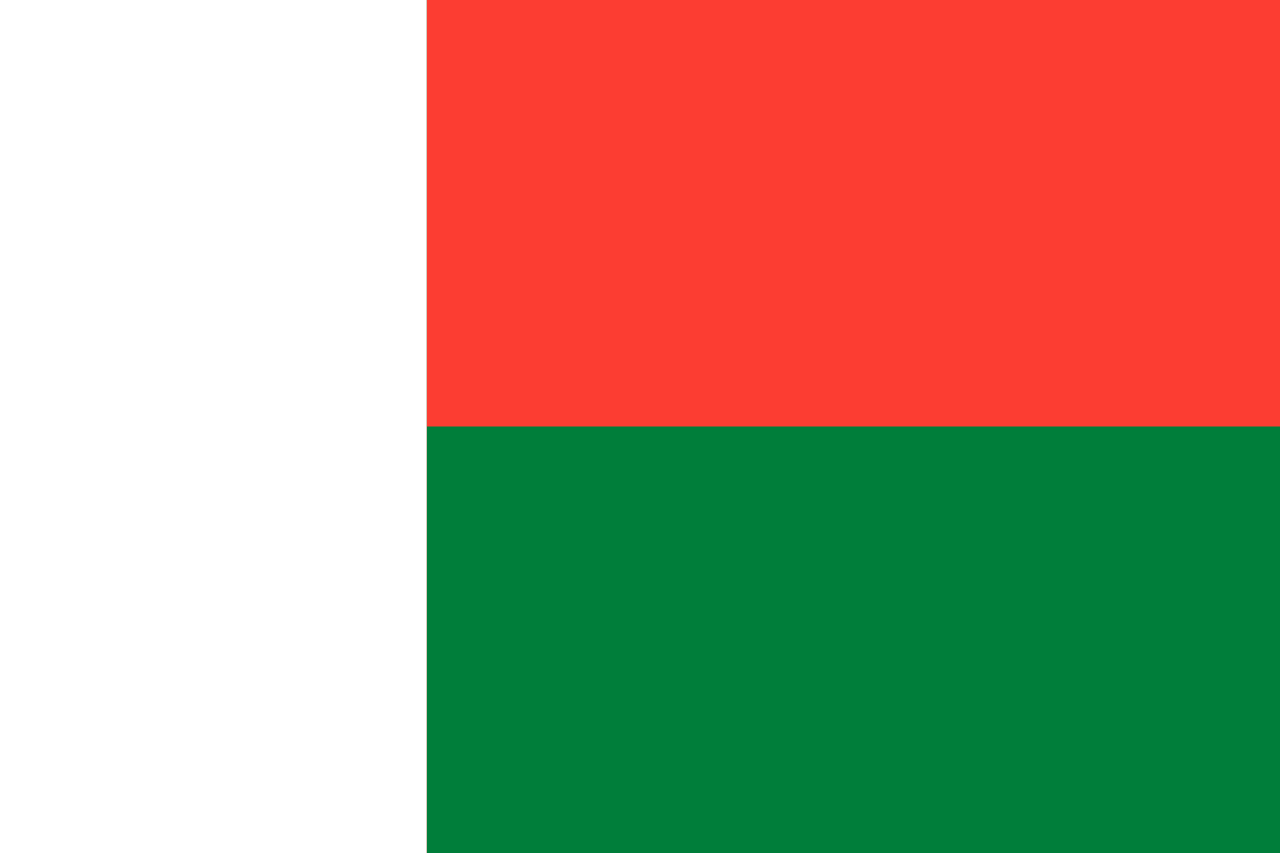
Madagascar, the island nation off the southeastern coast of Africa, boasts a culinary culture as diverse and vibrant as its unique flora and fauna. This is a land where the spice trade once flourished, where indigenous traditions blend seamlessly with influences brought by the French and other colonial powers. As I wandered the sun-kissed streets of Antananarivo and the tranquil shores of Nosy Be, I discovered that the heart of Madagascar truly beats through its food. Each dish tells a story, every bite reveals a culture, and every meal brings a sense of connection to the land and its people. Join me as I recount the tantalizing flavors and unique dishes that make Madagascar a culinary paradise.
One of the first dishes that captured my heart was **Romazava**. This traditional Malagasy stew is a comforting hug in a bowl. Made from zebu meat, which is a local breed of cattle, and accompanied by a medley of leafy greens, it is seasoned with fresh ginger and garlic, giving it a fragrant aroma. The dish has a light, yet rich flavor, and is often enjoyed with a side of steaming white rice, which is a staple in every meal across Madagascar. You’ll typically find Romazava in family-run eateries or local markets, where it’s served in generous portions. It carries a sense of home and history, as families have passed down the recipe for generations, gathering around pots simmering slowly over wood fires.
Next on the list is **Zebu Steak**, a true delicacy that showcases Madagascar's pastoral heritage. The zebu, with its distinctive hump and large frame, offers a rich and flavorful beef that is tender when cooked right. Grilled to perfection and often served with a tangy sauce made from crushed tomatoes and onions, the steak has a smoky, savory flavor that lingers on the palate. In cities like Antananarivo, you can find zebu steak at lively street stalls, where the aroma of grilling meat wafts through the air. It’s common to enjoy this dish in a casual setting, often accompanied by a cold local beer. The cultural significance of zebu in Madagascar cannot be overstated; they are not only a source of food but also represent wealth and status in many communities.
Another dish that embodies the spirit of Madagascar is **Koba**, a sweet treat that I stumbled upon while visiting a bustling market. Koba is a traditional cake made from ground peanuts, rice flour, and sugar, wrapped in banana leaves and steamed to perfection. The result is a soft, sticky, and slightly nutty cake that melts in your mouth. Its taste is a delightful balance of sweetness and earthiness, making it an irresistible snack. Vendors often sell Koba at festivals and family gatherings, where it is enjoyed as a symbol of well-being and prosperity. I always found myself gravitating towards the stalls offering Koba, enjoying its comforting flavors amidst the vibrant market atmosphere.
As I traveled deeper into the heart of Madagascar, I was introduced to **Ravitoto**, a dish that features shredded cassava leaves cooked with zebu meat and flavored with garlic and spices. The earthy taste of the cassava leaves pairs beautifully with the richness of the meat, creating a dish that feels both hearty and wholesome. Ravitoto is commonly served with rice, making it a staple in many households. It’s often prepared for special occasions, showcasing the Malagasy tradition of gathering family and friends around the table to share a meal. I had the pleasure of enjoying Ravitoto in a small village home, where the lively conversation and laughter filled the air, further enhancing the experience.
Locals also cherish **Vary Amin’Anana**, a dish that reflects Madagascar’s agricultural richness. This simple yet delicious meal consists of rice cooked with a variety of greens and herbs, including chard, spinach, and sometimes even wild ferns. The result is a vibrant and nutritious dish, bursting with flavor from the fresh ingredients and a drizzle of coconut milk for creaminess. Vary Amin’Anana is often enjoyed as a side dish but can stand alone as a light meal, particularly in rural areas where fresh produce is abundant. I found myself savoring this dish in a humble local restaurant, surrounded by friendly faces who welcomed me to share their culinary heritage.
Another must-try is **Mofo Gasy**, or Malagasy rice cake, a popular breakfast item that I discovered while wandering the streets of Antananarivo. These small, round cakes are made from rice flour and coconut milk, resulting in a sweet, slightly chewy texture. Often cooked in traditional wooden molds, Mofo Gasy can be enjoyed plain or with a sprinkle of sugar on top. The taste is reminiscent of a light pancake, offering a satisfying start to the day. I loved grabbing a warm Mofo Gasy from a street vendor, enjoying it alongside a cup of locally brewed coffee while soaking in the vibrant morning atmosphere.
**Akoho sy Voanio** is another dish that tantalized my taste buds during my travels. This flavorful chicken curry features chicken cooked in coconut milk, with an array of spices that include ginger, garlic, and sometimes a hint of chili. The creamy coconut base creates a rich and comforting sauce that pairs perfectly with rice. As I enjoyed this dish at a seaside restaurant, the sound of waves lapping against the shore added to the sensory experience. Akoho sy Voanio is often served during special occasions and family gatherings, showcasing the importance of sharing food and celebrating together in Malagasy culture.
As I journeyed through the coastal regions, I came to appreciate the ocean's bounty, particularly with **Saka Saka**, a dish made from cassava leaves cooked with fish or meat. The leaves are typically sautéed with onions, garlic, and spices, resulting in a dish that’s both hearty and bursting with flavor. The combination of cassava leaves with fresh fish creates a unique flavor profile, enhancing the traditional Malagasy palate. I had the pleasure of trying Saka Saka in a local fishing village, where the freshness of the ingredients was palpable, and the hospitality of the fishermen’s families made the experience even more special.
Moving towards something sweet, I encountered **Fried Bananas**, or **Kitoza**, which are bananas sliced and fried until golden brown. This simplistic yet delightful dish is often served as a dessert or snack and is a favorite among both locals and tourists. The bananas become caramelized on the outside, while the inside remains soft and sweet. I found myself indulging in Kitoza at various roadside stalls, often paired with a scoop of local vanilla ice cream, creating a perfect end to my meals. Its simplicity reflects the Malagasy spirit of using available ingredients to create comforting treats.
Lastly, I cannot forget to mention **Sambos**, the Malagasy version of samosas, which are savory pastries filled with spiced meat or vegetables. These deep-fried delights are a popular street food, often enjoyed as a quick snack while on the go. The flaky pastry, combined with the savory filling, creates a satisfying crunch that is hard to resist. During my explorations, I found Sambos being served at local markets, where the vibrant atmosphere and the aroma of fried food combined to create an irresistible charm. Each bite was a reminder of the fusion of cultures in Madagascar, with influences from Indian cuisine evident in this beloved snack.
Having savored these ten incredible dishes, I can confidently say that the best way to experience Madagascar's culinary diversity is by immersing yourself in its local food scene. From bustling markets filled with fresh produce and street stalls serving up the best snacks to charming restaurants where traditional recipes are lovingly prepared, the island offers a plethora of options. Don’t miss the vibrant markets like Analakely Market in Antananarivo or the seaside eateries in Nosy Be, where the flavors of Madagascar come alive. Each meal is not just about nourishing the body; it’s an invitation to connect with the culture, the people, and the land itself. So come hungry, and let Madagascar's culinary treasures fill your heart and soul.