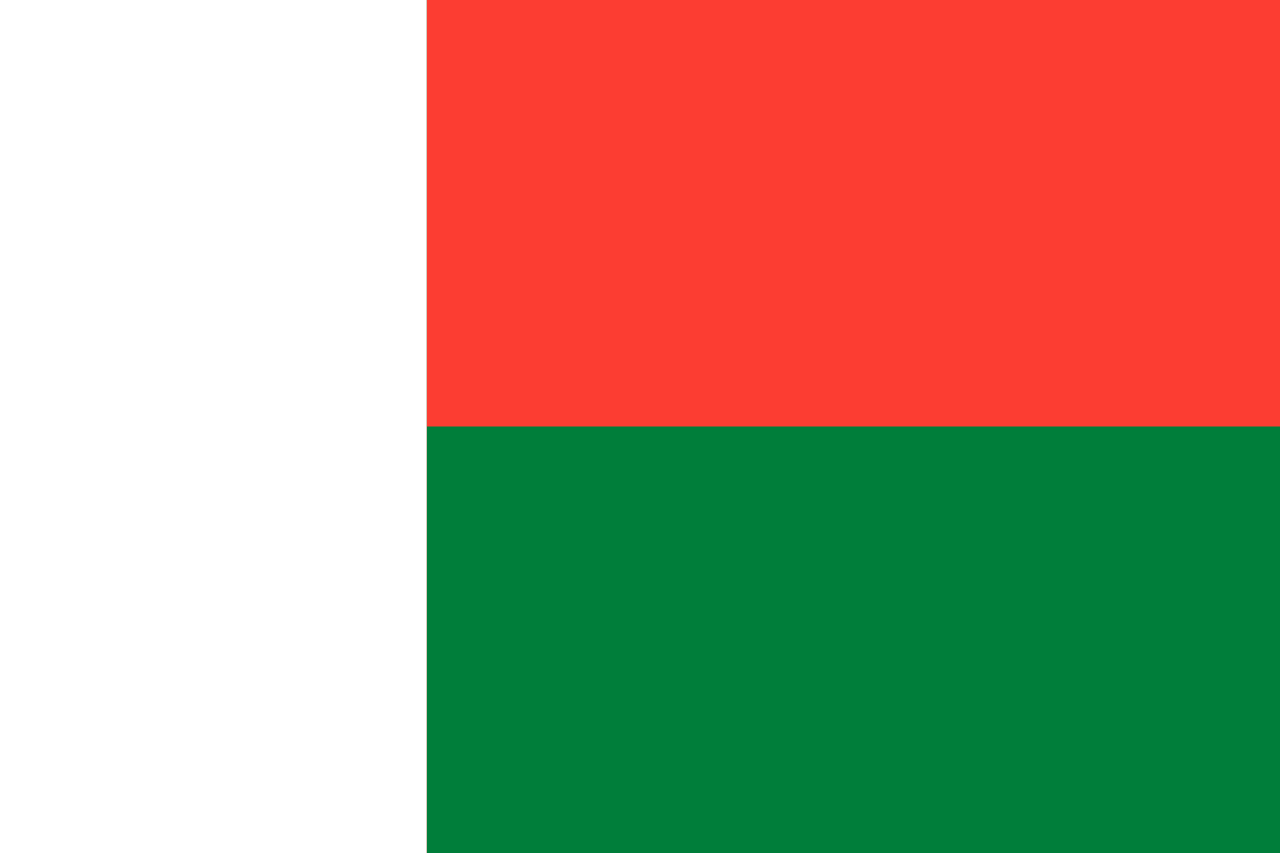
Madagascar, an island nation off the southeastern coast of Africa, is a place of stunning contrasts and vibrant culture. Living here has been an eye-opening experience, one marked by the beauty of the landscape, the warmth of the people, and the daily rhythms of life that shape everything we do. As I’ve settled into my life in Madagascar, I’ve come to appreciate the nuances of everyday existence on this fascinating island.
The day usually begins early in Madagascar, often before the sun rises. The roosters start crowing around 4:30 AM, and by the time the golden hour lights up the sky, many locals are already on their feet. I live in Antananarivo, the capital, where the sounds of the bustling city awaken at dawn. Street vendors set up shop, selling everything from fresh fruits to grilled meats. The aroma of street food wafts through the air, mingling with the earthy scent of the morning dew. You can grab a steaming bowl of “koba,” a local treat made from ground peanuts and rice flour, for about 1,000 Ariary (around $0.25).
As for the cost of living, Madagascar is fairly affordable, especially when compared to many Western countries. Rent for a modest apartment ranges from 150,000 to 300,000 Ariary ($40 to $80) per month, depending on the location and amenities. Utilities are relatively inexpensive, usually around 50,000 Ariary ($12) a month. However, imported goods can be quite pricey, which often leads locals to rely on locally sourced products. The markets, known as “tsena,” offer a vibrant array of fresh produce, where a kilo of rice can be found for about 1,500 Ariary ($0.40) or a basket of mangoes can cost around 2,000 Ariary ($0.55) during the peak season.
Food culture is a cornerstone of life in Madagascar, steeped in traditions and local ingredients. Rice is the staple food—called “vary” in Malagasy—and is eaten with almost every meal, typically accompanied by a variety of side dishes such as “laoka,” which can include stews, beans, or fried vegetables. One of my favorite local dishes is “romazava,” a flavorful meat and vegetable stew simmered with aromatic herbs. Dining is often a communal affair; it’s common for families to gather around a single bowl of rice, demonstrating the values of sharing and togetherness.
Social customs in Madagascar are rich and varied, heavily influenced by the island’s diverse ethnic groups, of which there are more than 18. Malagasies are known for their hospitality, and greetings are an essential part of social interaction. A simple “Salama” (Hello) is often followed by an inquiry about one’s health with “Manahoana” (How are you?), which reflects the community-oriented culture here. Respect for elders is paramount, and it’s customary to greet the oldest person first when entering a room.
Family life is central to the Malagasy way of living. Family structures often extend beyond the nuclear model; cousins, aunts, and uncles might all live in close proximity, sharing resources and responsibilities. Children are regarded as a blessing, and their upbringing is a collective effort involving the entire family. When I visit my neighbors, it’s common to see children playing in the streets or helping their parents with chores. Education is valued, but access can be challenging in rural areas due to limited infrastructure. Many families are determined to give their children a better life, often making sacrifices for their education.
When it comes to work culture, the pace can differ significantly from what I was used to back home. The typical workday starts around 7:30 AM and runs until around 5 PM, but the emphasis is often on relationships rather than strict schedules. Meetings may start late, and deadlines can be flexible. However, this does not imply a lack of dedication; rather, it reflects the importance placed on building connections and fostering a collaborative environment. The informal economy is also substantial; many people run small businesses, such as shops or artisanal crafts, to supplement their income.
Weekends in Madagascar are a time for families and friends to unwind, often filled with outdoor activities. Many locals enjoy going to nearby parks or lakes, where they can relax and have picnics. The Avenue of the Baobabs is a popular weekend getaway, where families gather to marvel at these majestic trees, capturing the breathtaking sunsets that illuminate the landscape. In Antananarivo, the weekend street markets come alive with people selling handicrafts, clothing, and local foods. This is a perfect opportunity for me to practice my Malagasy, as I engage with vendors over their colorful wares.
The weather in Madagascar is another crucial aspect of life here. The island has a tropical climate, which varies from region to region. In Antananarivo, we experience a temperate climate with cool, dry winters and warm, humid summers. The rainy season typically runs from November to March, bringing heavy downpours that can lead to flooding in some areas. This weather greatly influences our daily activities; during the rainy season, people tend to stay indoors more and social events might be postponed. The dry season, however, is filled with outdoor festivals and cultural events. I’ve come to appreciate the rhythm of life shaped by these seasonal changes, as they dictate everything from food availability to social gatherings.
Living in Madagascar is not without its challenges. Infrastructure can be lacking, especially outside the urban centers, where roads may be poorly maintained. Public transportation is often crowded and, at times, unreliable. However, I’ve learned to embrace the unpredictability of travel here. The journey is often as rewarding as the destination, and I’ve had many enjoyable conversations with locals crammed into “taxi-brousse” (bush taxis) on long rides across the island.
Healthcare is another area where there are significant challenges. Access to medical facilities can be limited, especially in more rural areas, and many people rely on traditional medicine. Despite these challenges, I’ve also seen remarkable resilience and resourcefulness among the people. Community support systems and local initiatives often step in to fill the gaps left by formal institutions.
Among the positives of living in Madagascar is the breathtaking natural beauty that surrounds us. The island is home to unique wildlife found nowhere else on earth, and exploring the national parks has been a highlight of my time here. From the otherworldly landscapes of Tsingy de Bemaraha to the lush rainforests of Andasibe, each excursion feels like a discovery of nature’s wonders. The biodiversity here is not just a backdrop; it’s woven into the fabric of life, influencing local customs, beliefs, and even cuisine.
Foreigners often express surprise at the warmth and openness of Malagasy people. Despite economic hardships, there is a palpable sense of joy in daily interactions. The spirit of community is evident in how people support one another, whether it's sharing food or helping their neighbors in times of need. It’s a stark reminder of the value of connection over material wealth—a lesson that resonates deeply with me.
In conclusion, living in Madagascar is an enriching experience filled with vibrant culture, challenges, and profound beauty. The everyday life here is a tapestry of community, food, and nature, shaped by the rhythms of the seasons and the deep-rooted social customs of the Malagasy people. While life can be unpredictable and at times challenging, the warmth of the community, the incredible landscapes, and the rich traditions make it a truly rewarding place to live. For anyone considering a move to this remarkable island, be prepared for a journey of discovery—both of the world around you and of the connections you build with the people who call Madagascar home.