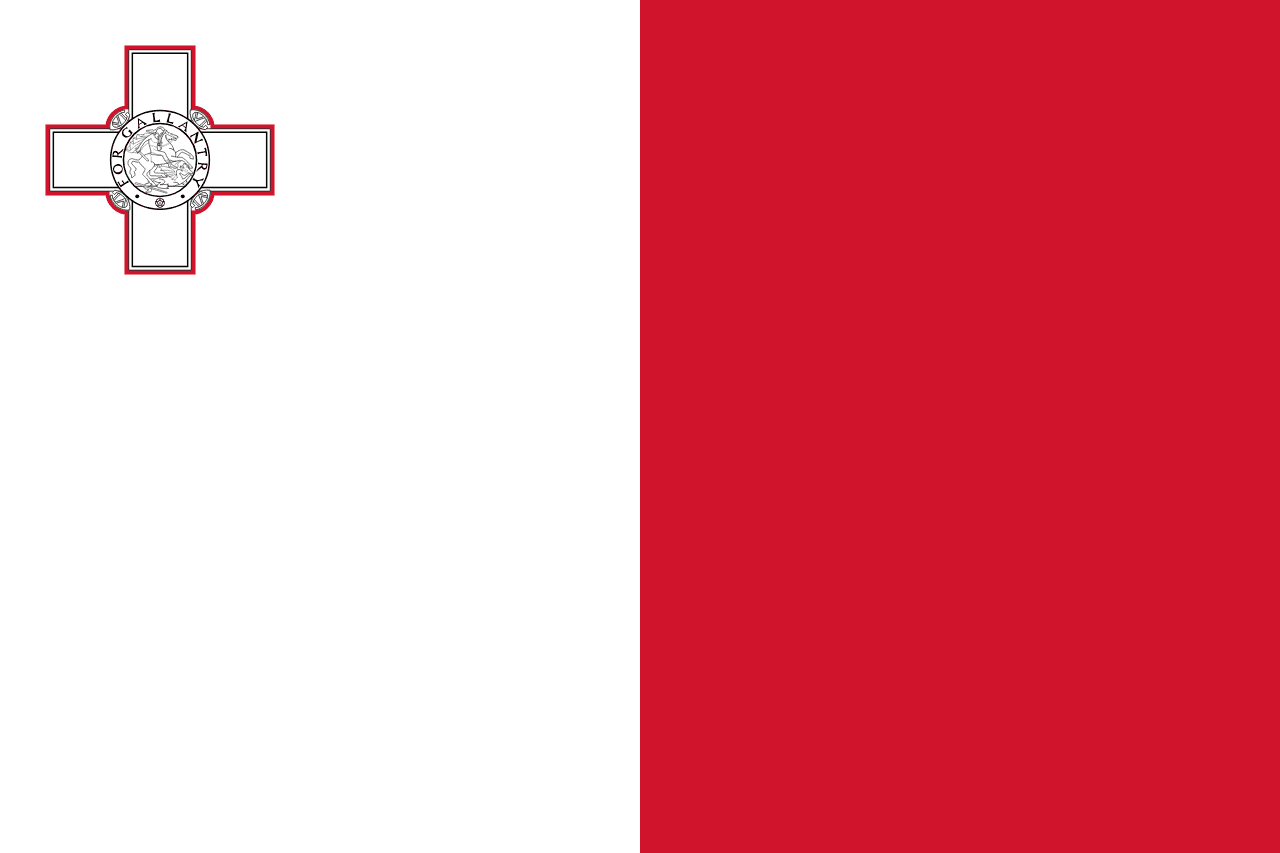
Malta is a small archipelago in the heart of the Mediterranean, south of Sicily and north of Libya, but its historical density rivals countries a hundred times its size. Three islands — Malta, Gozo, and Comino — pack 7,000 years of continuous human settlement into a landscape of golden limestone cliffs, ancient temples, baroque cities, and startlingly clear water.
The megalithic temples of Malta, built between 3600 and 2500 BCE, predate Stonehenge and the Egyptian pyramids, making them among the oldest freestanding stone structures in the world. Ggantija on Gozo and Hagar Qim on Malta's south coast are the most accessible, but the Hypogeum of Hal Saflieni — an underground temple complex carved entirely by hand into the rock over three millennia ago — is the most extraordinary. Its acoustics and carved chambers have never been fully explained by archaeologists.
Valletta, Malta's capital, is the smallest capital city in the EU and arguably the most historically concentrated. Built by the Knights of St. John after the Great Siege of 1565, when a small Maltese and Knight force held off a massive Ottoman invasion, Valletta's grid of streets contains baroque palaces, the Co-Cathedral of St. John (whose interior is entirely covered in inlaid marble tombstones and Caravaggio paintings), and fortifications that still astonish military historians.
The Three Cities — Vittoriosa, Senglea, and Cospicua — across the Grand Harbour from Valletta preserve a medieval atmosphere of narrow alleys, parish churches, and waterfront that feels largely unchanged from the Knights' era. The Grand Harbour itself, framed by these fortifications, is one of the most spectacular natural harbors in the world.
Gozo, Malta's smaller sister island, moves at a slower pace. The Citadella in Victoria, the walled hilltop capital, offers panoramic views across the island. The Azure Window collapsed in 2017, but Gozo's diving remains exceptional — the Inland Sea and Blue Hole are among the Mediterranean's best dive sites.
Maltese food reflects centuries of Arab, Norman, Spanish, and British influence. Pastizzi (flaky pastry filled with ricotta or mushy peas), rabbit stew, fresh lampuki fish, and honey rings called qaghaq tal-ghasel are local staples.
The best time to visit is April through June or September through November, avoiding the peak summer heat and crowds.