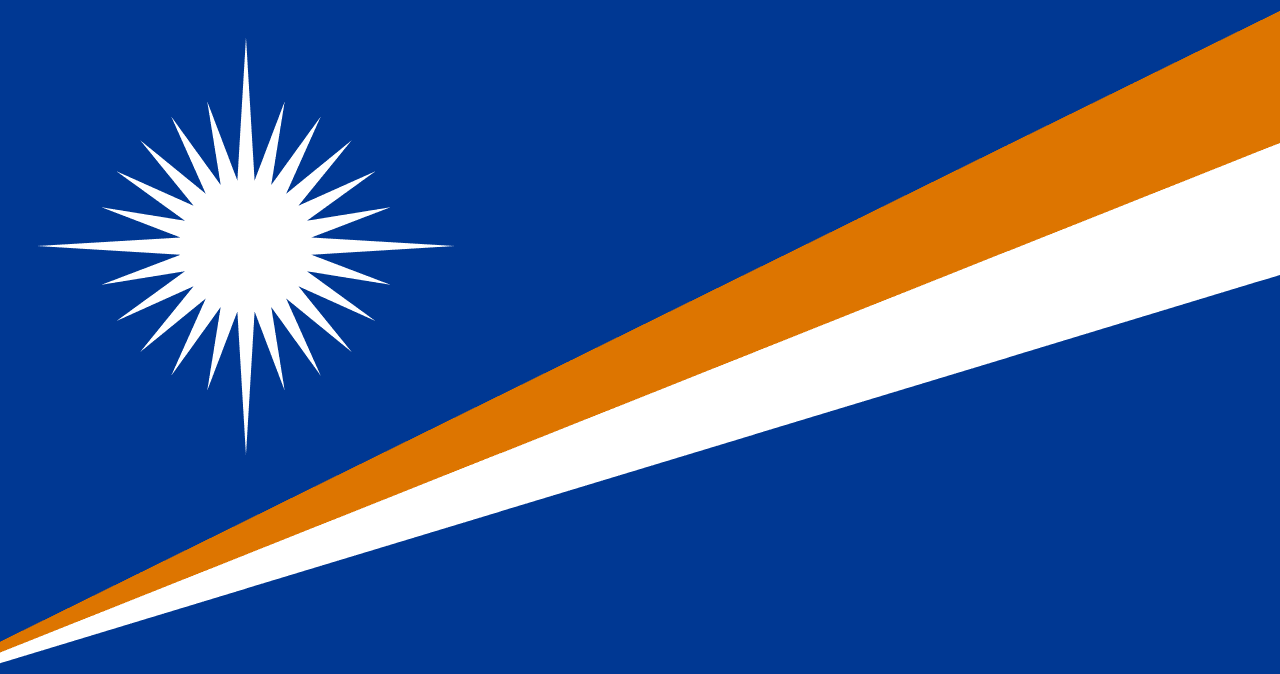
The History of Marshall Islands: From Ancient Times to Today
🌐 Translate:
# The History of Marshall Islands: From Ancient Times to Today
Nestled in the vast expanse of the Pacific Ocean, the Marshall Islands are a tapestry of vibrant culture and rich history, woven together by centuries of resilience and adaptation. This archipelago, comprising 29 atolls and 5 islands, has witnessed the ebb and flow of empires, colonial ambitions, and the indomitable spirit of its people. From ancient voyagers navigating the stars to modern-day challenges, the saga of the Marshall Islands is a tale of discovery, survival, and identity.
## Ancient/Indigenous History: Navigators of the Pacific
The history of the Marshall Islands begins long before the arrival of European explorers. The ancestors of the Marshallese people are believed to have settled in the islands over 2,000 years ago, driven by a spirit of exploration and a profound connection to the ocean. These early navigators were skilled seafarers, utilizing double-hulled canoes and an intimate understanding of the stars, ocean currents, and wind patterns to traverse the vast Pacific.
Oral traditions recount the voyages of these ancient mariners, who traveled across thousands of miles of open water, establishing a rich cultural heritage that revolved around communal living, respect for nature, and the significance of family ties. The traditional navigation methods, known as “wayfinding,” were not just practical skills; they were a spiritual practice, an art that connected the Marshallese to their ancestors and the cosmos.
## Major Empires and Kingdoms: The Rise of Local Power
Throughout their history, the Marshall Islands saw the rise of various chiefdoms and local leaders, each contributing to the unique governance and social structure of the islands. By the 19th century, the islands were organized into a series of atolls, each with its own local chief, or ‘rojen.’ These leaders wielded considerable influence, overseeing trade and resource management while maintaining harmonious relationships with neighboring atolls.
One significant aspect of Marshallese culture during this time was the practice of “bwij,” or communal work, where islanders came together to accomplish tasks such as building structures or fishing. This tradition fostered a sense of community, encouraging cooperation and collective resilience.
The arrival of European explorers in the 16th century marked a turning point in the islands’ history. The first recorded sighting came in 1526 when Spanish navigator Diego Silang discovered the islands. However, it wasn’t until the late 1700s that European influence began to take root more firmly. Whalers, traders, and missionaries arrived, each with their own agendas, often clashing with local customs and governance.
## Colonial Intrigue: The European Powers Make Their Mark
The late 19th century ushered in a new era of colonial interest in the Marshall Islands. In 1885, Germany claimed the islands as part of its Pacific territories, marking the beginning of a tumultuous period for the Marshallese people. The German administration focused on economic exploitation, especially in copra (dried coconut meat) production, which transformed the islands’ economy but often to the detriment of indigenous systems.
During this time, the Marshallese faced significant changes to their way of life. Traditional practices were challenged by foreign diseases, and local populations dwindled. However, the indomitable spirit of the Marshallese endured. They adapted their customs, integrating new aspects of foreign influence while striving to preserve their cultural identity.
World War I brought further upheaval as the Japanese seized control of the islands from Germany. The League of Nations later mandated Japan’s administration over the islands, which persisted until the end of World War II. The Japanese era was characterized by militarization and exploitation, with the islands serving as strategic locations during the conflict. The local population was often coerced into labor to support the Japanese military efforts.
## The American Era: A New Power on the Horizon
The end of World War II marked a seismic shift in the history of the Marshall Islands. After the war, the United States administered the islands under a United Nations trusteeship, initiating a period that would profoundly alter the trajectory of the Marshallese people. During this time, the U.S. conducted nuclear testing in the Marshall Islands, particularly at Bikini Atoll and Enewetak Atoll. Between 1946 and 1958, 67 nuclear tests were carried out, leading to devastating consequences for the environment and the health of the local population.
The testing created a legacy of displacement and trauma, as entire communities were relocated, and the ecology of the islands was severely impacted. Stories of the “Lucky Dragon,” a Japanese fishing vessel that accidentally sailed into the fallout of a nuclear test, underscored the global implications of these actions. The Marshallese were left grappling with the consequences of contamination, leading to long-term health issues and environmental degradation.
Despite the challenges, this period also saw a surge in political consciousness among the Marshallese. In 1979, after years of struggle, the Marshall Islands became self-governing under a Compact of Free Association with the United States. This agreement granted the islands a degree of autonomy while allowing the U.S. to maintain military presence in the region. The Compact has provided significant financial assistance but has also been a point of contention, as many Marshallese question the extent of true independence.
## Independence and Modern Formation: Building a Nation
The journey to full independence was a complex one. In 1986, the Marshall Islands officially became a sovereign nation, a moment celebrated with fervor and pride. The first president, Amata Kabua, played a pivotal role in navigating the challenges of nation-building, focusing on economic development, education, and healthcare. The Marshall Islands embraced its identity, promoting the revitalization of traditional practices and languages.
However, independence did not come without its challenges. The legacy of nuclear testing continued to haunt the islands. The U.S. government has provided some reparations, but many Marshallese feel that the compensation is insufficient, given the lasting impact of the tests. Additionally, the islands face pressing issues such as climate change, with rising sea levels threatening their very existence.
In recent years, the Marshall Islands have become vocal advocates on the global stage, raising awareness about the impacts of climate change and pushing for international action. As low-lying atolls, the islands are at the forefront of this existential crisis, and the Marshallese people's resilience shines through their advocacy efforts.
## The Country Today: A Tapestry of Tradition and Modernity
Today, the Marshall Islands are a unique blend of ancient traditions and contemporary influences. The Marshallese culture remains vibrant, with traditional dance, storytelling, and art flourishing alongside modern practices. The people take immense pride in their heritage, celebrating events like the annual “Bikini Atoll Day,” which honors the resilience of those affected by nuclear testing.
Education and healthcare have seen improvements, although challenges persist, particularly in rural areas. The Marshall Islands continue to work on diversifying their economy, with tourism becoming an increasingly important sector. Visitors are drawn to the stunning coral reefs, rich marine life, and vibrant culture, seeking to experience the beauty of the islands while contributing to the local economy.
As the world grapples with pressing environmental issues, the Marshall Islands stand as a testament to the power of hope and resistance. Their unique history, marked by struggle and triumph, serves as a reminder of the importance of preserving cultural identity in the face of adversity. The people of the Marshall Islands continue to navigate their future with strength and determination, holding fast to their traditions while embracing the possibilities of tomorrow.
## Conclusion
The history of the Marshall Islands is a saga of exploration, resilience, and renewal. From the ancient navigators who first settled the islands to the modern-day advocates confronting climate change, the Marshallese story is one of tenacity and hope. As they look forward to the future, they carry with them the wisdom of their ancestors, a legacy that shapes their identity in an ever-changing world. The Marshall Islands may be small, but their history is vast—a testament to the spirit of a people who have always found a way to sail through the storms of life.