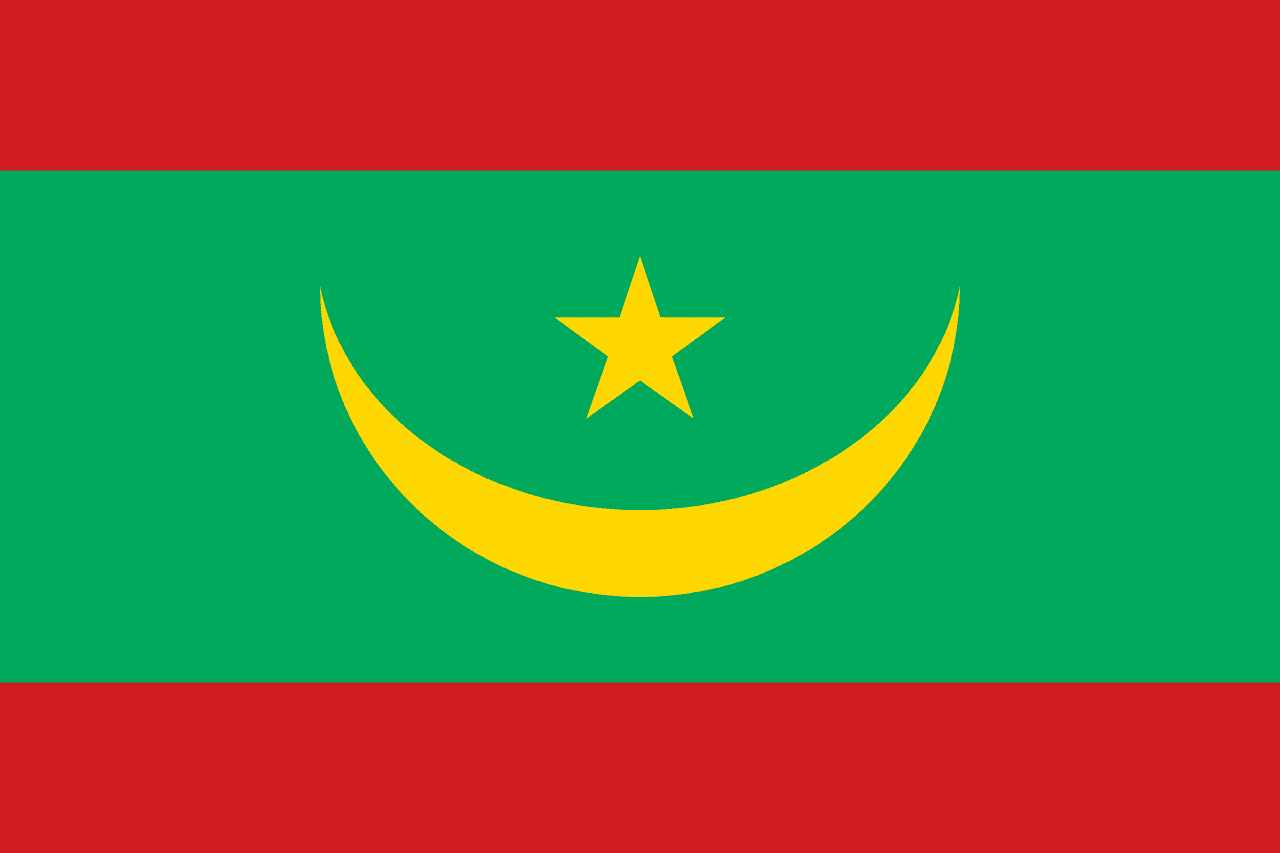
As I stepped foot in Mauritania, the stunning landscapes of vast deserts and coastline painted a picture that was both majestic and serene. But it was the culinary culture that truly captivated my senses, inviting me to explore the flavors and traditions that define this West African nation. Food in Mauritania is more than just sustenance; it’s an expression of hospitality, community, and a deep-rooted connection to the land and sea. Traveling through this country, I discovered an array of vibrant dishes, each telling its own story and showcasing the rich tapestry of influences from Berber, Arab, and African cultures. Here’s a journey through the ten must-try dishes that will tantalize your taste buds and immerse you in the heart of Mauritania’s culinary landscape.
First on the list is **thieboudienne**, a dish that embodies the spirit of Mauritania. Known as the national dish, thieboudienne consists of rice, fish, and a medley of vegetables, often including carrots, eggplant, and cassava. The fish—typically a local catch like bream or snapper—is marinated with a blend of spices, then cooked with the rice in a tomato-based sauce, infusing it with flavors that are both savory and slightly tangy. I enjoyed this dish in a bustling local eatery, where families gathered around large platters, sharing and bonding over this communal meal. The taste was rich and hearty, with the spices warming my palate, while the fish was tender and flaked beautifully. Thieboudienne is not just a meal; it’s a ritual that brings people together, often enjoyed on Fridays after the weekly prayers.
Next up is **maafe**, a comforting peanut stew that reflects the flavors of West Africa. This dish features meat—often chicken, lamb, or beef—slow-cooked in a luscious sauce made from ground peanuts, tomatoes, and a variety of vegetables. Its creamy texture and nutty flavor create a delightful balance, and the subtle spiciness keeps you coming back for more. I savored maafe while visiting a family home, where it was served with a side of rice or fufu, a starchy side that complements the richness of the stew. The warmth of the dish and the friendly atmosphere made for an unforgettable meal, steeped in the tradition of sharing and hospitality that is central to Mauritanian culture.
Another dish that caught my attention was **couscous**, a beloved staple across North Africa, but with a Mauritanian twist. Here, it’s often served with lamb or chicken, accompanied by a hearty vegetable broth. The couscous itself is fluffy and light, providing a perfect canvas for the robust flavors of the meat and spices. I enjoyed this dish in a vibrant market in Nouakchott, where vendors prepared it fresh, their stalls overflowing with colorful ingredients. The first bite was a burst of flavor—savory, slightly spicy, and comforting, with the vegetables adding a delightful crunch. Couscous is often reserved for special occasions, a symbol of celebration and community, and I felt fortunate to partake in such a cherished meal.
Next on my culinary adventure was **lakh**. This traditional Mauritanian dish is a kind of porridge made from millet or sorghum, served with a drizzle of sweet date syrup. The texture is smooth and creamy, while the sweetness of the dates adds a comforting dimension to the dish. I had the pleasure of trying lakh at a breakfast gathering, where it was enjoyed alongside freshly baked bread and mint tea. The simplicity of the dish highlights the importance of grains in Mauritanian cuisine, and it was a delightful way to start the day, nourishing both body and spirit.
One cannot visit Mauritania without indulging in **shebka**, a dish that showcases the local seafood bounty. Shebka consists of small fish, typically fried until crispy and then tossed with a delectable sauce of tomatoes, garlic, and spices. It’s often served with a side of rice or bread, making it a satisfying meal at any time of day. I discovered this dish at a coastal restaurant in Nouadhibou, where the ocean breeze accompanied the aromas wafting from the kitchen. The fish was perfectly seasoned and had a delightful crunch on the outside, with the sauce providing a burst of flavor. Eating shebka felt like a celebration of the sea, an homage to the fishermen who bring in fresh catches every day.
Another treat I encountered was **broula**, a hearty stew made from a variety of meats and vegetables. The ingredients are stewed together until tender, resulting in a flavorful broth that’s perfect for scooping up with bread. The blend of spices, including cumin and coriander, adds depth to the dish, and each bite is an experience of warmth and comfort. I tried broula at a family gathering, where it was served with laughter and stories shared around the table. The communal aspect of the meal, with everyone contributing to the preparation, made it feel like a true celebration of family and tradition.
As I continued my culinary exploration, I stumbled upon **mhadjeb**, a popular street food that I couldn’t resist. These savory crepes are filled with a mixture of vegetables and spices, then cooked until crispy. The first bite was a delightful combination of textures and flavors, with the filling bursting forth with each chew. I found mhadjeb being sold from a food stall in a busy market, where locals lined up to grab their delicious snacks. It’s a perfect on-the-go meal, often enjoyed during lunch or as a quick bite while exploring the city. The vibrant atmosphere of the market added to the experience, making mhadjeb a must-try for anyone visiting Mauritania.
Another fascinating culinary delight is **tebbouleh**, a refreshing salad made with bulgur wheat, parsley, tomatoes, and a drizzle of olive oil and lemon juice. While this dish has Middle Eastern origins, it has found a place in Mauritanian cuisine, often served as a side dish during meals. The freshness of the ingredients and the zesty dressing create a vibrant burst of flavors that balances the heartier dishes on the table. I enjoyed tebbouleh at a local restaurant, where it was beautifully presented, inviting me to take a moment to appreciate the colors and textures before digging in. It’s a great reminder of the diverse influences that shape Mauritanian food, showcasing how cultures blend and evolve.
Finally, I couldn’t leave Mauritania without trying **harira**, a flavorful soup typically consumed during Ramadan, though it can be enjoyed year-round. This hearty soup is made with tomatoes, lentils, chickpeas, and a variety of spices, resulting in a dish that is both nourishing and comforting. The aroma alone was inviting, and as I sat down for a bowl, I was enveloped in the warmth and richness of the flavors. I found harira in a cozy restaurant known for its traditional dishes, where the atmosphere was filled with laughter and conversation. Sharing this dish during a meal reminded me of the importance of community, especially during special occasions, and it was a perfect way to cap off my culinary journey in Mauritania.
As I reflect on my time in this beautiful country, I can’t help but feel a deep appreciation for the culinary experiences I encountered. From bustling markets to family gatherings, each meal was a celebration of flavor, tradition, and community. If you’re planning a visit to Mauritania, make sure to explore its vibrant food scene. You’ll find the best dishes at local markets, where vendors proudly display their culinary creations, as well as at street stalls where you can sample snacks like mhadjeb. Restaurants throughout the major cities offer a chance to indulge in traditional meals, often served in a warm and welcoming atmosphere that embodies the spirit of Mauritanian hospitality. So, prepare your taste buds for an unforgettable culinary adventure in Mauritania, where every bite tells a story.