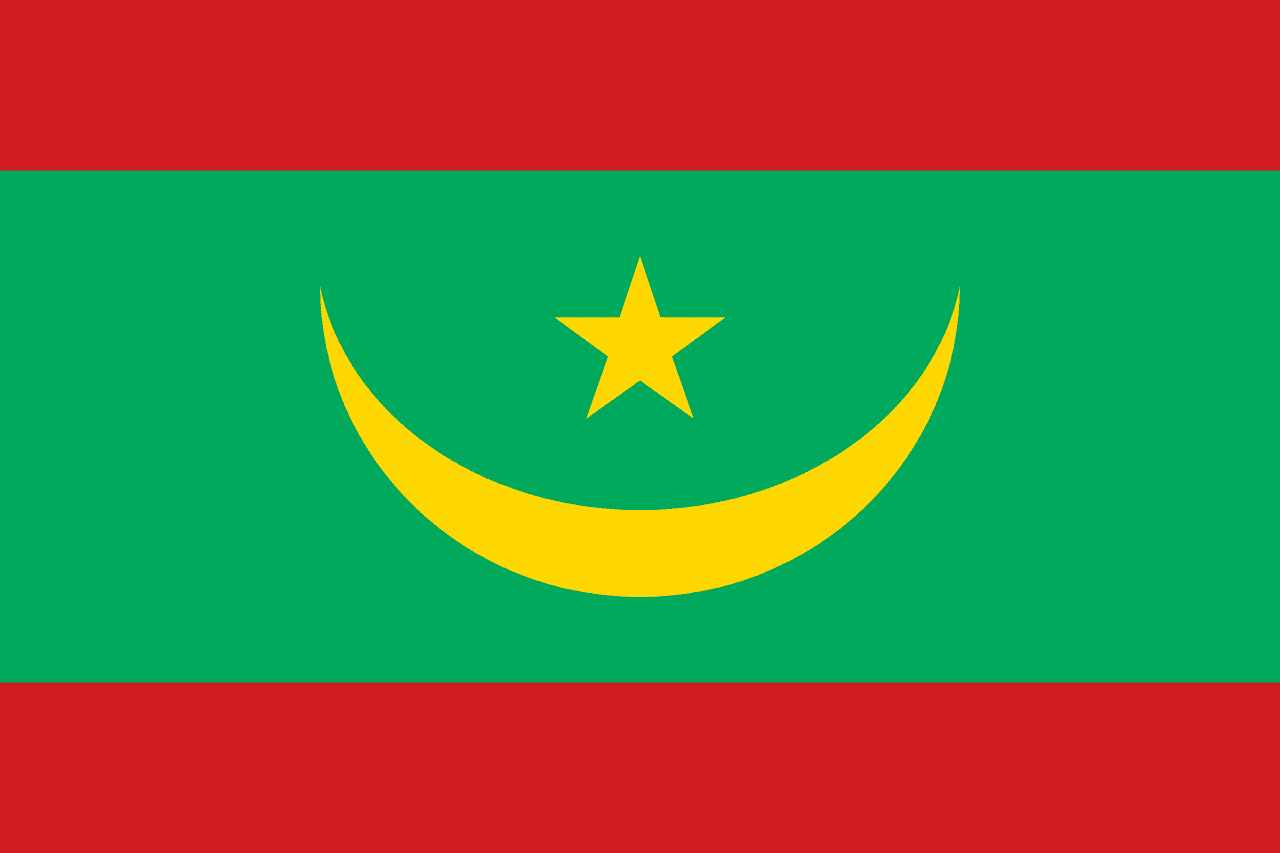
The History of Mauritania: From Ancient Times to Today
🌐 Translate:
# The History of Mauritania: From Ancient Times to Today
Nestled between the vast expanses of the Sahara Desert and the Atlantic Ocean, Mauritania is a country steeped in rich history, vibrant cultures, and diverse landscapes. Its story unfolds over millennia, marked by the rise and fall of empires, colonial pursuits, and the struggles for independence. This journey traverses from ancient indigenous tribes to contemporary challenges, each chapter revealing the indomitable spirit of the Mauritanian people.
## Ancient and Indigenous History
Long before the advent of written records, the territory of present-day Mauritania was inhabited by various indigenous groups. The earliest evidence of human settlement dates back to the prehistoric era, with archaeological findings, such as ancient rock engravings, revealing the lives of pastoralists who roamed the region. These engravings depict scenes of hunting and everyday life, giving us a glimpse into the world of the early inhabitants.
As the centuries progressed, the Berbers emerged as a dominant force in this region. They established a rich tapestry of cultures and languages influenced by their interactions with neighboring African and Arab tribes. The Berber tribes, notably the Sanhaja, played a vital role as traders and facilitators in trans-Saharan trade routes, which connected sub-Saharan Africa to the Mediterranean.
## The Rise of Empires and Kingdoms
By the 8th century, Mauritania began to witness the rise of powerful kingdoms. The Kingdom of Awdaghost became a significant player in the trans-Saharan trade, dealing in gold, salt, and slaves. Amidst this burgeoning trade, the region became a melting pot of cultures, as traders and travelers from across the Sahara mingled and exchanged ideas.
One of the most notable historical figures during this era was the legendary King Ghâlî, who allegedly united various clans and tribes under a single banner, fostering a strong sense of identity and community. The kingdom’s capital, Awdaghost, became a vital hub for scholars and merchants, drawing people from far and wide, including notable Muslim scholars who came to spread the teachings of Islam.
As Islam swept across North Africa in the 7th century, its influence permeated Mauritania. By the 11th century, the local population had largely converted to Islam, leading to the rise of the Almoravid dynasty. This powerful Islamic movement not only unified the tribes but also expanded its reach into Spain and beyond, marking Mauritania as a pivotal center of Islamic scholarship and culture.
## Colonial Encounters
The age of exploration brought about significant changes in Mauritania. European powers, particularly the French, turned their attention to West Africa in the 19th century, drawn by the region’s resources and strategic position. The French established control over parts of Mauritania in the 1900s, eventually solidifying their dominance through a series of military campaigns.
Colonization brought drastic changes to the social fabric of Mauritania. The imposition of colonial rule disrupted local governance structures and traditional ways of life. The French introduced new economic policies that often prioritized their interests, creating tensions with the indigenous population. Despite these challenges, the Mauritanian resilience shone through. Many local leaders attempted to resist colonial rule, leading to a series of uprisings and negotiations.
Among the prominent figures during this period was the nationalist leader and intellectual, Karamoko Alpha, who advocated for the rights of the Mauritanian people. He became a symbol of resistance against colonial oppression, rallying support for a united front against the French.
## The Road to Independence
As the mid-20th century approached, the winds of change began to blow across Africa. The wave of decolonization inspired Mauritanians to envision a future free from colonial rule. The formation of political parties and movements fueled aspirations for self-governance and social justice.
In 1958, Mauritania took a significant step towards independence by becoming an autonomous republic within the French Community. This marked a turning point in the nation’s history, as it provided an opportunity for the Mauritanian people to shape their destiny. The first elected president, Moktar Ould Daddah, emerged as a key figure in this foundational period. His leadership was instrumental in guiding the nation through the challenges of post-colonial governance.
On November 28, 1960, Mauritania formally declared independence from France, marking the end of colonial rule. The nation celebrated with fervor, but the path ahead was fraught with challenges. The newly formed government faced the daunting task of nation-building, managing diverse ethnic groups, and addressing economic disparities.
## Modern Formation and Challenges
Independent Mauritania found itself in a complex geopolitical landscape, navigating relationships with neighboring countries while addressing internal divisions. The country’s population is a mosaic of ethnic groups, primarily consisting of Arabs (Moors) and various sub-Saharan African communities, including the Wolof and Soninke. Balancing these diverse identities became a pivotal issue for the government.
In the 1970s, Mauritania’s economy faced turbulence, primarily due to drought and fluctuations in global commodity prices. The government struggled to provide for its citizens, and discontent brewed among the population. This unrest culminated in a coup in 1978, leading to a succession of military regimes and political instability.
One of the most notable figures during this tumultuous period was Colonel Mohamed Khouna Ould Haidallah, who became president following the coup. His administration introduced some progressive reforms, including land redistribution and attempts to address issues of social justice. However, the political landscape remained volatile, marked by coups and counter-coups.
The 1980s and 1990s saw the rise of new challenges, including ethnic tensions and human rights violations. The slave trade, though officially abolished, persisted in various forms. Activists and organizations fought tirelessly to combat these injustices, leading to the formation of the first anti-slavery movement in the country.
## The 21st Century: Progress and Resilience
As Mauritania entered the 21st century, the country underwent a series of democratic transitions, albeit with challenges. In 2005, a coup led by Colonel Ely Ould Mohamed Vall resulted in a return to civilian rule, marked by elections and reforms aimed at promoting democracy. The nation faced ongoing issues of poverty, unemployment, and security threats from extremist groups in the Sahel region.
Nevertheless, Mauritania made strides in various sectors, including education, healthcare, and infrastructure. The country’s abundant natural resources, particularly iron ore, became a significant driver of economic growth. Yet, challenges remained, with social inequalities and environmental concerns exacerbated by climate change.
In recent years, Mauritania has gained international recognition for its efforts to combat human trafficking and modern slavery. Activists, including prominent figures like Boubacar Ould Messaoud, have worked tirelessly to raise awareness and advocate for the rights of marginalized communities.
Today, Mauritania is a complex tapestry of cultures, traditions, and aspirations. The nation celebrates its rich heritage through vibrant festivals, art, and music, showcasing the diversity that defines its identity. The Mauritanian people continue to navigate the challenges of the modern world, striving for a future that honors their past while embracing the promise of tomorrow.
## Conclusion
The history of Mauritania is a testament to the resilience and determination of its people. From the ancient kingdoms that thrived amidst the sands of the Sahara to the struggles for independence and modern governance, each chapter reflects the complexities of a nation shaped by its geographic and cultural heritage. As Mauritania moves forward in an ever-changing global landscape, it does so with a profound sense of identity, rooted in its rich history and the unwavering spirit of its people. The story of Mauritania is far from over; it is a narrative of hope, resilience, and the quest for a brighter future.