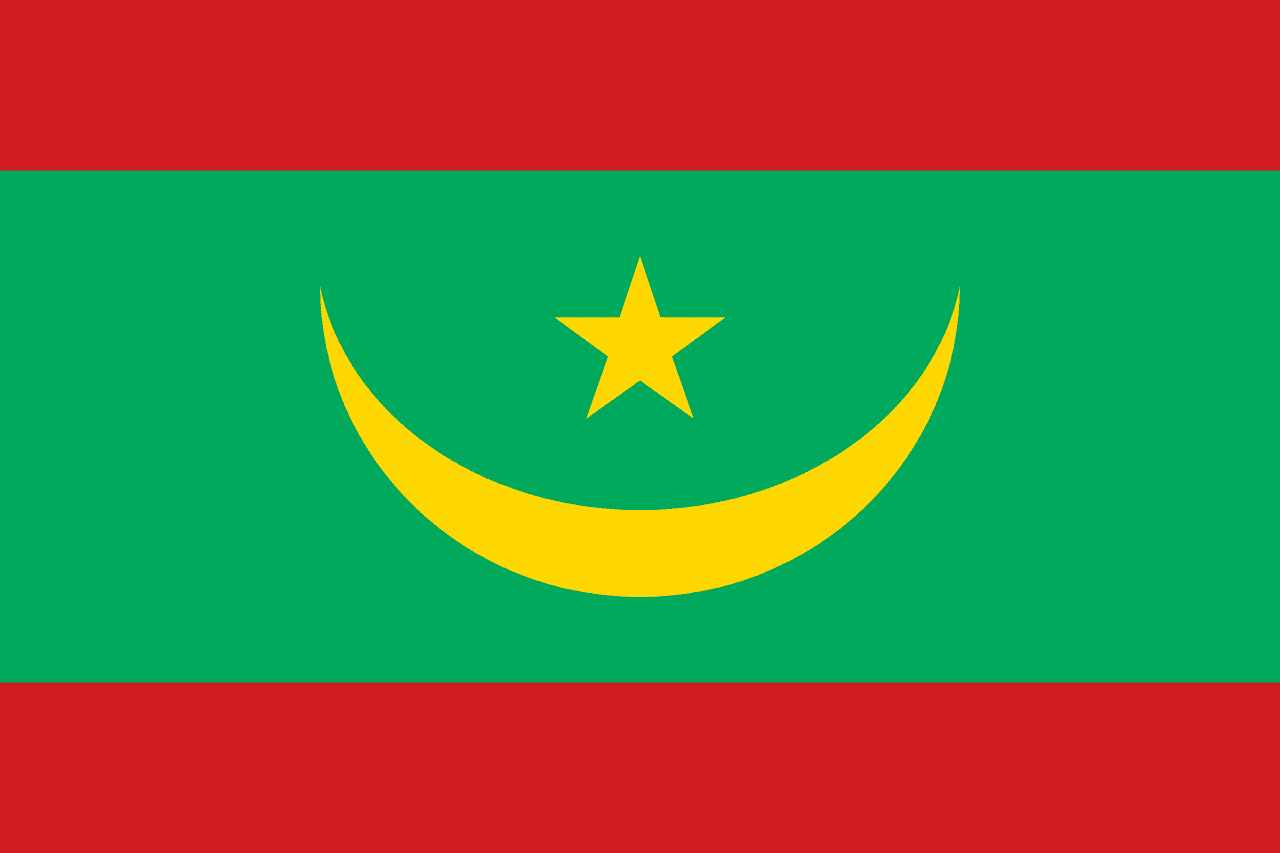
Living in Mauritania is a tapestry woven from rich traditions, unsung beauty, and the everyday realities that shape the lives of its people. Having called this North African land home for several years, I’ve come to appreciate the intricacies of daily life here—where the vastness of the Sahara meets the rhythms of bustling markets, and where every sunrise brings the promise of warmth, both in climate and in community.
The day in Mauritania often begins early, with the sun casting its first golden rays over the expansive sands. In cities like Nouakchott, the capital, the morning air is filled with a medley of sounds: the distant call to prayer from mosques, the soft chatter of families waking up, and the clatter of vendors setting up their stalls. By 6 AM, the streets begin to stir. Locals often start their day with a traditional breakfast of "pain," a local bread that’s crusty on the outside and soft on the inside, paired with "thé à la menthe," a mint tea that’s sweet enough to bring a smile to anyone's face. You can grab breakfast at a small café for around 100 ouguiyas (about $0.30), which is an affordable start to the day.
As the sun climbs higher, the cost of living in Mauritania becomes a significant factor in daily life. While the prices of goods and services can be surprisingly low compared to Western standards, the economy can be challenging for many. A liter of milk costs around 300 ouguiyas ($0.85), and a kilogram of rice is approximately 400 ouguiyas ($1.15). However, wages can be modest; many locals find themselves navigating a balance between low-income jobs and the rising costs of basic necessities. The disparity between urban and rural areas is stark, with the latter often facing greater economic challenges and limited access to services.
Food culture in Mauritania is a vibrant affair that reflects the nation’s diverse heritage. Meals are often communal, a deep-rooted tradition that fosters a strong sense of community. The staple dish is "couscous," made from semolina and typically served with a rich vegetable stew or meat. On special occasions, "mechoui," which is whole roasted lamb, becomes the star of the feast. The ritual of sharing meals is not just about sustenance; it’s a way of bonding. One of my favorite memories is sharing a massive platter of "tagine" with friends, where the joy was as much about the flavors as it was about the laughter and stories exchanged over the meal.
As for social customs, Mauritania is a land steeped in tradition. Greetings are fundamental, and a simple "Salam Alaikum" (peace be upon you) can lead to a lengthy conversation. The culture places a premium on hospitality, and it’s not uncommon for strangers to invite you into their homes for tea. Family ties are strong, and it’s not unusual to see extended families living together, sharing responsibilities, and supporting each other. Respect for elders is deeply ingrained, and you’ll often hear phrases like "Ahlan wa sahlan" (welcome) or "Kif halak?" (how are you?) in everyday interactions.
Family life is characterized by its communal nature. Families often gather in the evenings to share stories, play games, or simply enjoy each other's company. Children have a vital role in the family structure, and you'll find them playing in the streets, flying kites, or engaged in soccer games. Education is highly valued, although challenges such as limited resources and varying levels of access remain. Parents often make sacrifices to ensure their children receive a good education, reflecting a universal hope for a brighter future.
Work culture in Mauritania can be a mixed bag. The formal job market is dominated by the public sector, with many people employed in government positions. However, private sector jobs are gradually increasing. Entrepreneurs are beginning to emerge, particularly in the fields of technology and agriculture, driven by a youthful population eager for change. A typical workday starts around 8 AM and can extend until 5 PM, with a long lunch break that allows for rest during the hottest part of the day. The pace can be relaxed, and relationships often take precedence over deadlines, which can be both frustrating and charming for those from more fast-paced cultures.
Weekends in Mauritania are often a time for family and relaxation. Fridays hold special significance as the Islamic day of prayer. Many people spend the day at mosques, reflecting and connecting spiritually, while the evenings are filled with family gatherings or visits to friends. Saturdays are more casual, with families enjoying picnics at the beach along the Atlantic coast or taking leisurely drives into the desert. The sunsets over the dunes are breathtaking, casting a magical glow that invites contemplation and camaraderie.
The weather in Mauritania plays a crucial role in shaping life here. The country experiences a harsh desert climate, with scorching summers and mild winters. From May to September, temperatures can soar above 40°C (104°F), making outdoor activities intense and often limited to the cooler hours of the day. During this time, people adjust their schedules, rising early or staying out late to avoid the heat. The winter months, from November to February, bring a welcome respite, with cooler temperatures that allow for greater outdoor engagement.
Living in Mauritania does come with its challenges. The infrastructure, particularly in rural areas, can be underdeveloped. Public transport is often unreliable, and roads can be rough, making travel a test of patience. Additionally, access to healthcare can be limited, especially outside of urban centers. However, the camaraderie among locals creates a support system that helps navigate these hurdles. People look out for each other, and community bonds are often stronger than the obstacles faced.
Yet, the positives of living in Mauritania are numerous. The landscape is stunning, with vast deserts, beautiful beaches, and dramatic sunsets that steal your breath away. The culture is deeply rooted in history, with traditions that span centuries. The warmth of the people is unparalleled; whether you’re a visitor or a resident, you will find kindness and generosity that leave a lasting impression.
Foreigners often find themselves surprised by the sense of tranquility that pervades many aspects of life in Mauritania. Despite the challenges, there’s a rhythm to daily life here that is almost meditative. The slower pace can be disconcerting for those accustomed to the frenetic energy of urban life elsewhere, yet it offers a chance to appreciate the little things—a shared smile, the beauty of a sunset, the taste of a well-cooked meal. Additionally, many visitors are taken aback by the country’s stunning landscapes—from the rolling dunes of the Sahara to the rich biodiversity along the coast—which serve as constant reminders of the natural beauty that surrounds daily life.
In conclusion, living in Mauritania is a complex yet fulfilling experience. The blend of tradition and modernity, the warmth of the people, and the rich cultural tapestry make it a unique place to call home. As I reflect on my time here, I cherish the memories of laughter shared over meals, the friendships forged in the face of adversity, and the breathtaking landscapes that remind us of the beauty in simplicity. For those willing to embrace its rhythms and challenges, Mauritania offers a life that is both grounded in tradition and open to possibility—a true adventure waiting to unfold at every corner.