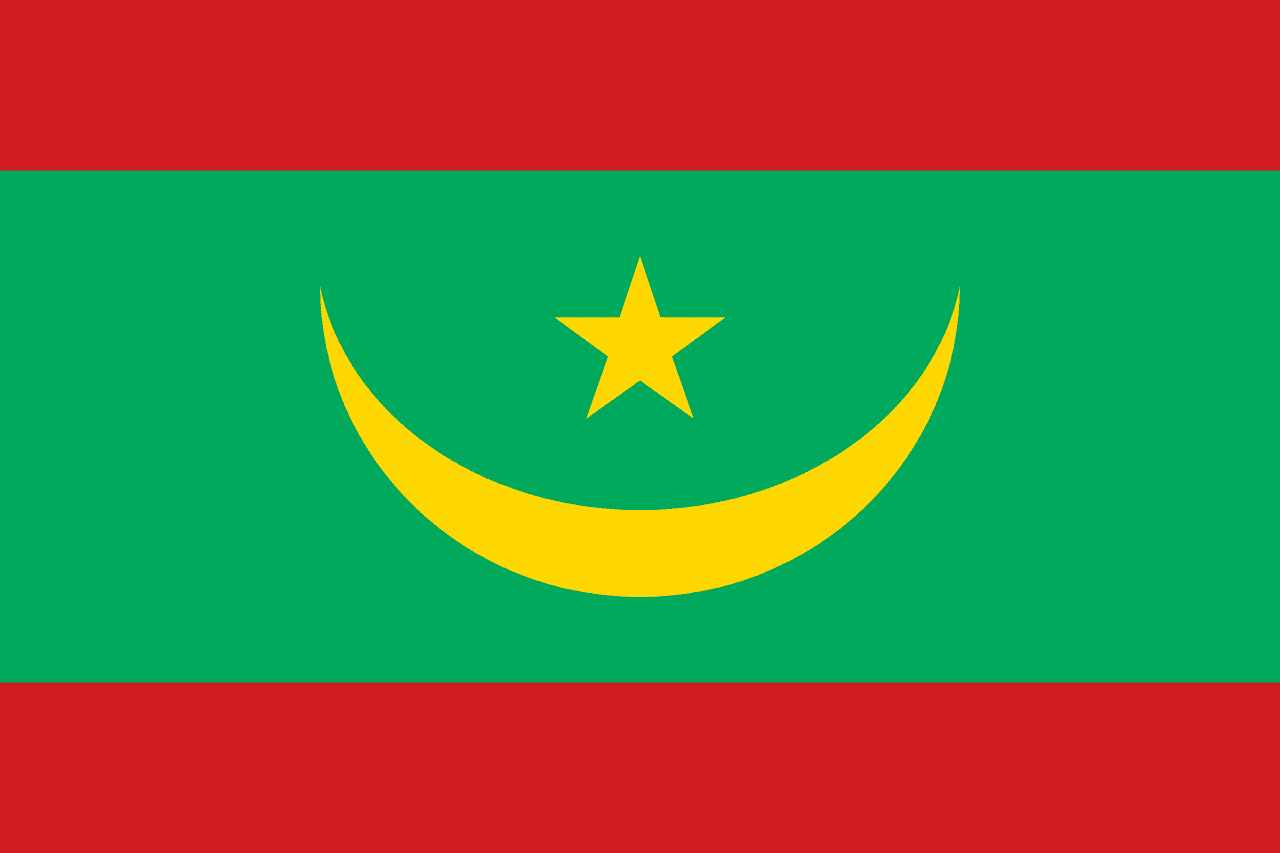
Mauritania is a vast, largely desert country in northwest Africa, where the Sahara meets the Atlantic Ocean in one of the continent's most dramatic landscapes. It is one of Africa's least-visited countries, but for travelers willing to venture into its remote expanses, it offers ancient cities, extraordinary desert scenery, and a West African coastal ecology of remarkable richness.
Nouadhibou Bay, on the Atlantic coast, is home to one of the world's largest ship graveyards — dozens of rusting hulks beached along the shoreline, relics of fishing agreements gone wrong and vessels abandoned over decades. It is one of the most surreal industrial landscapes on Earth. The same coast is rich in marine life: the Banc d'Arguin National Park, a UNESCO World Heritage Site, protects shallow waters that serve as breeding grounds for millions of migratory birds. Every winter, vast flocks of flamingos, pelicans, terns, and waders feed on the abundant fish in the lagoons here — one of the great ornithological spectacles of the world.
Chinguetti, once the seventh holiest city in Islam and a major gathering point for West African pilgrims heading to Mecca, is now half-swallowed by sand dunes. Its ancient Friday mosque, with a distinctive ostrich-egg tower, still rises above the encroaching desert. The city's ancient libraries, like those of Timbuktu, contain thousands of manuscripts on Islamic theology, astronomy, and history. Walking the narrow lanes of Chinguetti as dunes lap at abandoned houses is both beautiful and deeply melancholy.
The iron ore train between Nouadhibou and Zouerate is one of the world's great railway experiences by any measure — the train can stretch over two kilometers long and passengers often ride on top of the ore wagons beneath an ocean of stars. The journey takes 12 to 18 hours through absolute desert and is entirely unlike any other train journey in the world.
Mauritanian food reflects its nomadic Moorish heritage: mechoui (whole roasted lamb), thiéboudienne (borrowed from Senegal — rice and fish), dates, camel milk, and the omnipresent Chinese green tea served in three progressively sweetened rounds.
The best time to visit is November through February, when temperatures drop from extreme heat to manageable warmth. The country remains challenging logistically but rewards those who come.