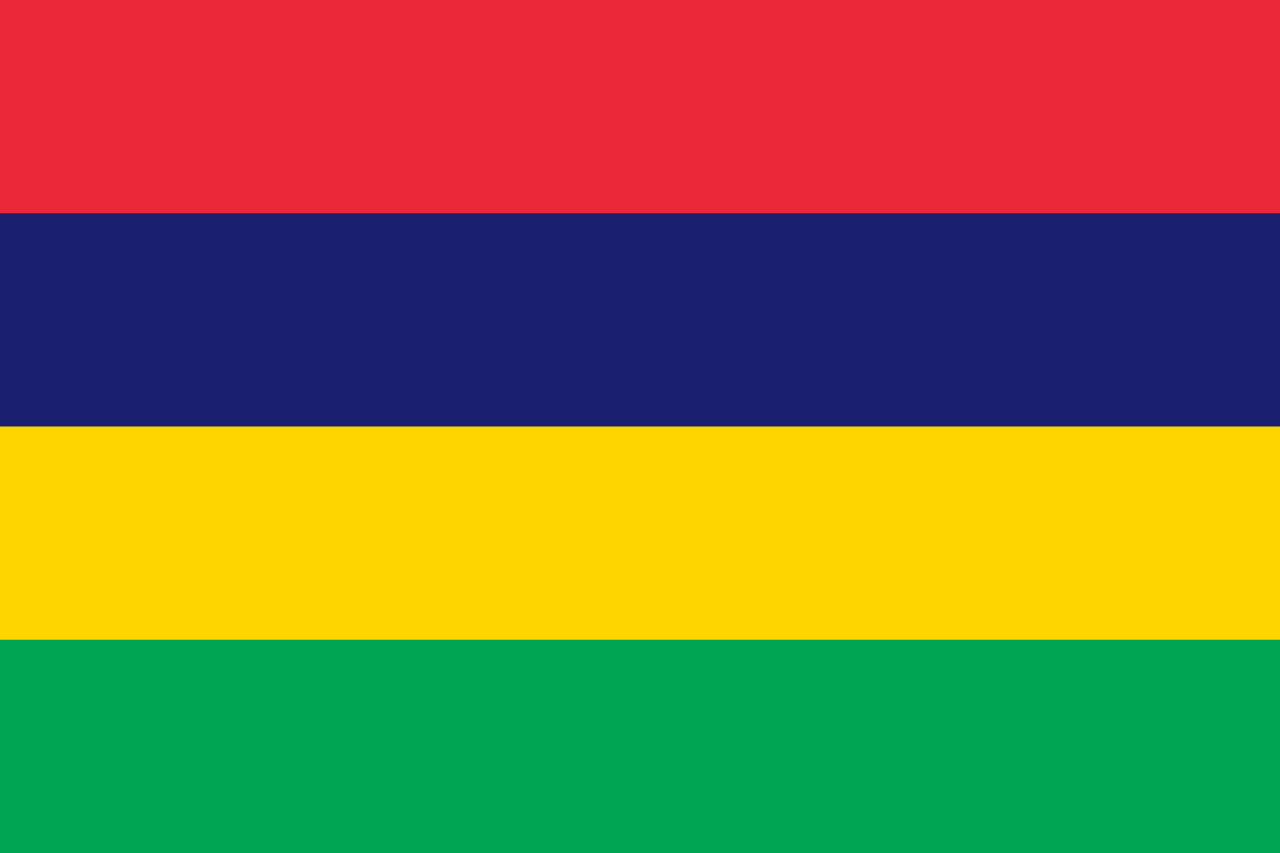
Living in Mauritius feels like stepping into a vibrant tapestry of cultures, colors, and flavors that weave together to create a unique everyday life. From the moment you wake up to the sounds of birds chirping and the distant waves crashing on the shore, you realize that each day presents a new opportunity to experience the beauty and diversity of this island nation.
Morning routines here often start leisurely. Many locals rise early to enjoy the cool, fresh air before the day heats up. A typical breakfast might include a warm, flaky pastry called a "dholl puri," made of lentils and served with various chutneys, or a simple bowl of "cereal" with fresh fruit. As I sipped my morning tea, I was greeted by neighbors exchanging warm “Bonjour!” or “Sak pase?” (How’s it going?). The laid-back pace of life is palpable, and it’s this friendliness that makes you feel at home.
Life in Mauritius is relatively affordable, especially when compared to many Western countries. While the average salary is lower than in developed nations, the cost of living is manageable for most residents. Rent for a modest apartment in the capital, Port Louis, averages around MUR 15,000 (about $350) per month, while a more luxurious option might set you back MUR 30,000 (about $700). However, if you venture outside the city, you can find beautiful homes in quieter areas for even less. Utility bills are quite reasonable, with electricity and water costing around MUR 3,500 ($80) combined for a small household.
When it comes to food, Mauritius is a culinary paradise. The island’s multicultural heritage is reflected in the diverse offerings available. You’ll find Indian, Chinese, Creole, and French influences in nearly every dish. For lunch, it’s common for locals to indulge in a "cari," a flavorful curry that can include chicken, fish, or vegetables, served with rice and a side of "rougaille" (a tomato-based sauce). Street food is also a staple; for just MUR 50 ($1.20), you can enjoy a plate of "gateaux piments" (spicy lentil cakes) or a "boulettes" (dumplings) from a vendor on the street.
Social customs in Mauritius are deeply rooted in respect and community. Greeting someone is essential, and it’s not uncommon for people to spend a few minutes chatting, regardless of how busy they may be. The phrase “Enkor enn ti pe?” (Can I have a little more?) is often used when someone is offering food, demonstrating the island's culture of sharing and hospitality. Family is at the heart of Mauritian life, and gatherings are frequent, especially on weekends. Sunday lunches are a time for families to come together to enjoy a hearty meal, often featuring multiple dishes that reflect the island's rich culinary heritage.
Work culture in Mauritius tends to be a mix of traditional and modern influences. The typical workweek runs from Monday to Friday, with Saturday often reserved for personal activities and family time. Many jobs in the tourism and hospitality sectors require flexibility, as peak seasons demand longer hours. French and English are both widely spoken in the workplace, and it’s common for colleagues to mix casual phrases with their professional conversations. I found it refreshing how my coworkers often took the time to ask about each other's families or weekend plans; it created a sense of camaraderie that is sometimes missing in more fast-paced work environments.
As the weekend rolls around, locals engage in a variety of activities. Saturdays are often spent at the beach, enjoying the sun and sea with friends and family. Popular spots like Flic en Flac and Belle Mare are bustling with life, where you can see families setting up barbecues, playing beach volleyball, or simply lounging under the palm trees. Many locals also take this time to participate in community events, such as beach clean-ups or cultural festivals, which highlight the island’s rich heritage.
The weather in Mauritius plays a significant role in shaping daily life. The island enjoys a tropical climate, with warm temperatures year-round. The summer months, from November to April, can be quite humid, with temperatures often exceeding 30°C (86°F). The winter months, from June to September, are cooler and more temperate, averaging around 20°C (68°F). Rain is common, particularly during the summer, leading to lush landscapes and vibrant flora. This weather allows for outdoor activities year-round and contributes to a generally positive and relaxed outlook on life among the locals.
Of course, living in Mauritius isn’t without its challenges. One of the most significant issues is the disparity in wealth. While many enjoy a comfortable lifestyle, others struggle to make ends meet, and the divide can be stark, particularly in urban areas. Traffic congestion in Port Louis can be frustrating, especially during rush hours. The infrastructure is improving, but it still requires upgrades to accommodate the growing population and tourism industry. Additionally, while healthcare is accessible, the quality can vary significantly, and many locals opt for private healthcare when possible.
Despite these challenges, living in Mauritius offers a wealth of positives. The sense of community is palpable, and the support networks among residents are strong. The island’s stunning natural beauty is a constant reminder of the simple pleasures in life — from breathtaking sunsets to the sound of waves lapping on the shore. Moreover, the blend of cultures creates a fascinating, rich tapestry that is reflected in the island's traditions, festivals, and daily interactions. Events like the Thaipoosam Cavadee festival or the Chinese New Year are celebrated with enthusiasm, showcasing the island’s diversity and unity.
As a foreigner living in Mauritius, you quickly learn to embrace the quirks of island life. One thing that surprised me the most was how time seems to flow differently here. While punctuality is valued in many cultures, here, it’s often more about the experience than the clock. “Mauritius time” is a phrase you’ll hear often, and it embodies the laid-back approach to life. It took me some time to adjust, but now I find joy in the spontaneity it brings.
Moreover, the warmth of the people is unlike anything I’ve experienced before. You can strike up a conversation with a stranger at the market, and before you know it, you’re being invited to their home for tea or a meal. This hospitality fosters a genuine connection that makes living here feel like being part of a larger family.
In conclusion, everyday life in Mauritius is an enchanting blend of work, play, and community. The island may pose its challenges, but the positives far outweigh them. From the delicious food to the stunning landscapes and the warmth of the people, each day presents an opportunity to engage with a culture that is as rich and vibrant as the island itself. Living here is not just about the beautiful scenery; it’s about the experiences and connections that make life truly special. Whether you’re strolling through a local market, enjoying lunch with friends, or simply taking in the view from your porch, Mauritius has a way of captivating your heart and inviting you to slow down and savor each moment.