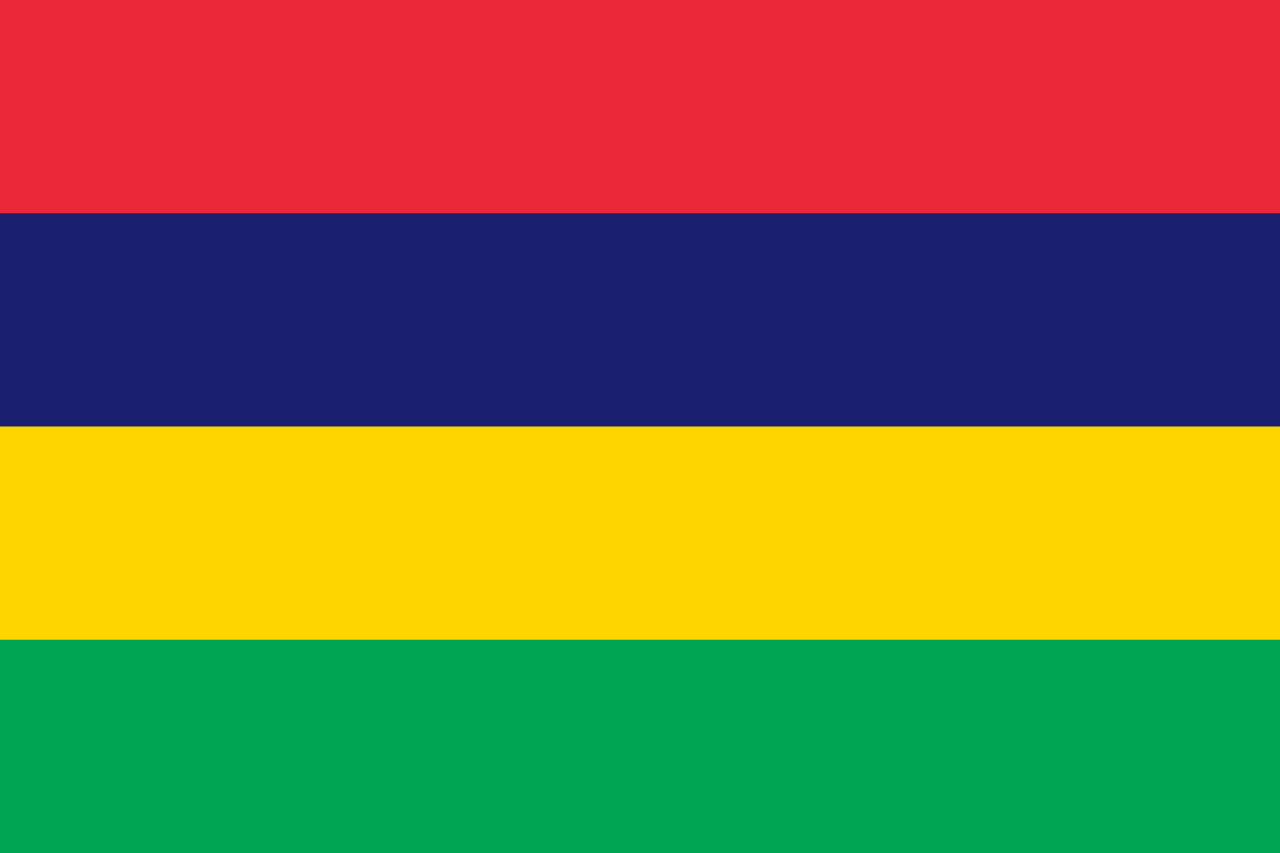
Mauritius is a volcanic island nation in the southwestern Indian Ocean, about 2,000 kilometers off the east coast of Madagascar. Famous for its beaches and luxury resorts, it is also a country of surprising depth — volcanic mountains rising from the interior, a unique multicultural society, extraordinary endemic wildlife, and a history that spans the spice trade, slavery, and successive European colonial powers.
The island's interior is dominated by the Black River Gorges National Park, a rugged highland of dense endemic forest sheltering some of the world's rarest birds. The Mauritius kestrel, once reduced to just four individuals in the 1970s and now recovered to hundreds through one of conservation's greatest success stories, can still be spotted hunting in the gorges. The echo parakeet, the pink pigeon, and the Mauritius fody are other endemic species clinging to survival in these forests. The Gorges viewpoint offers one of the island's most dramatic panoramas.
Le Morne Brabant, a basaltic monolith rising from the southwestern peninsula, is both a dramatic natural landmark and a UNESCO World Heritage Site of immense cultural significance. Runaway slaves, known as maroons, took refuge on its inaccessible slopes in the 18th century. When told that slavery had been abolished in 1835, a group of maroons reportedly threw themselves from the cliffs believing the approaching soldiers meant re-enslavement. The mountain now stands as a memorial to resistance and sacrifice.
Mauritius's multicultural identity is its most distinctive feature. Descendants of Indian indentured laborers make up the majority, alongside Creole, Chinese, Franco-Mauritian, and Muslim communities. This mix produces a cuisine of extraordinary richness: dholl puri (flatbread filled with split peas), mine bouillies (noodle soups), rougaille (tomato-based Creole stew), biryani, and fresh seafood from the lagoon all coexist at the same table.
Port Louis, the capital, bustles around its waterfront Caudan basin. The Central Market is the city's beating heart, piled with spices, tropical fruits, and street food.
The coral reef lagoon system that surrounds much of the island creates sheltered turquoise waters perfect for snorkeling, windsurfing, and kitesurfing. Blue Bay Marine Park on the southeast coast has some of the best preserved coral in the Indian Ocean.
The best time to visit is May through November, the cooler and drier season. December through April brings heat, humidity, and the cyclone risk.