The History of Micronesia: From Ancient Times to Today
🌐 Translate:
# The History of Micronesia: From Ancient Times to Today
Nestled in the vast expanse of the Pacific Ocean, the islands of Micronesia hold a tapestry of history woven from ancient traditions, profound cultural exchanges, and tumultuous encounters with foreign powers. Stretching over 2,000 miles from the Marshall Islands in the east to Palau in the west, and encompassing over 2,000 islands, this region is not just a geographical entity but a mosaic of stories, peoples, and resilient spirits. To understand Micronesia is to embark on a journey through time, exploring the intricate layers of its past—each era offering profound insights into the identity of its current inhabitants.
## Ancient and Indigenous History
Long before the arrival of European explorers, the islands of Micronesia were inhabited by indigenous peoples, who are believed to have settled in the region around 3,500 years ago. These early voyagers, skilled navigators, and seafarers utilized the stars, ocean currents, and wind patterns to traverse the vastness of the Pacific. This era marked the establishment of complex societies, each with distinct cultural practices, languages, and traditions.
Among the most notable ancient civilizations was the Chamorro culture found in the Mariana Islands, where archaeological sites such as Latte stones—massive coral limestone pillars—serve as testament to their sophisticated societies. The Chamorros developed a rich tapestry of oral traditions, music, and dance that were central to their communal life. Similarly, the Carolinians, native to the Carolines, developed their unique customs and navigation skills, which would later facilitate trade among the islands.
As the millennia passed, these indigenous societies became interconnected through trade routes, sharing not only goods but also cultural practices and beliefs. The concept of “island hopping” became central to their identity, fostering a spirit of exploration and inter-island camaraderie. This era was marked by a deep reverence for nature—a belief system where spirits and ancestors played a vital role in daily life, shaping societal norms and governance.
## Major Kingdoms and Empires
As Micronesian societies flourished, they saw the rise of powerful chiefdoms and kingdoms. The most prominent among these were the Federated States of Micronesia (FSM), which included the islands of Chuuk, Pohnpei, Yap, and Kosrae. Each of these islands developed its governance structures, often led by chiefs or kings who played pivotal roles in maintaining order and mediating conflicts.
The island of Pohnpei is particularly notable for its historical site of Nan Madol—a series of small islets built on a lagoon, often referred to as the "Venice of the Pacific." This ancient city, which dates back to around 1200 AD, served as a ceremonial and political center and is a marvel of engineering, with its massive basalt stones meticulously stacked without mortar. Legends tell of the ruling Saudeleur dynasty, whose kings were believed to possess supernatural powers. The decline of the Saudeleur dynasty in the 16th century marked a significant turning point, leading to the rise of new leaders and the restructuring of power across Pohnpei and the surrounding islands.
The advent of the Europeans in the 16th century brought about both opportunities and turbulence. Spanish explorers, including the famed Ferdinand Magellan, made contact with the islands, introducing Christianity and altering the socio-political landscape. Despite this, many indigenous traditions persisted, often blending with new influences to create a unique cultural synthesis.
## The Colonial Period
The colonial era began in the late 19th century, as the strategic value of Micronesia caught the eye of world powers. In 1885, Spain ceded the Caroline Islands to Germany, marking the beginning of a new chapter. Under German administration, the islands saw infrastructural developments, including the establishment of plantations and communication systems. However, this era was not without its challenges—indigenous resistance to foreign rule and cultural imposition became increasingly evident.
The onset of World War I shifted the balance of power once more when Japan seized control of the islands under a League of Nations mandate. Japan's administration significantly impacted Micronesia, with a focus on militarization and economic exploitation. The Japanese built schools, roads, and healthcare facilities, but these developments came at the cost of indigenous autonomy and traditional practices. The harsh realities of colonial rule again ignited resistance among Micronesians, who fought to preserve their cultures amid the pressures of assimilation.
World War II proved catastrophic for Micronesia, as the islands became battlegrounds in the Pacific theater. The U.S. military's strategic interests led to fierce battles, most notably in the Battle of Peleliu in 1944. The aftermath of the war left the islands devastated, but it also marked a transition, as the United States took control of the islands under the United Nations Trust Territory of the Pacific Islands in 1947.
## Towards Independence
The post-war period was a time of profound change for Micronesia. Amidst the global movement towards decolonization, the islands began to explore pathways to self-determination. In the 1960s and 1970s, a series of constitutional conventions were held, laying the groundwork for future governance. Micronesians increasingly sought to define their identities, reclaiming cultural practices and languages that had been suppressed under colonial rule.
In 1979, the Federated States of Micronesia was officially established as a self-governing entity under a Compact of Free Association with the United States. This agreement provided financial assistance and defense support while allowing the FSM greater autonomy. Leaders like Tosiwo Nakayama, the first President of the FSM, played crucial roles in guiding the fledgling nation through its formative years, establishing educational systems, healthcare, and governance structures that reflected Micronesian values.
However, the path to complete independence was complex. While the FSM maintained its association with the U.S., questions around sovereignty, cultural integrity, and economic sustainability remained at the forefront. The relationship with the U.S. remains significant today, with ongoing debates about the implications of foreign aid, military presence, and cultural preservation.
## Micronesia Today
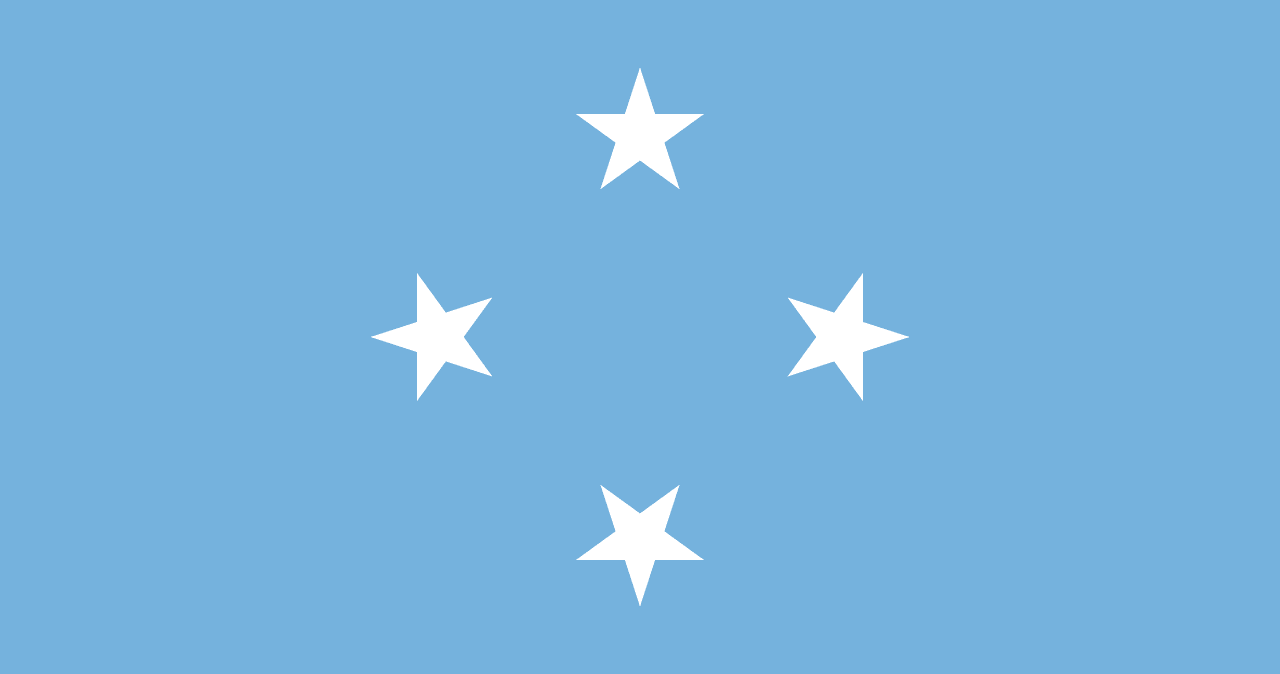
Today, the Federated States of Micronesia stands as a testament to resilience and adaptability. Comprising four states—Yap, Chuuk, Pohnpei, and Kosrae—each with its distinct culture and traditions, the FSM presents a colorful mosaic of the Micronesian identity. The nation embraces its rich heritage, celebrating festivals that honor ancient customs while also engaging with contemporary global issues.
Despite the challenges of modernity, including climate change and economic dependency, the spirit of community and cooperation endures. The fishing and agriculture sectors remain vital to local economies, while tourism has begun to emerge as an important source of revenue, showcasing the breathtaking beauty of Micronesia’s landscapes and marine life.
Moreover, Micronesian culture continues to evolve, with a growing emphasis on education and the empowerment of younger generations. Traditional navigation practices are being revitalized, and efforts to preserve languages and customs are gaining momentum. Community leaders and activists work tirelessly to balance the preservation of traditions with the demands of the modern world, fostering a sense of pride among the youth.
The story of Micronesia is far from one-dimensional. It is a rich narrative of survival, adaptation, and cultural renaissance. From ancient navigators who traversed the Pacific to modern-day leaders advocating for sovereignty and sustainability, the history of Micronesia is a testament to the enduring spirit of its people. As they navigate the complexities of today's global landscape, the islands continue to resonate with the lessons of their past, reminding the world of the importance of cultural identity and resilience in the face of change.
In conclusion, Micronesia's history is a profound reminder of the interconnectedness of human experiences—how the threads of culture, resilience, and cooperation can weave a narrative that not only honors the past but also inspires the future. As we reflect on the journey of this remarkable region, we are invited to embrace the diverse stories that shape our collective humanity, recognizing that every island, every person, and every culture contributes uniquely to the rich tapestry of our world.