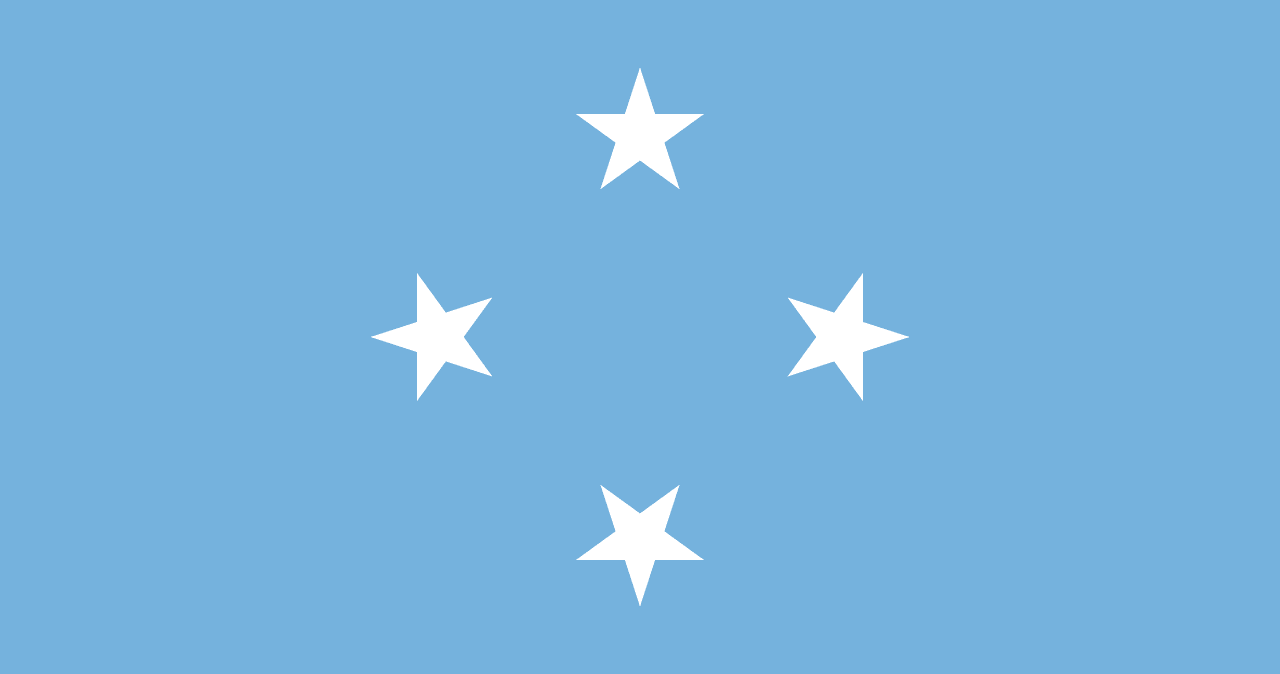
What It's Really Like to Live in Micronesia
Living in Micronesia is like stepping into a postcard where the vibrant hues of the ocean and lush green landscapes envelop your spirit. It’s a place where time seems to stretch, and every day brings a unique rhythm that is both comforting and invigorating. As someone who has had the privilege of calling this beautiful region home for several years, I want to take you on a journey to explore what everyday life is really like here – from the customs that govern our interactions to the rich food culture, all the way to the ups and downs of living in this remote paradise.
Daily life in Micronesia unfolds at a slower pace than what most people are accustomed to in bustling urban environments. The mornings are often brightened by the melodic sounds of nature – the rustling of palm leaves, the distant calls of birds, and the playful splashes of fish in the nearby lagoon. Many locals rise with the sun around 6 AM, starting their day with a hearty breakfast of taro, breadfruit, or rice, often accompanied by fresh coconut water. It’s a staple that you can find at local markets, where prices for fresh produce can be astonishingly low; a large bunch of ripe bananas might only set you back a dollar or two.
The cost of living can be a mixed bag. While some things like local food are very affordable, imported goods can come with a hefty price tag due to shipping costs and limited local production. A gallon of milk might run around $8, while a loaf of bread from the local bakery can cost about $3. Dining out varies widely depending on where you go. A meal at a modest local eatery can be enjoyed for $5, while a sit-down dinner at a fancier restaurant will likely cost you $30 or more.
Food culture in Micronesia is deeply rooted in tradition, with a strong emphasis on community and sharing. Meals are often communal, with families gathering around to enjoy dishes that feature local fare such as fish, chicken, and an array of tropical fruits. If you’re lucky enough to be invited to a local feast, expect to experience an abundance of flavors. One of my fondest memories is attending a celebration in which the main dish, called ‘lechon,’ was a whole roasted pig, marinated and cooked to perfection. It’s a centerpiece of many social gatherings, and the camaraderie it fosters is palpable.
Social customs here are soaked in warmth and hospitality. Greetings are paramount, and you’ll often hear the phrase “Mwaramwar” (meaning hello) followed by a heartfelt smile. People here value relationships deeply; it’s not uncommon for conversations to stretch for ages, even with someone you just met. Respect for elders is ingrained in the culture, and you’ll often see younger generations bowing their heads slightly as a sign of respect when speaking to older individuals.
Family life in Micronesia is close-knit and centered around the family unit. Extended families often live together or in close proximity, fostering a support system that is both practical and emotional. Children are cherished, and the community often plays a role in their upbringing, with neighbors looking out for one another’s kids as they play in the streets. Education is highly valued, and parents work hard to provide for their children’s schooling, often making sacrifices to ensure that their kids have the best opportunities available.
Work culture in Micronesia can be quite different from what many are used to. The workweek typically runs from Monday to Friday, with most businesses operating from 8 AM to 5 PM. However, you’ll find that the concept of “punctuality” is more fluid here. Arriving a bit late is generally accepted, and the focus tends to be more on building relationships than on strict deadlines. For those working in tourism or local government, the environment can be both rewarding and challenging due to the reliance on seasonal visitors and the unique issues that come with island life.
Weekends are a time for relaxation and adventure. Locals often participate in communal activities, whether it’s heading to the beach for a family picnic, playing volleyball, or diving into the crystal-clear waters for a bit of fishing. You’ll often see families gathering at the shore, where the sound of laughter and splashing water fills the air. Many locals engage in traditional sports, such as canoe racing, which is not only a fun way to spend time but also a way to keep the cultural heritage alive. It’s common to find groups of friends and family engaging in playful competitions, showcasing the rich spirit of camaraderie that defines life here.
The weather in Micronesia plays a significant role in shaping our daily routines. Generally, the climate is tropical, with warm temperatures year-round averaging around 80°F (26°C). The seasons are often characterized by wet and dry periods, with the rainy season usually occurring from June to October. This brings a lush vibrancy to the landscape, but it can also pose challenges, as sudden downpours can disrupt plans. Locals have learned to embrace these weather changes, adapting their activities to suit the environment – spontaneous beach bonfires turn into cozy indoor gatherings when the rains arrive, often accompanied by stories and laughter.
Despite the idyllic surroundings, living in Micronesia is not without its challenges. Access to healthcare can be limited, particularly on smaller islands, where medical facilities may not have the resources available in more urbanized areas. Additionally, job opportunities can be scarce, particularly for those without specialized skills. The cost of imported goods can also be a strain on household budgets since many items are shipped from afar. However, these challenges are often balanced by the countless positives of island living – the breathtaking sunsets, the sense of community, and the overall quality of life that allows for slower and more meaningful interactions.
Foreigners who visit or move to Micronesia are often surprised by the sheer amount of warmth and hospitality they receive. The openness in social interactions can be refreshing, but many are taken aback by how important communal bonds are in everyday life. Social gatherings often turn into lively events filled with laughter, and newcomers are typically welcomed into the fold with open arms. Some may also find it surprising that in many villages, the concept of personal space is different; it's common for people to stand quite close together during conversations, a sign of familiarity and friendship.
Another surprise for many is the level of commitment to preserving culture and tradition while embracing modernity. Yes, you’ll find smartphones and Wi-Fi, but you’ll also witness ancient practices, such as weaving, fishing, and storytelling, being passed down through generations. There’s an exquisite balance between honoring the past and looking toward the future, which creates a rich tapestry of experiences for both locals and visitors alike.
In conclusion, everyday life in Micronesia is a vibrant blend of tradition and modernity, wrapped in the stunning backdrop of nature. It’s a place where the community thrives on relationships, where food is a celebration, and where weekends are filled with love and laughter. Though the challenges are real, they can be overshadowed by the warmth of the people, the beauty of the land, and the rich cultural practices that define this unique way of life. Whether you find yourself fishing with friends at dawn or sharing a meal with family while the sun sets, Micronesia offers an intimate glimpse into a life that values connection above all else. For those willing to immerse themselves, it’s a transformative experience that will stay with you long after you’ve left.