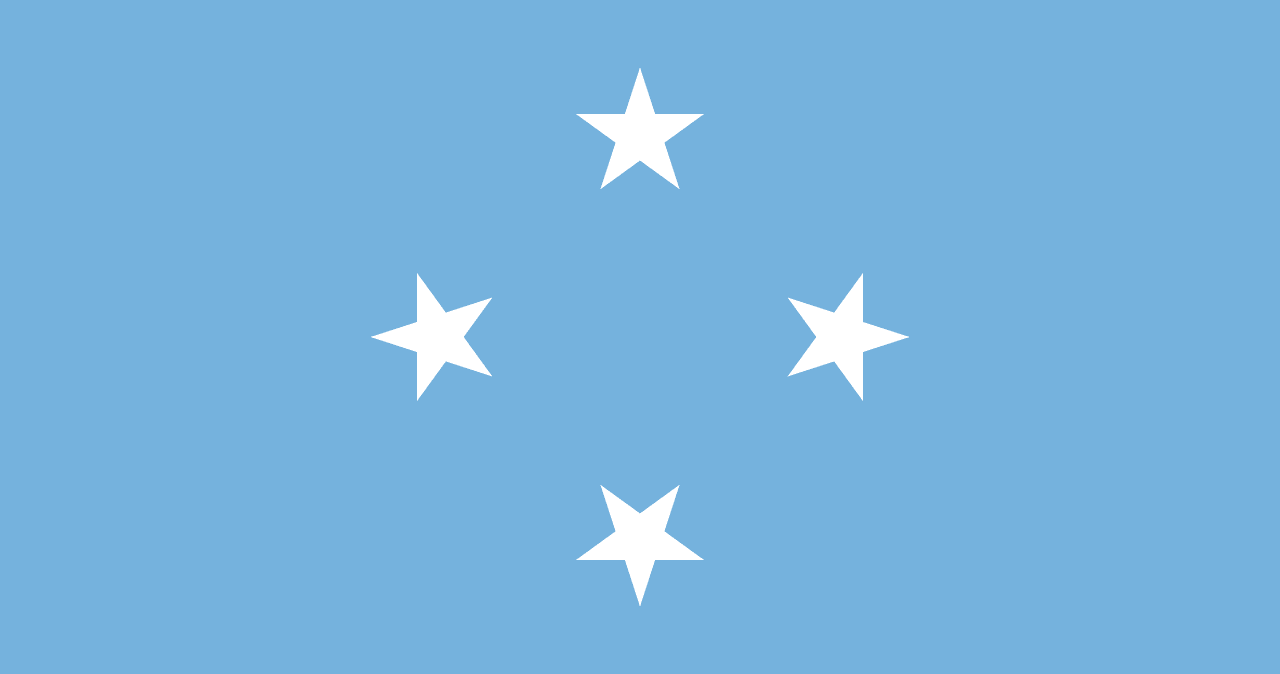
The Federated States of Micronesia is a Pacific nation of over 600 islands spread across a vast stretch of the western Pacific Ocean, north of Papua New Guinea and east of the Philippines. Its four states — Yap, Chuuk, Pohnpei, and Kosrae — each have distinct cultures, languages, and natural environments that reward travelers willing to venture far off the standard Pacific circuit.
Chuuk Lagoon, formerly known as Truk, is one of the world's premier wreck diving destinations. During Operation Hailstone in February 1944, American forces sank the Japanese imperial fleet anchored in the lagoon, sending over 60 ships and 200 aircraft to the bottom. Today those wrecks are draped in coral and teeming with marine life. Zero fighters, torpedoes, trucks, ceramic sake bottles, and human remains all lie in clear warm water between 15 and 60 meters deep. The lagoon is a sacred war memorial and one of the most atmospheric dive sites on Earth.
Pohnpei is the FSM's capital state and home to Nan Madol, one of the Pacific's most mysterious and spectacular archaeological sites. Built on 92 artificial islets connected by canals off Pohnpei's eastern coast, Nan Madol was the ceremonial and political capital of the Saudeleur dynasty from around 1100 to 1628 CE. Its walls are built from massive basalt columns weighing several tons each, transported by unknown means from quarries across the island. UNESCO listed it in 2016. The surrounding mangrove waterways are navigable by kayak.
Yap State is famous for its extraordinary living culture — Yapese people still use rai, massive stone discs carved from limestone on Palau and sailed to Yap centuries ago, as a form of ceremonial wealth. The discs are too heavy to move but ownership transfers through oral agreement. Yap is also home to the world's most reliable population of manta rays — gentle giants that visit cleaning stations near Manta Ridge year-round.
Kosrae, the most remote state, is a rising volcanic island of dense forest, pristine reefs, and zero mass tourism. Its coral reefs are considered some of the healthiest in the Pacific.
The best time to visit is December through May, the drier season, though diving in Chuuk is good year-round.