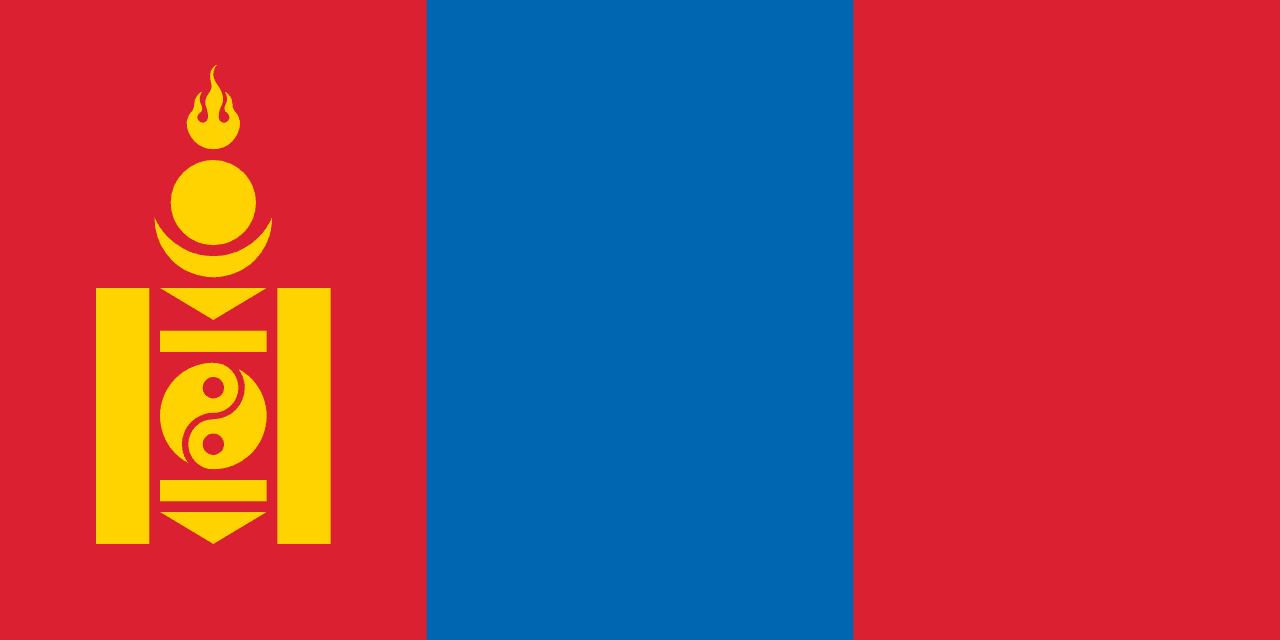
Living in Mongolia is an adventure that stitches together the vastness of the steppe, the rich tapestry of its nomadic culture, and the bustling energy of urban life. As someone who has had the privilege of calling this remarkable country home, I can tell you that Mongolia is a land of stark contrasts and unexpected joys. In this post, I’ll share what everyday life is really like here, from the intricacies of daily routines to the warmth of family ties, from the unique food culture to the challenges and surprises that await newcomers.
Imagine waking up to the sound of a horse neighing in the distance, the first rays of sunlight piercing through the felt walls of a ger—a traditional Mongolian yurt. Many people in rural areas still live in gers, surrounded by the endless steppe, where the air is crisp and the sky stretches endlessly. Daily life begins early; as the sun rises, so do the herders. By seven o’clock, you might find a family gathering around a breakfast of buuz (steamed dumplings) or a bowl of warm milk tea, known as suutei tsai. The day is punctuated by chores—milking cows, tending to sheep, or gathering firewood if you’re in a remote area.
In the capital city of Ulaanbaatar, life takes on a different rhythm. Here, you’ll find a dynamic blend of modernity and tradition. The city is alive with energy—people bustling about in the streets, children playing in parks, and vendors selling everything from traditional snacks to the latest tech gadgets. Daily life is often marked by a quick breakfast, maybe some khorkhog (a type of barbecued mutton) or a simple loaf of bread with jam, before heading off to work or school. Public transportation, primarily buses and taxis, plays a crucial role in getting around, and a bus fare is just around 1,000 tugrik (approximately $0.30).
When it comes to the cost of living, Mongolia can be quite affordable compared to many Western countries, yet urban centers like Ulaanbaatar can be surprisingly expensive. Rent for a modest apartment in the city might set you back about 700,000 tugrik (around $200) a month. Groceries are relatively inexpensive; I often spend about 50,000 to 80,000 tugrik (approximately $15 to $25) a week on essentials. However, imported goods can be pricey. For instance, a can of soda may cost around 1,500 tugrik ($0.45), which can feel steep for a local product.
Food culture in Mongolia is deeply rooted in its nomadic heritage, with meat and dairy forming the backbone of the diet. You’ll find that fresh produce is less abundant, especially in winter, but during the summer months, local markets overflow with vibrant vegetables. A common meal might include a hearty stew of mutton, potatoes, and carrots, often seasoned with simple spices. A popular dish, khorkhog, is made by cooking meat with hot stones in a sealed container, creating a unique flavor. On special occasions, you might be treated to a lavish spread of traditional dishes during a celebration known as Naadam, where you can taste everything from mutton to dumplings and even traditional dairy products like airag (fermented mare's milk).
Social customs in Mongolia are as rich as its landscape. The concept of “ger” is not only a home but a symbol of hospitality. When visiting a ger, it is customary to offer a greeting, such as “Sain bainaa?” (How are you?). Guests are often treated with the utmost respect, and it’s common to be offered milk tea or some snacks. In rural areas, it’s not unusual to witness the tradition of “zolgokh,” where people touch the other’s hand to their forehead as a gesture of respect. This deep-rooted hospitality creates a warm, welcoming atmosphere that makes you feel at home, even if you’re a foreigner.
Family life in Mongolia often revolves around strong communal ties. Most families are extended, with grandparents, uncles, aunts, and cousins living nearby or even under the same roof. Children are cherished, and there is a cultural emphasis on family gatherings, especially during holidays and celebrations. The Lunar New Year, known as Tsagaan Sar, is a particularly important time when families come together to honor their ancestors with offerings and share a feast.
Work culture in Mongolia varies between urban and rural settings. In cities, the workweek typically runs from Monday to Friday, with a growing emphasis on professionalism and punctuality, especially among younger generations. However, in rural areas, life is less structured. Work revolves more around seasonal cycles and the needs of livestock, making flexibility a virtue. In offices, you’ll find a mix of traditional values and modern practices, with a focus on teamwork and respect for elders. The local phrase “ajilaa hiih” (to do work) reflects the strong work ethic ingrained in both urban and rural cultures.
As the weekend rolls around, locals have a variety of ways to unwind. In Ulaanbaatar, you might find young people heading to cafes or restaurants, enjoying a relaxing meal with friends. Many cafes serve delicious pastries and coffee, and a popular local hangout is the State Department Store, which has an impressive food court. Families often spend weekends visiting nearby parks or taking short trips to the countryside, where they can enjoy the beautiful landscapes and fresh air. In the summer, many people flock to the lakes for picnics and outdoor games.
Weather plays a significant role in shaping life in Mongolia. The country experiences extreme temperatures, ranging from scorching summers to frigid winters. In winter, temperatures can plunge to -40°C (-40°F), making daily life a challenge. People bundle up in thick fur-lined coats and warm boots, and the streets become a winter wonderland. Conversely, summer brings warmth and sunshine, and the steppe bursts into vibrant green. These seasonal extremes foster a resilience in the people, who adapt and learn to appreciate the beauty and challenges each season brings.
Living in Mongolia is not without its challenges. The rapid urbanization of Ulaanbaatar has led to issues such as pollution, traffic congestion, and inadequate infrastructure. Many locals face difficulties in accessing healthcare or quality education, especially in remote areas. Yet, despite these challenges, the spirit of the Mongolian people is indomitable. There is a palpable sense of community and support, with friends and families banding together to help one another.
One of the most delightful surprises for many foreigners visiting or living in Mongolia is the friendliness of the people. Mongolians are known for their hospitality, often going out of their way to help others. You might find yourself invited to a family dinner or a traditional celebration, where you’ll be welcomed with open arms. Another pleasant surprise is the country’s breathtaking natural beauty. From the vast steppes to the rugged mountains, Mongolia is home to some of the most stunning landscapes in the world. The opportunity to experience this diverse environment—from hiking in the Altai Mountains to exploring the otherworldly Gobi Desert—adds a sense of adventure to daily life.
As I reflect on my time living in Mongolia, I am filled with gratitude for the experiences I’ve had and the relationships I’ve built. The blend of tradition and modernity, the resilience of the people, and the breathtaking landscapes have left an indelible mark on my heart. Every day is a reminder of the beauty of simplicity, the richness of community, and the joy of living in a land that feels both ancient and new. Living in Mongolia is more than just a lifestyle; it’s an experience that shapes you in ways you never expected.