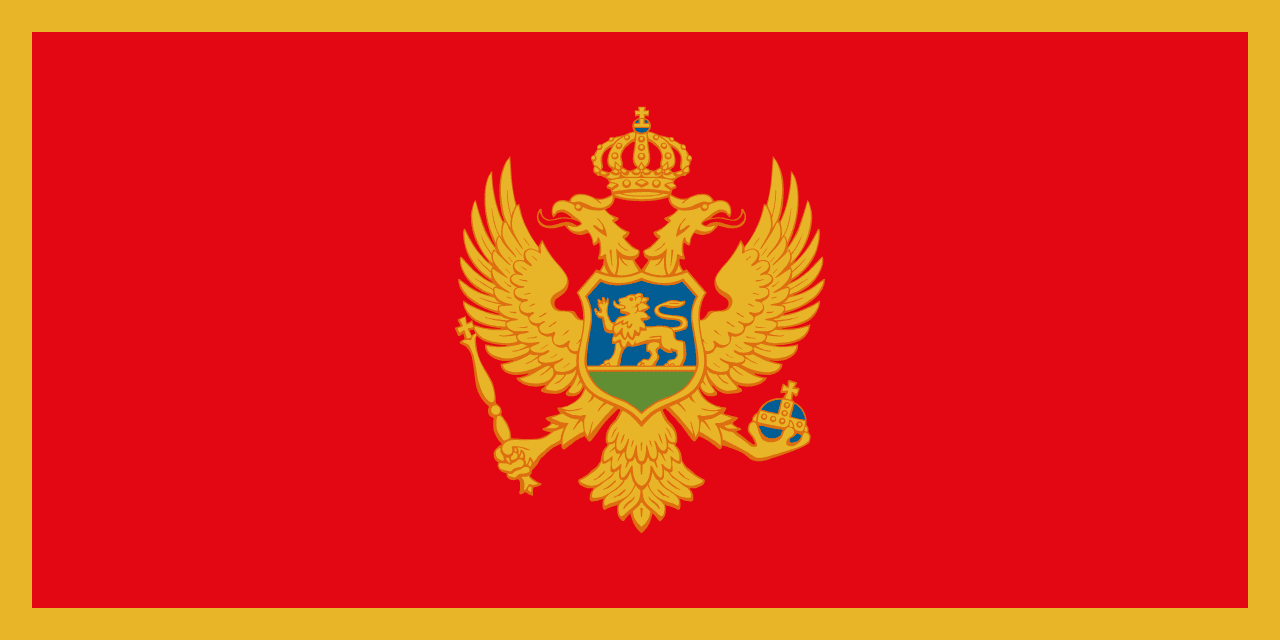
Nestled between the azure waters of the Adriatic Sea and the rugged peaks of the Dinaric Alps, Montenegro is a gem of the Balkans, often overshadowed by its more famous neighbors. I’ve spent several years living here, and I can say that everyday life in Montenegro is a unique tapestry woven from rich cultural threads, stunning natural beauty, and a slower pace that invites reflection and connection. From the vibrant streets of Podgorica to the quaint charm of Kotor, let me take you on a journey through what it's really like to live in this captivating country.
Daily life in Montenegro tends to be uncomplicated and deeply rooted in tradition. Most Montenegrins rise with the sun, embracing the day with a strong sense of purpose. Morning routines often include a strong cup of "kafa," a rich Serbian-style coffee that is more akin to an espresso than the drip brew many foreigners might expect. It’s not uncommon for locals to gather at a nearby café to sip their coffee while discussing the latest news or gossip, embodying the community spirit that prevails here. The cost of living is relatively low compared to Western Europe; a cup of coffee typically costs around one euro, making it an accessible luxury for all.
As I ventured through my daily life, I quickly learned that Montenegrins have a strong work ethic, but there's always room for leisure. The typical workday begins around 8:00 AM and wraps up by 4:00 or 5:00 PM. Most businesses operate on a Monday through Friday schedule, with an apparent emphasis on balancing work and family time. It’s essential to note that lunch is sacred here; many offices have a designated break that can last up to two hours. This is when families come together to share meals or catch up with friends, reflecting the importance of relationships in Montenegrin culture.
Living in Montenegro has taught me that food is much more than sustenance; it’s a bridge connecting generations and cultures. Traditional Montenegrin cuisine is hearty and flavorful, reflecting influences from both Mediterranean and Central European culinary traditions. Dishes like "njeguški pršut" (a type of cured ham) and "kačamak" (a cornmeal and cheese dish) are staples in any household. On average, groceries cost about 200-300 euros per month for a single person, depending on dietary preferences.
Eating out is also a joy; there are countless konobas (taverns) and restaurants offering delectable local fare. A meal in a modest restaurant can cost around 10-15 euros, while a more upscale dining experience might set you back 25-40 euros. Weekends often see families heading out to enjoy leisurely meals together, savoring the tastes of the region while sharing stories over a glass of local wine or rakija, a potent fruit brandy that’s often served as a welcoming gesture.
Social customs in Montenegro are steeped in hospitality. When invited to someone’s home, it is customary to bring a small gift, such as a bouquet of flowers or a bottle of wine. The phrase "Dobar dan" (Good day) is a common greeting, and it’s important to reciprocate with warmth. Montenegrins take pride in their heritage, and you’ll often find conversations revolving around family history and local traditions. For many, the bonds of kinship run deep; it's not unusual for extended families to live in close proximity, fostering a sense of support and belonging.
Family life is central to Montenegrin society, and the dynamics are often traditional. It’s common for children to live with their parents until they are married, and it’s not unusual for several generations to share a household. Celebrations, whether weddings, birthdays, or religious holidays, are grand affairs marked by feasting, dancing, and music. I remember attending a local wedding where the couple was surrounded by family and friends, the air filled with the sound of "tamburica" music and the smell of grilled meats wafting through the air. These celebrations often last well into the night, embodying the joy and vibrancy of Montenegrin life.
As for work culture, it’s a blend of professionalism and a laid-back approach. The Montenegrins I’ve met value punctuality and diligence, yet they also appreciate a relaxed atmosphere. It’s not uncommon to take breaks for coffee or a casual chat with colleagues, emphasizing the importance of personal connections in the workplace. English language proficiency is on the rise, especially among the younger generation, making it easier for foreigners to navigate the business landscape.
Weekends in Montenegro are a time for adventure and indulgence. The country’s natural beauty provides ample opportunities for outdoor activities. During the warmer months, locals flock to the beaches of Budva or the stunning fjords of Kotor, soaking up the sun or enjoying water sports. Popular activities include hiking in national parks like Durmitor or Lovćen, where breathtaking views reward those willing to trek. For many Montenegrins, the weekend means gathering with friends for a barbecue, or "roštilj," where meats are grilled and laughter fills the air.
The weather in Montenegro plays a significant role in shaping lifestyle. The coastal areas enjoy a Mediterranean climate, while the northern regions experience more continental weather, with colder winters. Summers are hot and dry, making them ideal for beach outings, while winters invite skiing in the enchanting mountains. As someone who has experienced both the sun-kissed coasts and the snow-covered peaks, I can attest to the diverse lifestyle that the climate affords. Each season brings its unique charm, and celebrations often revolve around seasonal changes.
Living in Montenegro is not without its challenges. Bureaucratic processes can be frustratingly slow; obtaining permits or navigating legal matters often requires patience and persistence. The healthcare system, while generally good, can vary in quality, particularly in rural areas. Moreover, while the cost of living is affordable, salaries may not always align with living expenses, particularly for those working in lower-paying sectors.
Yet, amidst these challenges, there are countless positives. The breathtaking landscapes are unparalleled, offering a sense of peace and connection to nature that is hard to find elsewhere. The pace of life encourages a focus on what truly matters: family, friendships, and community. Montenegrins have an incredible ability to find joy in the simplest of moments, whether it’s a family gathering, a sunset over the bay, or a spontaneous road trip through the mountains.
What surprises most foreigners about living in Montenegro is the overwhelming sense of community and connection. In a world that often feels disconnected and fast-paced, Montenegrins prioritize relationships and quality time with loved ones. The warmth of the people, their willingness to invite you into their lives, and their deep sense of pride in their culture can be eye-opening for newcomers. Additionally, the stunning landscapes, historical sites, and cultural richness that surround you serve as a constant reminder of the beauty and depth of life here.
In conclusion, living in Montenegro is a delightful blend of tradition and modernity. It’s a place where daily life feels like a celebration of culture, family, and nature. From the early morning coffee rituals to the lively weekend gatherings, the heart of Montenegro beats strongly in the lives of its people. While there may be challenges, the rewards of living in this enchanting country far outweigh them. For those considering a move or just curious about life here, I can assure you that each day unfolds with a sense of adventure, warmth, and community, making Montenegro a truly special place to call home.