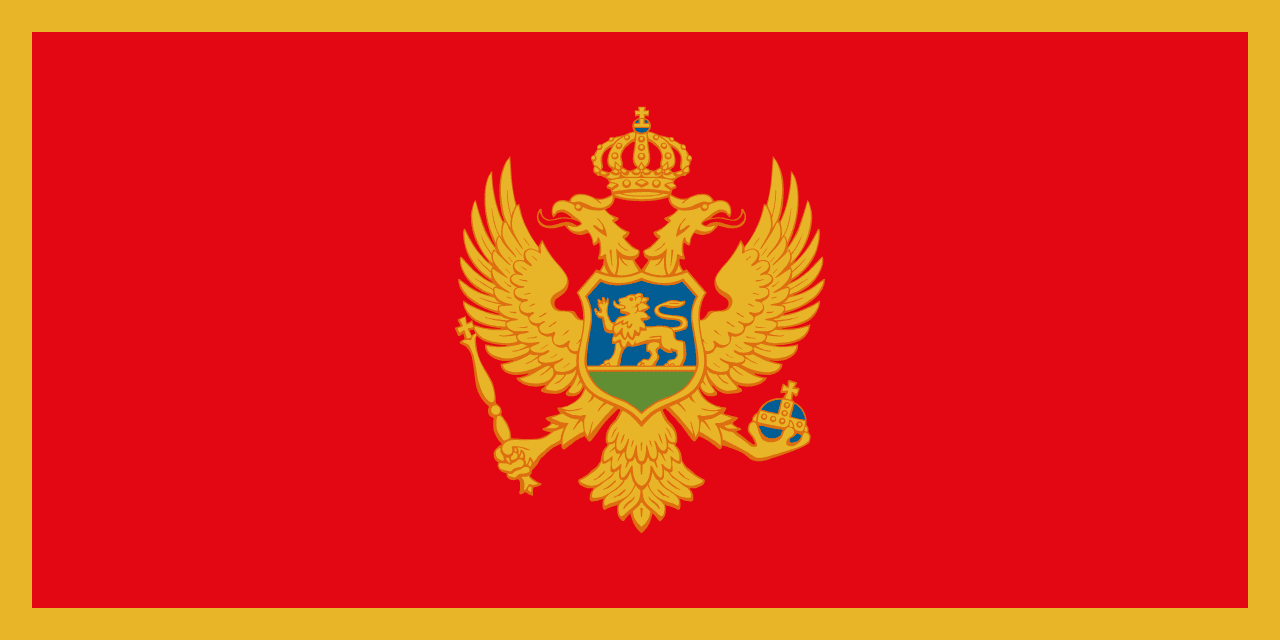
Montenegro is one of Europe's youngest countries and one of its most geographically dramatic. A tiny Adriatic nation of just 13,800 square kilometers on the western edge of the Balkans, it packs together a stunning coastline, a UNESCO-listed bay, medieval fortress towns, glacial mountains, and river canyons that rank among Europe's most spectacular natural features.
The Bay of Kotor, a fjord-like inlet in the south that is often mistaken for a fjord but is technically a drowned river canyon, is Montenegro's most iconic landscape. The medieval walled town of Kotor at the bay's innermost point is a UNESCO World Heritage Site — its Venetian-era walls climb steeply up the mountain behind the town, offering panoramic views from the fortress of St. John above. The bay is ringed with villages of stone churches, baroque palaces, and olive groves, all reflected in the calm water. Perast, a tiny baroque village, contains two remarkable islands — Our Lady of the Rocks (man-made) and St. George — both of which have small churches visible from the mainland.
The Tara River Canyon, in the north, is the deepest canyon in Europe and the second-deepest in the world after the Grand Canyon. The Tara cuts 1,300 meters through limestone mountain, and the river below is one of Europe's cleanest, flowing through the Durmitor National Park. Rafting the Tara through this canyon is one of the Balkans' most thrilling outdoor experiences.
Durmitor National Park, centered on a glacial plateau at over 2,000 meters, offers some of the Balkans' best skiing in winter and hiking in summer. The Black Lake below the Durmitor massif reflects the towering peaks in deep green water.
Budva, on the Adriatic coast, is Montenegro's most popular resort town — a medieval walled old town surrounded by beach resorts and nightlife that fills to overflowing in July and August. Sveti Stefan, a fortified island village connected to the mainland by a narrow causeway, is one of the Adriatic's most photographed landmarks.
Montenegrin cuisine combines Adriatic seafood — black risotto, grilled squid, fresh fish — with inland mountain cooking: lamb roasted under the peka, smoked ham, and aged sheep's cheese.
The best time to visit is May through June or September through October, avoiding summer crowds while enjoying warm, clear weather.