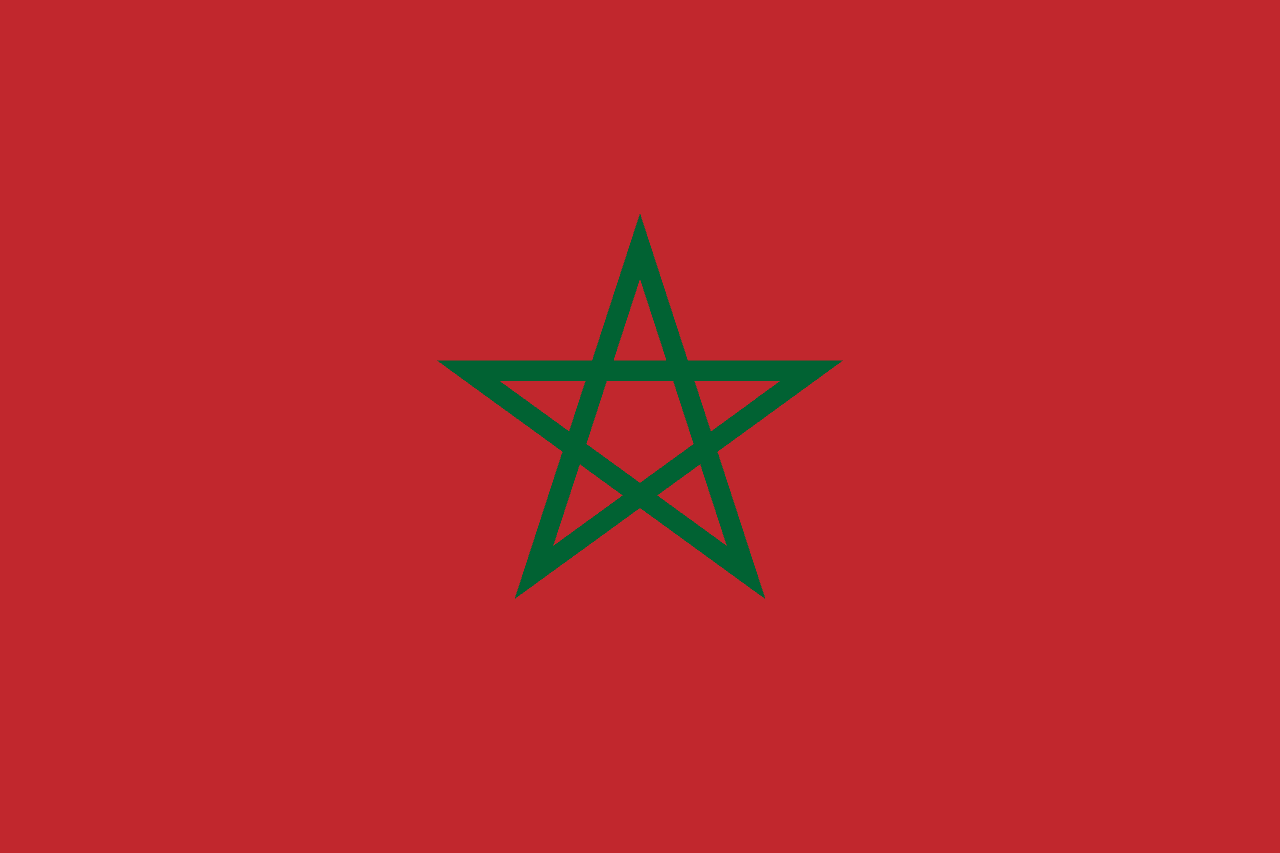
The History of Morocco: From Ancient Times to Today
🌐 Translate:
# The History of Morocco: From Ancient Times to Today
When you think of Morocco, vibrant souks, the shimmering Sahara, and intricate mosaics might come to mind. However, the tapestry of Moroccan history is woven from the threads of diverse cultures, kingdoms, and empires that have shaped this North African nation into the remarkable place it is today. From its ancient roots to its modern-day identity, the story of Morocco is a rich narrative of resilience, evolution, and transformation.
## Ancient and Indigenous History
Morocco's history dates back thousands of years, with evidence of human habitation as far back as the Paleolithic era. The indigenous Berber people, or Amazigh, are among the earliest inhabitants, with their roots tracing back to the prehistoric periods. These hardy people thrived in the rugged Atlas Mountains and the coastal regions, developing a unique culture steeped in traditions that still resonate today.
By around 1100 BC, the Phoenicians began to establish trade routes along the Moroccan coastline, leading to the founding of several settlements. Among them was the illustrious city of Carthage, which served as a significant trading hub in the Western Mediterranean. The Berber tribes maintained their autonomy, sometimes allying with the Phoenicians and at other times resisting their influence.
The rise of Rome deeply impacted the region when it expanded into North Africa during the 1st century BC. The Romans established the province of Mauretania, encompassing parts of modern-day Morocco and Algeria. The Roman city of Volubilis, with its stunning ruins still visible today, became a cultural and economic center, showcasing the grandeur of urban life during this era. The city was adorned with intricate mosaics and impressive architecture, remnants of a time when it thrived under Roman governance.
Despite Roman domination, the Berber identity remained resilient. The fall of the Western Roman Empire in the 5th century set the stage for the emergence of new powers in the region, as the Vandals and later the Byzantines briefly ruled parts of Northern Africa. However, the indigenous Berber tribes continued to resist foreign control, embodying a spirit of independence that would characterize Morocco for centuries to come.
## The Rise of Islam and the Dynastic Era
The 7th century heralded a monumental turning point for Morocco as Islam arrived with Arab traders and conquerors. The Berbers initially embraced Islam, leading to the formation of the first Islamic state in the region, the Idrisid dynasty, founded by Idris I in 788 AD. Idris, a descendant of the Prophet Muhammad, established Fes as a cultural and religious center, laying the groundwork for future dynasties.
The Idrisids' rule marked the beginning of a long Islamic heritage in Morocco, which would see numerous dynasties rise and fall. Among the most notable were the Almoravids and Almohads, who expanded their influence throughout North Africa and into the Iberian Peninsula during the 11th and 12th centuries. These dynasties were renowned for their military prowess and architectural achievements, including the iconic Koutoubia Mosque in Marrakech, which stands as a testament to their legacy.
The Almohads, in particular, left an indelible mark on Moroccan culture and history. They championed a strict interpretation of Islam and promoted a synthesis of Berber and Arab cultures, leading to a flourishing of the arts, science, and philosophy. Under their rule, Marrakech emerged as a vibrant capital, its streets echoing with the works of scholars and poets.
Yet, the power of these dynasties began to wane by the 13th century, giving way to fragmentation and the rise of smaller kingdoms. The Marinids eventually took control, ushering in a period of stability and cultural revival in the 14th century. They not only continued the architectural legacy of their predecessors but also fostered the development of Fes as a leading center of learning, establishing the famous University of Al Quaraouiyine, recognized by UNESCO as one of the oldest existing universities in the world.
## The Colonial Period: A Clash of Cultures
The 19th century brought new challenges to Morocco's sovereignty, as European powers expanded their empires across Africa. In 1912, the country was divided into zones of influence under French and Spanish control through the Treaty of Fez. This marked the start of the colonial era, which would dramatically alter Morocco's social, economic, and political landscape.
The French established a protectorate over most of Morocco, exerting control while allowing the Sultan to maintain a semblance of authority. This duality led to tensions as traditional power structures were challenged. One of the key figures during this period was Sultan Mohammed V, who emerged as a symbol of Moroccan nationalism. His subtle resistance against French rule galvanized the populace, ultimately contributing to the rise of nationalist movements.
The Spanish, meanwhile, governed the northern regions and parts of the Sahara, where the indigenous Berber population often resisted outside control. The Rif War of 1921-1926 saw fierce conflict between Spanish forces and the Berber leader Abdelkrim el Khattabi, who successfully united various tribes against colonial rule. His victory and the establishment of the short-lived Republic of the Rif became a significant moment of anti-colonial struggle, inspiring future generations.
Throughout the colonial period, Moroccan culture remained vibrant, as artists, writers, and intellectuals debated the future of their nation. The legacy of the colonial era remains complex, with modern Moroccans grappling with the historical impacts of foreign rule while celebrating their rich heritage.
## Independence and the Formation of Modern Morocco
After World War II, calls for independence surged throughout Africa. In Morocco, unrest and protests against colonial rule began to escalate, driven by the efforts of nationalist groups such as the Istiqlal Party. The culmination of these struggles came in 1956 when Morocco regained its independence, marking a historic turning point for the nation.
Sultan Mohammed V ascended to the throne as King, becoming a unifying figure in the post-independence era. His leadership was pivotal in shaping the new Moroccan state, as he prioritized modernization, infrastructure development, and social reform. The 1960s saw significant advancements in education and healthcare, laying the groundwork for a more prosperous society.
However, the following decades were not without challenges. The assassination of the leftist opposition leader Mehdi Ben Barka in 1965 marked a dark period for Moroccan politics. King Hassan II, who succeeded Mohammed V, ruled with an iron fist, suppressing dissent and curtailing civil liberties. His reign was characterized by a fierce crackdown on opposition, leading to widespread human rights violations. Despite this, Hassan II also fostered economic growth and modernization during the late 20th century.
## Morocco Today: A Fusion of Tradition and Modernity
As Morocco moved into the 21st century, it began to embrace a new era of reform and development. King Mohammed VI, who took the throne in 1999, initiated a series of political, economic, and social reforms aimed at promoting democracy and improving the quality of life for Moroccans. His focus on infrastructure development, particularly in urban areas, led to the growth of cities like Casablanca and Marrakech, which have become hubs of commerce and tourism.
Today, Morocco is known for its unique blend of traditional and modern influences. The country's diverse landscapes, from the snow-capped Atlas Mountains to the sun-kissed beaches of the Mediterranean, attract millions of tourists each year. The vibrant cultural heritage remains palpable in the bustling medinas, where artisans continue to craft exquisite textiles, ceramics, and leather goods, preserving the legacy of centuries gone by.
However, the nation still faces challenges, including issues of poverty, unemployment, and regional disparities. The youth, who make up a significant portion of the population, demand more opportunities and greater political voice in shaping their future. The government has recognized these challenges, launching initiatives aimed at economic diversification and development, particularly in renewable energy and technology sectors.
As Morocco stands at the crossroads of tradition and modernity, its rich history continues to inspire and inform its present. The echoes of past empires, dynasties, and struggles resonate within the heart of the nation, reminding Moroccans of their enduring resilience and the vibrant tapestry of cultures that define their identity.
In conclusion, the history of Morocco is not merely a chronicle of events but a story of a people who have navigated the complexities of foreign influence, cultural exchange, and resilience. As Morocco forges its path in the modern world, it remains a testament to the enduring spirit of its people, a colorful mosaic shaped by time, tradition, and tenacity.