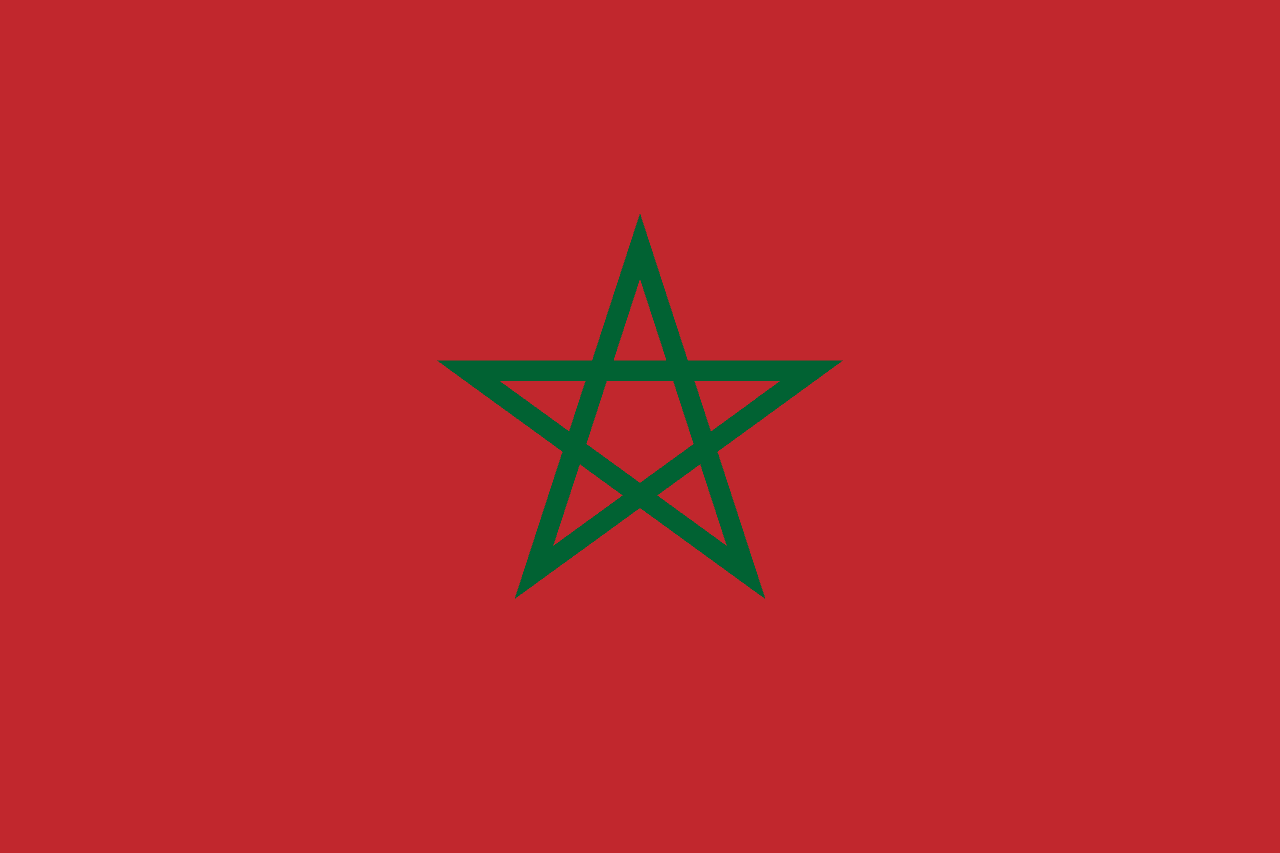
What It's Really Like to Live in Morocco
Living in Morocco is like diving headfirst into a vibrant tapestry woven with rich history, diverse cultures, and an everyday rhythm that is both exhilarating and calming. Having spent several years in this enchanting North African country, I've come to appreciate the nuances of daily life, from the bustling souks to the tranquil moments at home. This blog post will take you on a journey through my experiences, painting a picture of what life is really like for those of us who call Morocco home.
Each morning in Morocco begins with the soft call to prayer echoing through the streets, a gentle reminder of the country’s Islamic roots. My day usually starts around 7 AM, as the sun begins to rise over the Atlas Mountains, casting a golden hue over the landscape. I often stroll to the local bakery, where the air is thick with the scent of freshly baked khobz (Moroccan bread). A loaf costs about 2 dirhams (around 20 cents), and the ritual of buying bread is a daily affair for most Moroccans. The bakery is a social hub, where locals gather to chat, share news, and enjoy a moment of camaraderie before the day’s hustle begins.
As I return home, the streets buzz with activity. The sound of street vendors calling out their wares mingles with the laughter of children playing in the alleyways. Unlike the fast-paced urban life I once knew, Morocco embraces a more relaxed tempo. I often find myself enjoying a leisurely breakfast of msemen (Moroccan pancakes) drizzled with honey or a simple bowl of olives and bread. Meals are not just about sustenance; they are moments of connection, often shared with family or friends.
Living in Morocco presents a reasonable cost of living, especially for expatriates. Rent for a modest apartment in a city like Marrakech ranges from 2,500 to 5,000 dirhams ($250 to $500) per month, depending on the neighborhood. Utilities can add another 500 dirhams ($50) to the monthly budget, but that's still manageable. Dining out can be incredibly affordable, with street food offerings like a hearty tagine or a plate of couscous costing around 30 to 70 dirhams ($3 to $7). In contrast, a meal at a mid-range restaurant might set you back about 150 to 300 dirhams ($15 to $30), making it easy to enjoy the culinary delights of Moroccan cuisine without breaking the bank.
The food culture in Morocco is something truly special. Each meal is a celebration, an expression of hospitality and warmth. Spice markets are a feast for the senses, overflowing with aromatic herbs, vibrant spices, and colorful produce. I often visit the souks to buy fresh ingredients, and the negotiations with the vendors are part of the fun. "Bessah!" (It’s too much!) is a phrase you’ll hear often, as bargaining is a skill every Moroccan has mastered.
Sunday is my favorite day to explore new restaurants, usually settling for a big family meal featuring harira (a traditional soup), followed by a delicious lamb tagine. Meals are typically served with bread, and sharing is customary. It’s common to see families gathering around large platters, each person taking from the same dish, which fosters a sense of community. The sweet tooth in me can't resist the local pastries, especially baklava and chebakia, especially during Ramadan when they’re in abundance.
Family life in Morocco is deeply rooted in tradition. Families often live together, with multiple generations under one roof. It’s not uncommon for a home to be filled with laughter, children playing, and the aroma of home-cooked meals wafting through the air. Family gatherings are frequent, and they usually revolve around meals. It’s a time to reconnect, share stories, and strengthen bonds. The phrase “Ahlan wa sahlan” (Welcome!) is a common greeting, symbolizing the importance of hospitality in Moroccan culture.
Social customs are fundamental in Morocco, and understanding them can greatly enhance your experience. Greetings are warm and expressive. A handshake is customary, often followed by a gentle embrace and a kiss on both cheeks among friends. The concept of time is fluid; punctuality is appreciated but not strictly adhered to. Being late is often accepted, and gatherings can stretch for hours, filled with conversation and laughter.
Work culture in Morocco varies widely depending on the sector. In urban areas, you’ll find a blend of modern business practices and traditional methods. The workweek usually runs from Monday to Friday, with many businesses closing on Saturday. The pace of work is generally slower than in Western countries, with a strong emphasis on building personal relationships before diving into business discussions. For many, the importance of family often comes before professional obligations.
During weekends, Moroccans often escape to the countryside or visit family and friends. You’ll see families picnicking in parks or enjoying leisurely evenings at cafes that line the streets. The Moroccan café culture is a wonderful part of life here; sipping mint tea while people-watching is a cherished pastime. A glass of mint tea typically costs around 10 dirhams ($1), making it an affordable luxury.
The weather in Morocco plays a significant role in shaping daily life. The coastal areas enjoy a Mediterranean climate, with mild winters and hot summers. In contrast, the interior regions can experience extreme temperatures. Marrakech, for example, can reach 40 degrees Celsius (104 Fahrenheit) in the summer, while winters can be chilly, especially at night. The changing seasons influence what people wear — light, breathable fabrics in summer and warmer clothes in winter. The weather also dictates how locals spend their time; summer evenings are often spent outside, enjoying the cooler temperatures in local squares.
Living in Morocco is not without its challenges. While the pace of life can be refreshing, it can also be frustrating for those used to a more structured routine. Bureaucratic processes can be slow, and navigating the local healthcare system may require patience. Additionally, societal norms can sometimes feel restrictive, particularly for women, who may encounter traditional expectations regarding dress and behavior. However, these challenges often come hand in hand with the positives: a deep sense of community, the beauty of tradition, and a vibrant culture that celebrates life in its many forms.
One of the surprises for many foreigners living in Morocco is the profound sense of community. Neighbors often know each other by name, and gatherings frequently spill out into public spaces. The concept of "baraka," or blessings, is woven into daily life. It reflects a sense of gratitude for what one has, a perspective that encourages contentment and joy in the simple moments.
Furthermore, the Moroccan willingness to embrace foreigners as part of the community is refreshing. Many locals are eager to share their culture, offer guidance, and teach you a few phrases in Arabic or Berber. “Choukran” (thank you) and “safi” (enough, or okay) become second nature as you navigate interactions.
In conclusion, life in Morocco is a beautiful blend of tradition and modernity, where every day offers an opportunity to engage with the rich culture that surrounds you. From the warmth of family gatherings to the enchanting aroma of spices in the souks, living in Morocco has taught me to appreciate life’s simple joys. While there are challenges to navigate, the rewards of community, culinary delights, and a slower pace of life make it all worthwhile. Whether you’re sipping mint tea in a bustling café or enjoying a hearty meal with loved ones, the essence of Morocco is woven into every moment, inviting you to embrace a life filled with warmth, connection, and discovery.