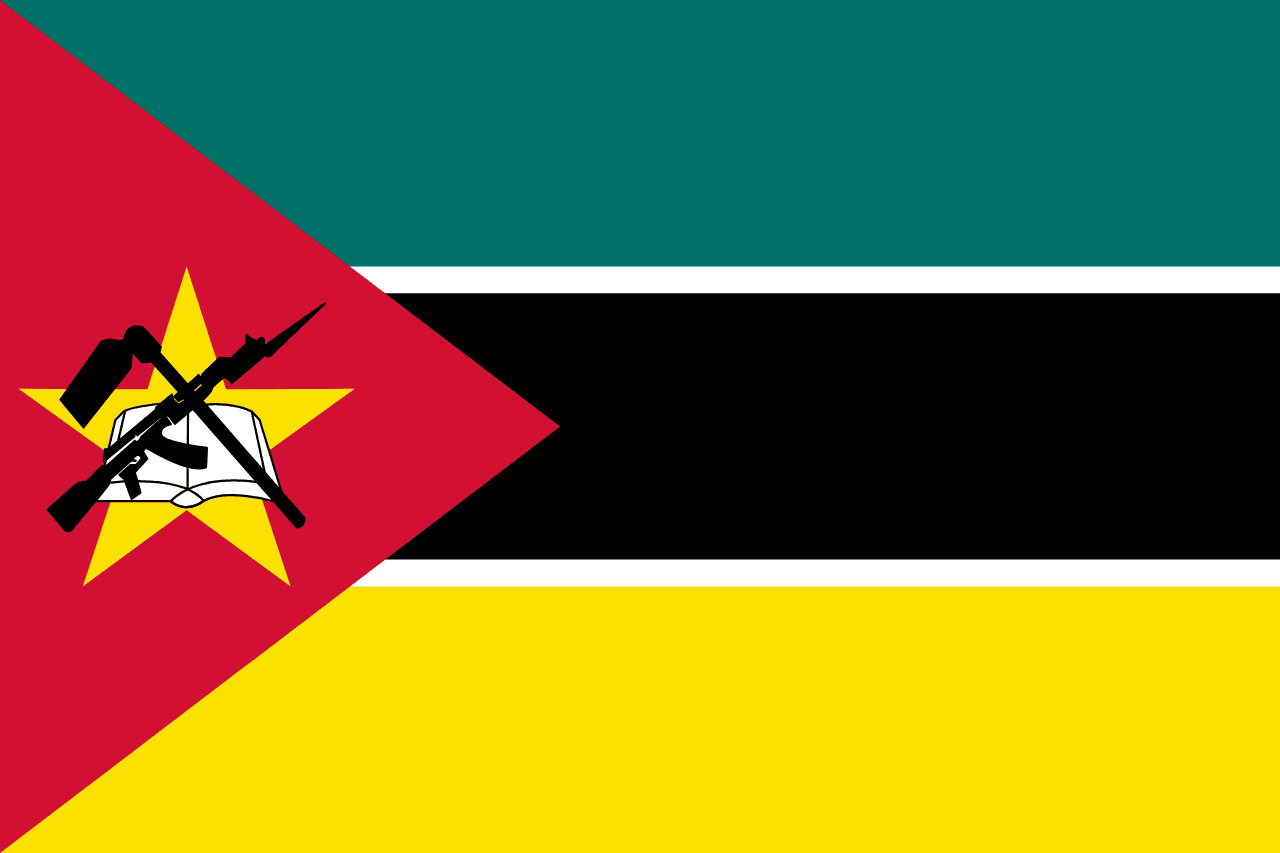
As I stepped off the plane in Maputo, the capital city of Mozambique, I was immediately enveloped in the rich aromas wafting through the air. The scent of grilled seafood mingled with spices, street food, and the faintest hint of tropical fruit. Mozambique’s culinary culture is a vibrant tapestry woven from its history, geography, and the diverse tribes that inhabit the land. From the palm-fringed beaches of the coastline to the lush, fertile plains of the interior, its cuisine is a reflection of the country’s incredible biodiversity. With a fusion of indigenous ingredients and influences from Portuguese colonialism, African traditions, and even Indian and Arab spices, the food of Mozambique offers a unique journey for the taste buds. Join me as I delve into ten must-try dishes that showcase the heart and soul of this enchanting nation’s culinary landscape.
First on the list is **Matapa**, a delightful dish that embodies the essence of Mozambican comfort food. Matapa is made from cassava leaves cooked in a rich sauce of ground peanuts, coconut milk, and spices. It has a creamy texture and a nutty flavor that pairs perfectly with a side of rice or xima, a traditional maize porridge. The dish is often served with grilled fish, which is abundant along the coast. I enjoyed a hearty serving of Matapa at a local family-run restaurant, where the cook shared with me that this dish is often prepared for special occasions, symbolizing hospitality and togetherness.
Next, I couldn’t resist trying **Piri-Piri Chicken**, a dish that has transcended borders and become a favorite worldwide. The name itself refers to the fiery chili pepper that gives this dish its signature kick. The chicken is marinated in a blend of spices, garlic, and piri-piri sauce before being grilled to perfection. The result is a smoky, spicy delight that dances on your palate. I savored a plate of Piri-Piri Chicken at a popular outdoor eatery in Maputo, where locals gathered to enjoy the vibrant atmosphere and share stories over a meal. The dish is a testament to Mozambique's Portuguese influence, and its fiery nature reflects the passion of its people.
No culinary journey in Mozambique would be complete without sampling **Feijoada**, a hearty black bean stew often enjoyed on weekends. This dish varies from region to region, but it typically includes a variety of meats, including beef, pork, and chorizo, all simmered together with spices and served with rice. The flavors meld beautifully, creating a savory, comforting dish that warms the soul. I was fortunate to share a pot of Feijoada with a local family during a Sunday meal, and they explained that this dish has deep roots in Portuguese culture, symbolizing community and togetherness, as it is often shared among friends and family.
As I wandered through the bustling streets, I encountered **Bolo Polana**, a traditional potato cake that serves as both a snack and a dessert. Made from mashed potatoes, eggs, sugar, and coconut, this cake is baked until golden brown and has a moist, tender crumb. The subtle sweetness of the coconut paired with the earthiness of the potato creates a comforting treat. I found the best Bolo Polana at a small street stall where an elderly woman sold her baked goods. She shared that this cake is often enjoyed during festivities and celebrations, bringing families together over a shared love for sweet indulgence.
Another dish that piqued my interest was **Rissóis de Camarão**, a delectable shrimp pastry that is deep-fried to golden perfection. These savory pastries are filled with a mixture of shrimp, onion, and spices, encased in a thin layer of dough. The crispy exterior gives way to a flavorful, warm filling that is utterly irresistible. I indulged in Rissóis de Camarão at a seaside café, where the sound of waves crashing provided the perfect backdrop. As I bit into the pastry, I learned that this dish is often served as an appetizer during festive gatherings, showcasing the abundant seafood that Mozambique is famous for.
Equally intoxicating is **Xima**, a staple in Mozambican cuisine that forms the backbone of many meals. Made from ground cornmeal, Xima has a thick, porridge-like consistency and is typically served alongside stews or grilled meats. It has a mild flavor that serves as a perfect canvas for the vibrant sauces and dishes it accompanies. During my travels, I found myself enjoying Xima at every meal—its comforting texture and ability to soak up flavors made it a beloved part of my culinary experience. Locals often tell me that Xima is a symbol of sustenance, a reminder of their agrarian roots and the importance of maize in their culture.
The experience of eating **Caldeirada**, a fish stew that encapsulates the spirit of Mozambique’s coastal culture, was another highlight of my culinary exploration. Made with a medley of fresh fish, shellfish, tomatoes, and spices, this hearty stew is simmered to perfection, allowing the flavors to meld beautifully. The aroma of Caldeirada is intoxicating, and the taste is a delightful blend of the ocean’s bounty. I savored a bowl of Caldeirada at a beachside restaurant, where the owner proudly shared that this dish is often prepared for family gatherings, symbolizing unity and love for the sea.
For those with a sweet tooth, **Pão de Manteiga** is a must-try. This buttery bread roll is soft, fluffy, and often served as a side to savory dishes or enjoyed on its own. The subtle sweetness of the bread, combined with its rich buttery flavor, makes it a comforting addition to any meal. I found the best Pão de Manteiga at a small bakery tucked away in the corners of Maputo. The baker explained that these rolls are often enjoyed during breakfast or as a snack throughout the day, a testament to their popularity among locals.
As I ventured further into Mozambique’s culinary landscape, I discovered the delightful **Sopa de Fubá**, a cornmeal soup that is both filling and flavorful. Made with a blend of cornmeal, vegetables, and often meat or fish, this soup is a staple in many households. The comforting, creamy texture and savory flavor of Sopa de Fubá warmed me up on a cool evening. I tried this dish at a family gathering where everyone came together to enjoy a meal, showcasing the role of food in fostering relationships and creating bonds.
Finally, I couldn’t leave Mozambique without indulging in **Coconut Rice**, a fragrant dish that elevates the humble grain to new heights. Cooked with coconut milk, this rice is aromatic and slightly sweet, making it a perfect accompaniment to spicy stews and curries. I relished the Coconut Rice at a local restaurant that focused on traditional dishes, and the owner explained that it is often prepared during special occasions, celebrating the island’s bountiful coconuts and the love for sharing good food.
As I reflect on my culinary adventure through Mozambique, it’s evident that the food here is a celebration of culture, history, and community. From humble street stalls to bustling markets, the best food can be found in the heart of the community, where chefs are passionate about sharing their heritage through flavors. I delighted in exploring the vibrant markets filled with fresh produce, spices, and local delicacies, and I recommend seeking out food stalls and family-run restaurants for an authentic taste of Mozambique.
In conclusion, Mozambique’s cuisine is a feast for the senses, a blend of flavors, and a celebration of the country’s rich cultural heritage. Each dish tells a story, inviting you to connect with the land and its people. Whether you’re indulging in the comforting embrace of Matapa or savoring the spicy kick of Piri-Piri Chicken, every bite is a journey into the heart of Mozambique. So, pack your bags, get ready to explore, and prepare your taste buds for an unforgettable adventure!