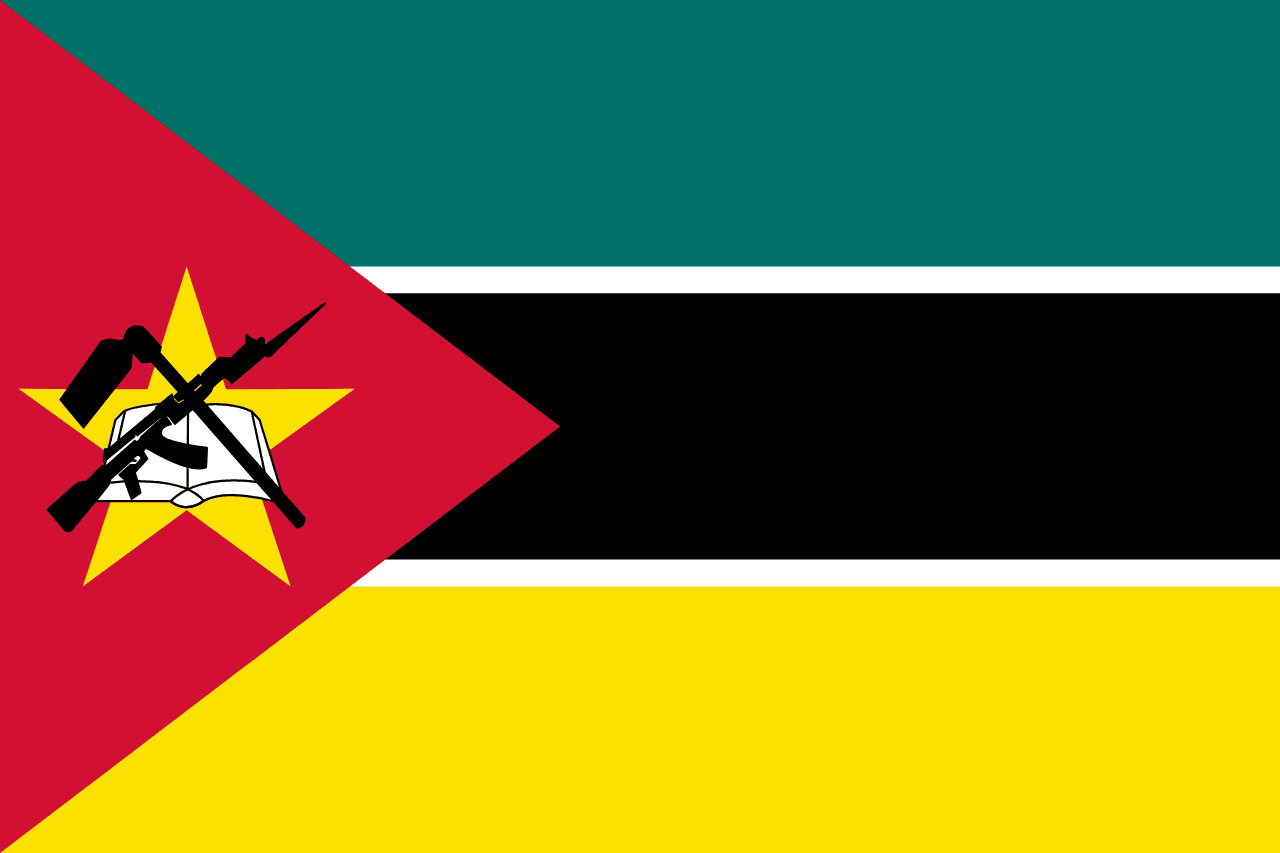
The History of Mozambique: From Ancient Times to Today
🌐 Translate:
# The History of Mozambique: From Ancient Times to Today
Nestled along the southeastern coast of Africa, Mozambique is a land brimming with cultural richness and historical complexity. With a diverse tapestry woven from indigenous traditions, the echoes of powerful empires, the scars of colonialism, and the resilience of its people, Mozambique’s history is a story of endurance and transformation that captivates the imagination.
## Ancient and Indigenous History
Long before foreign explorers set foot on its shores, Mozambique was home to various indigenous communities whose roots stretch back thousands of years. The earliest inhabitants, hunter-gatherers known as the San people, left their mark on the land through intricate rock engravings found in caves throughout the country. These petroglyphs, depicting wildlife and human figures, serve as a testament to the rich spiritual and cultural life of Mozambique's early inhabitants.
As time progressed, the Bantu-speaking peoples migrated southward from central Africa around the first millennium AD, bringing with them advanced agricultural techniques, metallurgy, and social organization. Among these groups were the Makua, Tsonga, Sena, and Shona, who established diverse societies across the region. The arrival of ironworking technology transformed agricultural practices, enabling the growth of settled communities that would lay the foundation for more complex societies.
One of the most notable early kingdoms was the Kingdom of Monomotapa, which flourished in the 15th and 16th centuries. This powerful state extended across modern-day Zimbabwe and parts of Mozambique, and it became a vital center for trade, especially in gold and ivory. The kingdom’s influence stretched to the coast, where it engaged in commerce with Arab traders, establishing routes that would prove crucial in the centuries to come.
## The Rise of Coastal Empires
As the 15th century dawned, the coastline of Mozambique began to attract the attention of Arab traders, leading to the establishment of powerful city-states such as Sofala, Inhambane, and Kilwa. These cities became bustling centers of trade, where gold, ivory, and slaves were exchanged for textiles, spices, and other goods from the Middle East and India. The fusion of African, Arab, and later European cultures led to the emergence of a rich Swahili culture along the coast, characterized by unique architectural styles, languages, and customs.
One key figure of this era was the renowned explorer Vasco da Gama, who arrived in Mozambique in 1498 during his quest to find a sea route to India. His arrival marked the beginning of European colonial interest in the region. The Portuguese quickly recognized the strategic importance of Mozambique as a waypoint on the maritime trade routes, and they established a significant presence along the coast.
However, the Portuguese did not simply bring trade; they also imposed their culture and religion on the indigenous populations. Over time, the colonial presence grew stronger, and the Portuguese began to extend their control inland. The establishment of the captaincy of Mozambique in 1505 marked the beginning of a long and turbulent colonial chapter.
## The Colonial Period
The Portuguese colonial period, which lasted for nearly five centuries, was a time of profound change and upheaval in Mozambique. Despite the initial promise of trade, the Portuguese quickly became known for their exploitative practices. They established a system of forced labor, particularly in the production of cash crops like sugar and cotton, while also engaging in the slave trade. The infamous slave trade routes from Mozambique contributed significantly to the transatlantic slave trade, with thousands of individuals forcibly taken from their homes.
Resistance against Portuguese rule was not absent. Throughout the colonial period, various uprisings occurred, led by local chiefs and communities who sought to reclaim their autonomy. One notable figure during this time was Ngungunyane, the king of the Gaza Empire, who fiercely resisted Portuguese encroachment in the late 19th century. His leadership and tenacity came to symbolize the struggle against colonialism in Mozambique.
In 1890, the Berlin Conference facilitated the scramble for Africa, leading to intensified rivalry among European powers. The Portuguese were ultimately forced to cede control of some territories in Mozambique to the British, further complicating the colonial landscape. Despite these hardships, the indigenous populations adapted and resisted in various ways, preserving their cultural identities amid the pressures of colonization.
## The Path to Independence
The 20th century brought significant political changes to Mozambique. After World War II, a wave of anti-colonial sentiment swept across Africa, inspiring many nations to seek independence. In Mozambique, the desire for freedom led to the formation of the Front for the Liberation of Mozambique (FRELIMO) in 1962. This organization became the principal movement advocating for independence from Portuguese rule.
Under the leadership of Eduardo Mondlane, FRELIMO launched a guerrilla war against Portuguese colonial authorities in 1964. The struggle for independence was marked by intense conflict and significant loss of life. The Portuguese government, however, was slow to adapt to the changing tides of public opinion, both at home and abroad. As international pressure mounted, the revolution in Portugal in 1974 resulted in a military coup that deposed the authoritarian regime, paving the way for negotiations with FRELIMO.
On June 25, 1975, Mozambique officially gained its independence from Portugal, marking a momentous occasion in the nation’s history. Eduardo Mondlane's successor, Samora Machel, became the country's first president. The euphoria of independence was palpable, as Mozambicans celebrated newfound freedom and the hope of building a prosperous future. However, the challenges of nation-building were daunting, and the scars of colonialism lingered.
## A Nation in Turmoil
The early years of independence were marked by optimism, but they quickly gave way to turmoil. Mozambique faced enormous challenges, including a lack of infrastructure, widespread poverty, and a devastating civil war that erupted in the late 1970s. The conflict pitted FRELIMO against the anti-communist rebel group RENAMO, which was supported by neighboring countries and, to some extent, by foreign powers.
The civil war ravaged the country for over a decade, leading to immense suffering and displacement for millions of Mozambicans. Cities were devastated, and the agricultural economy suffered, exacerbating food insecurity. Throughout this dark period, Samora Machel remained a symbol of resistance and resilience, even as his life was cut short in a plane crash in 1986. His death marked a turning point in the conflict, as FRELIMO began to reevaluate its strategies in pursuit of peace.
In 1990, FRELIMO adopted a new constitution that embraced multiparty democracy, and in 1992, a peace agreement was finally reached, officially bringing an end to the civil war. This historic moment paved the way for the first democratic elections in 1994, where FRELIMO emerged victorious, and Joaquim Chissano succeeded Machel.
## Mozambique Today: A Nation Rebuilding
The post-war era has seen Mozambique working tirelessly to rebuild from the ashes of conflict. The nation has made significant strides in economic growth, attracting foreign investment and focusing on sectors such as agriculture, tourism, and natural resources. Mozambique’s vast coastline and rich cultural heritage have positioned it as a rising destination for travelers seeking a diverse and vibrant experience.
However, the journey has not been without its challenges. Corruption, political tensions, and the impacts of climate change have posed obstacles to progress. The devastating cyclones and floods in recent years have highlighted the vulnerability of coastal communities and the need for sustainable development practices.
Despite these challenges, Mozambique has shown remarkable resilience. The spirit of its people, deeply rooted in their diverse cultures and histories, continues to shine through. Voices of the youth, empowered by education and technology, are carving out new narratives for the future. As Mozambique navigates its place in a rapidly changing world, the lessons of its past serve as a guiding light, illuminating the path toward a brighter tomorrow.
In conclusion, the history of Mozambique is a compelling narrative of struggle, resilience, and hope. From its ancient roots and the rise of powerful empires to the scars of colonialism and the triumph of independence, Mozambique’s journey is a reminder of the strength found in diversity and the enduring spirit of its people. As the nation continues to evolve, the richness of its history remains a cornerstone of its identity, shaping the dreams and aspirations of future generations.