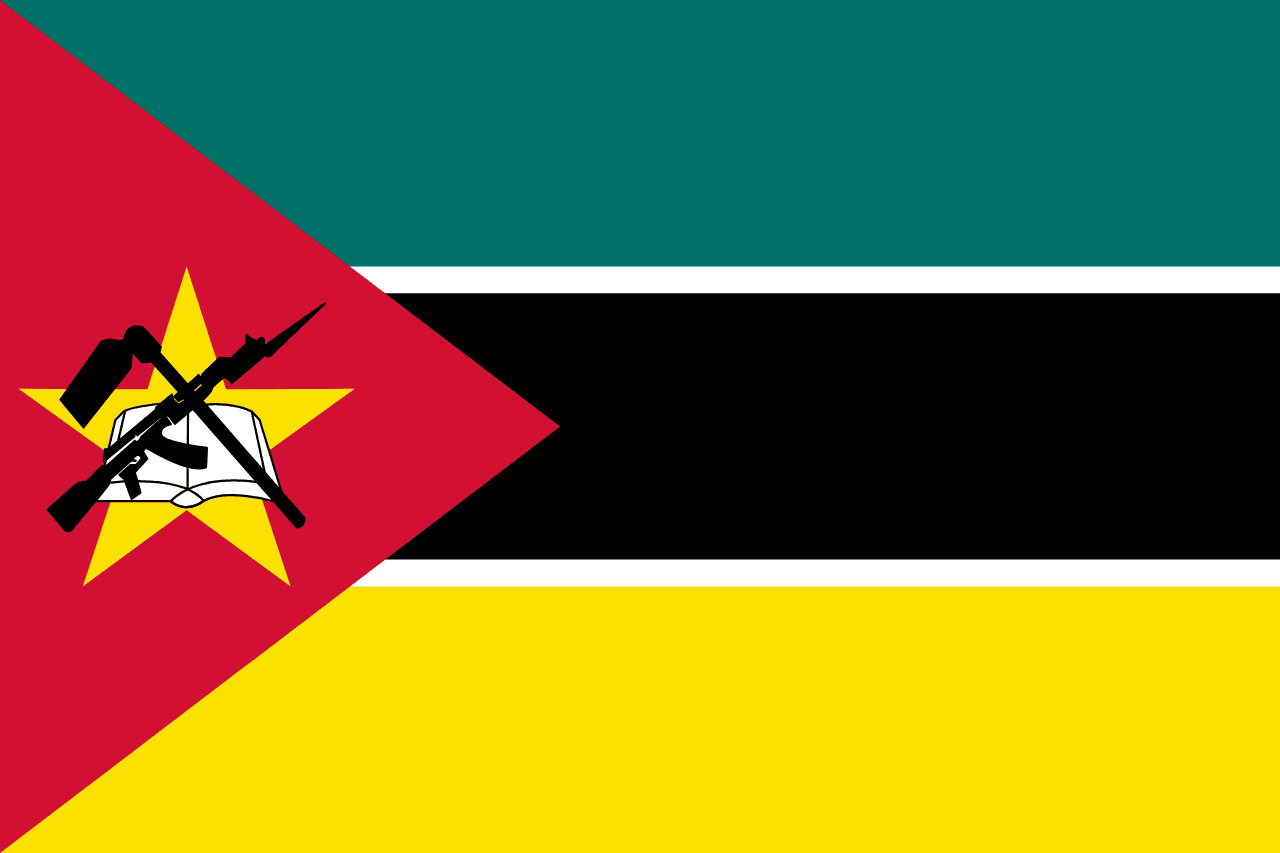
Living in Mozambique offers a unique blend of vibrant culture, stunning landscapes, and a pace of life that feels almost suspended in time. When I first arrived in this southern African nation, I was immediately struck not only by the breathtaking beaches along the Indian Ocean but also by the warmth of its people and the rhythm of daily life. Over the years, I’ve come to appreciate the nuances of what it means to live in Mozambique—a place where tradition and modernity coexist in a delicate balance.
The day-to-day life in Mozambique begins early, often with the sun rising around 5:30 AM. In urban areas like Maputo, the capital, the clamor of street vendors setting up their stalls fills the air. By 6 AM, the sounds of sizzling oil and chatter from the nearby markets create a lively atmosphere. Daily life is punctuated by the scent of fresh bread, coffee, and the sound of cicadas announcing the arrival of a new day. For those who can afford it, breakfast might consist of a plate of “papo seco,” a soft bread roll, served with butter and a cup of strong black coffee, which costs around 50 meticais (approximately $0.80). For most locals, breakfast is more likely to be a bowl of “matapa,” a dish made from cassava leaves, peanuts, and coconut milk, often served with rice or “xima,” a cornmeal porridge.
The cost of living in Mozambique can be surprisingly varied. In the capital, you can expect to pay around 25,000 meticais ($400) for a modest two-bedroom apartment in a decent neighborhood. Utilities, including electricity and water, may add another 2,500 meticais ($40) to the monthly budget. However, if you venture outside the city, living costs can drop significantly. In smaller towns, a similar apartment might only cost around 10,000 meticais ($160). Food prices are generally low, with local markets offering fresh produce at a fraction of what you’d pay in Western countries. A kilogram of tomatoes costs about 30 meticais ($0.50), and fresh fish caught that morning can be bought for as little as 100 meticais ($1.60).
Food culture in Mozambique is a vibrant tapestry woven with indigenous traditions and influences from Portuguese colonization. Mozambican cuisine is characterized by its use of fresh ingredients, seafood, and spices. One cannot discuss food without mentioning “piri-piri,” a spicy chili sauce that adorns many local dishes, especially grilled chicken. The iconic “peri-peri chicken” is a must-try, often enjoyed with a side of fried plantains or a salad. Eating out at a local restaurant can set you back around 500 meticais ($8) for a hearty meal, and if you’re lucky, you might find a beachside café serving “caranguejo” (crab) with a refreshing coconut drink, a real treat after a long day.
Social customs in Mozambique are deeply rooted in family and community. Greeting is an essential part of daily interactions. You’ll hear phrases like “Olá, tudo bem?” (Hello, how are you?) exchanged frequently, often accompanied by a handshake or a warm hug. Respect for elders is paramount, and addressing someone properly—using titles such as “senhor” or “senhora”—is a sign of respect that is expected. Community gatherings are common, whether for a birthday, wedding, or just a casual get-together, and they are often accompanied by music and dance. Traditional dances like “xigubo” and “marrabenta” showcase the cultural heritage of the various ethnic groups, creating a sense of belonging among participants.
Family life in Mozambique is central to the social structure. Extended families often live together, supporting one another not just emotionally but financially. The matrilineal system is prevalent in many communities, where inheritance and family name pass through the mother. Children are cherished, and often raised collectively by relatives. Education is valued, but in rural areas, access to quality schooling remains a challenge. Many parents aspire to provide their children with opportunities to succeed, understanding that education is a pathway to a better life.
Work culture in Mozambique is a mix of formal and informal settings. In larger cities, you’ll find a growing number of businesses, NGOs, and multinational corporations, offering employment opportunities. However, the informal economy dominates, with many people selling goods on the streets or providing services like hairdressing or carpentry. A typical workday might begin around 8 AM and end by 5 PM, though flexibility is often accepted. Punctuality may not hold the same weight here as it does in other cultures, leading to a more relaxed atmosphere.
Weekends in Mozambique are a cherished time for many. The workweek is often intense, so locals make the most of their days off. Many families head to the beach, especially during the summer months, which run from November to April. Beaches like Tofo and Ponta do Ouro draw crowds for sunbathing, swimming, and enjoying fresh seafood from local vendors. It’s common to see families setting up barbecues, grilling fish or chicken over open fires, accompanied by laughter and music. For those who prefer more urban entertainment, Maputo offers a lively nightlife scene with bars, clubs, and music venues that showcase local talent. The sounds of “marrabenta” music spill into the streets, drawing people in to dance and socialize.
Weather in Mozambique plays a pivotal role in shaping daily life. The country experiences a tropical climate, with a rainy season between November and March that brings heavy downpours and humidity. During this time, the landscape transforms into a lush green paradise, but the heat can be intense, often reaching temperatures above 30°C (86°F). However, the rains also bring challenges, including flooding and the potential for tropical storms. In contrast, the dry season from April to October sees cooler temperatures, making it an ideal time for outdoor activities and travel. Many locals take advantage of this season to explore the country’s breathtaking landscapes, including the stunning Quirimbas Archipelago and Gorongosa National Park.
Living in Mozambique is not without its challenges. Infrastructure issues remain prevalent, particularly outside major cities. Roads can be bumpy and poorly maintained, making transportation a daunting task. Access to healthcare can be limited in rural areas, leading many to rely on local remedies or traditional healers. Additionally, economic disparities are evident, with a significant portion of the population living in poverty. While urban areas are experiencing growth, many rural communities still struggle to access basic services.
Yet, amidst these challenges, living in Mozambique is also filled with positives. The resilience of the people is inspiring; despite hardships, there is an undeniable spirit of hope and community. Many locals are incredibly hospitable, always willing to share their food and stories. The sense of community and connection among neighbors is palpable, fostering an environment where everyone feels welcome.
Foreigners moving to Mozambique often express surprise at the contrasts present in daily life. The fusion of cultures—African, Portuguese, and even Indian—creates a melting pot that is both fascinating and enriching. People are often taken aback by the openness and warmth of Mozambicans, who are quick to include newcomers in their social circles. The pace of life is another shock; time seems to stretch in a way that encourages relaxation and connection rather than the frenetic rush typical of urban centers elsewhere.
In conclusion, living in Mozambique is like stepping into a world where the past and present intertwine beautifully. It’s about savoring food that tells stories of tradition, embracing community ties, and finding joy in the simplicity of life. Whether it's the laughter of children playing in the streets, the taste of a delicious meal, or the warmth of a friendly greeting, every moment offers a glimpse into the heart and soul of this extraordinary country. For anyone willing to embrace its rhythm, Mozambique reveals itself not just as a place to live but as a vibrant tapestry of experiences waiting to be woven into the fabric of everyday life.