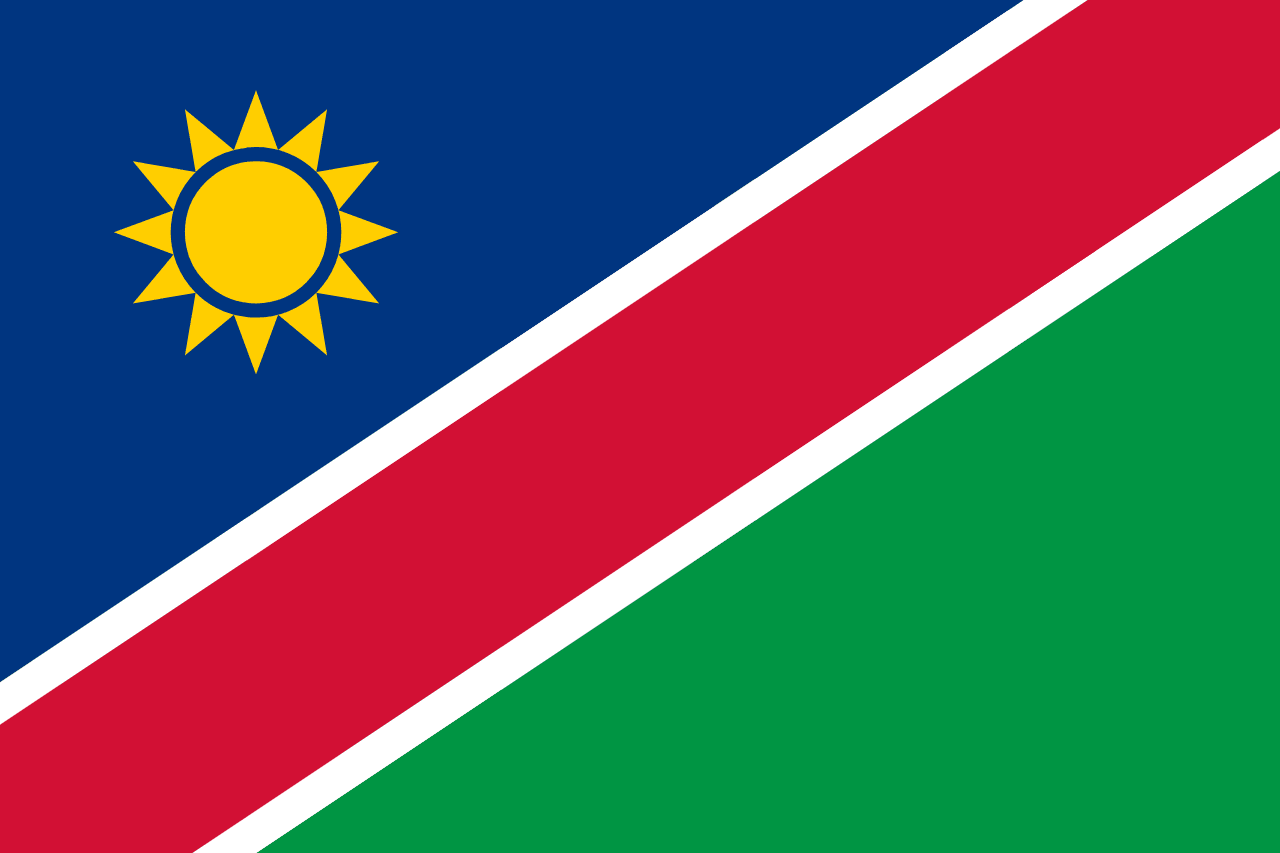
Namibia, a country renowned for its dramatic landscapes and diverse wildlife, often captures the imagination of travelers drawn to the iconic sights of Etosha National Park and the dunes of Sossusvlei. While these highlights are nothing short of spectacular, they only scratch the surface of what this enchanting land has to offer. For those willing to venture off the well-trodden path, Namibia is teeming with hidden gems—places that remain untouched by the crowds and reveal the raw, unfiltered beauty of the country. This guide will introduce you to lesser-known destinations, vibrant local cultures, and unforgettable experiences that will enrich your journey beyond the mainstream attractions.
One such hidden gem is the quaint village of Kolmanskop, located just outside the coastal town of Lüderitz. Once a thriving diamond mining town in the early 1900s, Kolmanskop has since been reclaimed by the desert. Visitors can wander through its empty buildings, now half-buried in sand, and marvel at the juxtaposition of human ingenuity against the relentless forces of nature. The ghost town is a photographer's dream, offering stunning contrasts between the blue sky and ochre sand. To reach Kolmanskop, drive from Lüderitz for about 10 kilometers, and be sure to book a guided tour to gain insight into the town's history and the diamond rush that once defined it.
From the desolate beauty of Kolmanskop, head east to the stunning Fish River Canyon, one of the largest canyons in the world. While many travelers flock to the edge for the breathtaking views, few take the time to hike the canyon itself. The Fish River Canyon offers a challenging multi-day trek that showcases the area's rugged beauty, with dramatic cliffs, ancient rock formations, and a rich variety of flora and fauna. The best time to visit for hiking is during the cooler months, from May to September. To get there, head south from Keetmanshoop, and you’ll find well-marked trails that will lead you into the heart of this geological marvel.
For culture enthusiasts, the town of Tsumeb in the Oshikoto Region provides a glimpse into everyday Namibian life. Often overlooked, Tsumeb is a hub of cultural diversity, home to various ethnic groups, including the Herero, Damara, and Ovambo. The town boasts a vibrant market and several local eateries where you can savor traditional dishes like kapana (grilled meat) and mopane worms. Don’t miss the chance to visit the Tsumeb Museum, which showcases the town's mining history and the rich mineral deposits of the region. Tsumeb is easily accessible via a well-maintained road from Windhoek, making it an ideal stopover for those traveling north toward Etosha.
Venturing further north, the village of Epupa Falls offers an idyllic escape into nature. Nestled along the border with Angola, this stunning series of waterfalls cascades through a palm-fringed gorge, creating a serene oasis in the arid landscape. Visitors can enjoy a variety of activities, including hiking, swimming, and cultural interactions with the Himba people, who are known for their striking traditional dress and rich customs. To reach Epupa Falls, drive from Opuwo along the C43 road, where you’ll be treated to breathtaking views and the chance to spot wildlife along the way.
If you’re seeking a more offbeat adventure, consider visiting the Namib Desert’s lesser-known areas, such as the NamibRand Nature Reserve. While Sossusvlei may get all the glory, the NamibRand offers an equally stunning landscape with far fewer tourists. Here, you’ll find rolling dunes, salt pans, and picturesque mountain ranges, perfect for stargazing under the pristine night sky. The reserve is home to various wildlife, including oryx and springbok, and is a haven for birdwatchers. To access the reserve, enter from the C27 road, and consider staying at one of the eco-friendly lodges, which often offer guided tours and activities to explore the area.
As you make your way through Namibia, don’t miss the opportunity to experience the unique culture of the San people in the Kalahari Desert. This ancient hunter-gatherer community offers an insight into a way of life that has existed for thousands of years. Visitors can take part in guided walks, where San guides share their extensive knowledge of the landscape, including how they track animals and identify edible plants. This immersive experience not only supports the local community but also fosters a deeper appreciation for the environment. To reach the Kalahari, travel southeast from Windhoek, and consider spending a night or two in a lodge that hosts cultural experiences with the San.
Another fascinating destination is the coastal town of Swakopmund, which often serves as a launching pad for adventure seekers. While many rush through for activities like sandboarding and quad biking, few take the time to explore its lesser-known gems. The Swakopmund Jetty, for instance, is a fantastic spot for a leisurely stroll, offering panoramic views of the Atlantic Ocean. Nearby, the local craft market and the Swakopmund Museum provide insight into the town's colonial history and local culture. To truly experience the area, consider taking a guided tour of the nearby Namib Naukluft National Park, where you can explore the unique landscapes and wildlife that define this region.
For the culturally curious, the town of Otjiwarongo is a hidden treasure located in the Otjozondjupa Region, known for its vibrant arts and crafts scene. This charming town is home to the Cheetah Conservation Fund, where visitors can learn about the organization’s efforts to protect these magnificent animals. Additionally, local markets and craft shops offer a chance to purchase authentic Namibian handicrafts, from beaded jewelry to woven baskets. Otjiwarongo is easily accessible from Windhoek, making it an excellent stop for those interested in combining wildlife conservation with cultural experiences.
Lastly, no journey through Namibia would be complete without experiencing the unique atmosphere of the Windhoek January Festival. This vibrant event celebrates Namibian culture through music, dance, and local cuisine. Held at various venues throughout the city, it showcases the rich traditions of Namibia’s diverse communities. Attending this festival will give you an authentic taste of the country’s cultural tapestry and an opportunity to mingle with locals. Windhoek is easily reached by air or road from various parts of the country, making it a convenient start or end point for your Namibian adventure.
As you explore the hidden gems of Namibia, remember a few practical tips to enhance your experience. First, always respect local customs and seek permission before photographing people, especially in rural areas. Learning a few phrases in Oshiwambo or Afrikaans can also go a long way in building rapport with locals. When traveling between destinations, keep an eye on road conditions, and consider renting a 4x4 vehicle for better access to remote areas. Finally, never underestimate the power of spontaneity—sometimes, the best experiences come from veering off your planned itinerary and following the recommendations of the locals.
In conclusion, Namibia is a land of contrast and beauty that extends far beyond its famous landmarks. By exploring its hidden gems and immersing yourself in the local culture, you’ll discover a side of Namibia that few tourists experience. This country, with its stunning landscapes and rich traditions, invites the adventurous traveler to delve deeper into its heart, where the true essence of Namibia awaits. So pack your bags, embrace the unknown, and prepare for a journey that promises to leave you with unforgettable memories and stories to share for years to come.