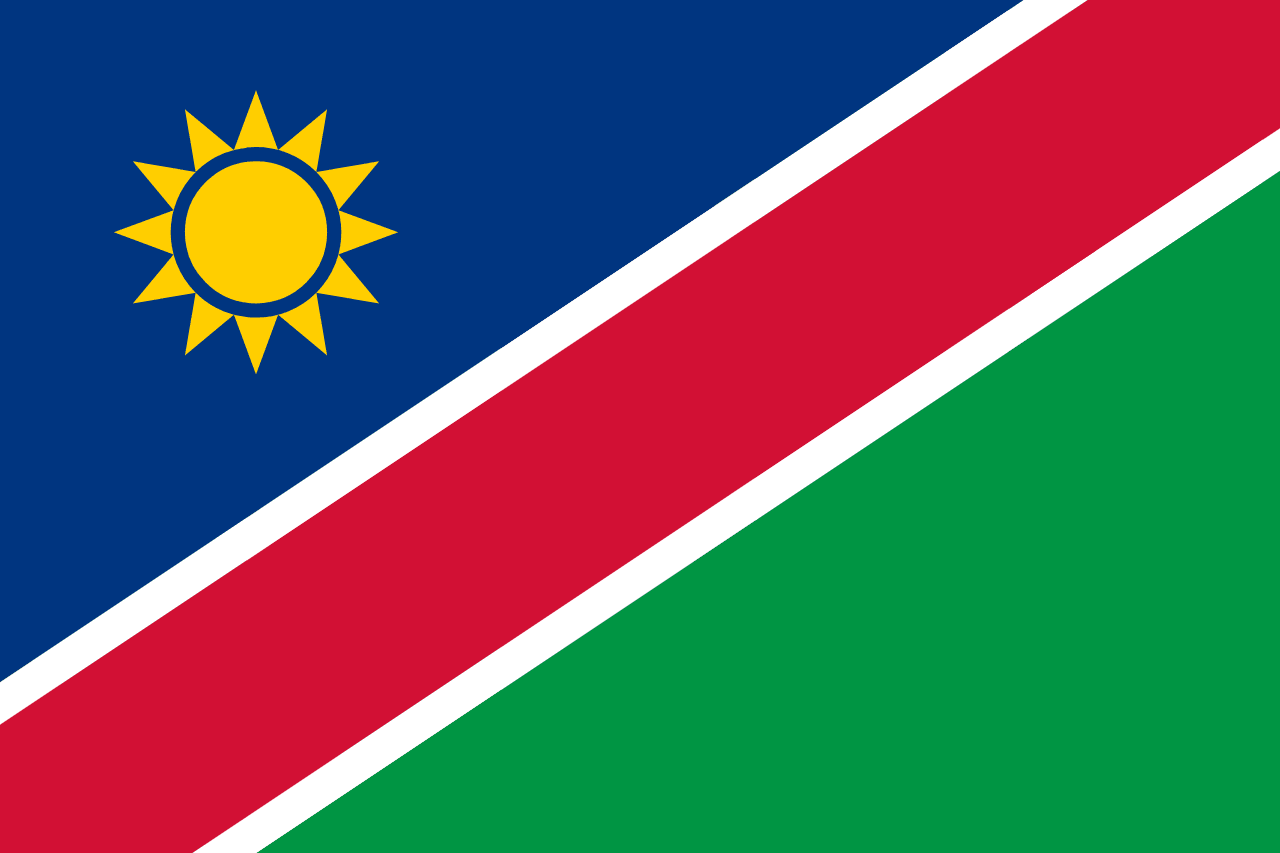
As I stepped off the plane in Windhoek, Namibia's vibrant capital, the air was rich with promise. The bustling streets seemed to hum with stories waiting to be tasted, a tantalizing preview of the culinary adventure that lay ahead. Namibia, a country of breathtaking landscapes—from the stark, rugged beauty of the Namib Desert to the lush wetlands of the Caprivi Strip—boasts a culinary culture as diverse as its scenery. The rich tapestry of Namibian cuisine reflects its myriad ethnic groups, each with their unique flavors and cooking traditions. In this post, I’ll take you on a journey through ten traditional dishes that encapsulate the essence of Namibia's food culture, each mouthful telling a story of heritage and hospitality.
First on my list is **Biltong**. This iconic snack is a must-try for anyone visiting Namibia. Made from lean cuts of meat, typically beef or game, biltong is seasoned with a blend of salt, vinegar, and spices before being air-dried to perfection. Each bite delivers a chewy texture and a burst of savory flavor that dances on your tongue. You can find biltong at local markets or street stalls, often sold by friendly vendors who can recommend their favorite varieties. There's a delightful ritual to snacking on biltong here, often enjoyed with a cold drink while relaxing with friends under the African sun.
Next up is **Potjiekos**, a hearty stew that’s a celebration of community and cooking traditions. The name itself means "small pot food" in Afrikaans, and it's often cooked outdoors in a cast-iron pot over an open fire. Ingredients can vary but typically include meat (beef, chicken, or lamb), root vegetables like potatoes and carrots, and a medley of spices. The slow cooking allows the flavors to marry beautifully, resulting in a rich, aromatic dish. You’ll often find potjiekos served at family gatherings or community events, where the smoky aroma wafts through the air, drawing people together to share in the warmth of good food and fellowship.
One cannot speak of Namibian cuisine without mentioning **Kapana**, the country's beloved street food. This dish features grilled meat, typically beef, skewered and cooked over open flames, often accompanied by spicy chili sauce and a sprinkling of coarse salt. The meat is tender and smoky, and the chili sauce adds a delightful kick. Kapana is best enjoyed at street markets such as the popular Stellenbosch Street Market in Windhoek, where vendors set up stalls, and the atmosphere buzzes with excitement. As you bite into the juicy meat, you can’t help but savor the camaraderie of the crowd around you, each person united by their love for this simple yet flavorful snack.
An essential staple in Namibian homes is **Mahangu**, a type of millet that holds deep cultural significance for many Namibians, particularly the Ovambo people. This grain is often ground into flour and cooked into a thick porridge known as **Oshifima**. The taste is mildly nutty and slightly grainy, serving as a perfect accompaniment to rich stews or sauces. Eating oshifima is more than just a meal; it’s a connection to the land and ancestral traditions. You can find it in local eateries or enjoy a home-cooked version at a traditional welcome ceremony, where friends and family gather to share food and stories.
Another dish that showcases Namibia's culinary diversity is **Oshua**, a traditional fish dish primarily eaten in the coastal regions. The fish, often caught fresh from the Atlantic, is marinated with local spices and then either grilled or fried. The result is a succulent dish with a crispy exterior and a tender, flaky inside. Served with a side of pap (a cornmeal porridge) and a zesty salsa, Oshua is a delight. It’s common to find this dish in coastal towns like Swakopmund, where seafood is abundant, making it a perfect way to enjoy the ocean's bounty while soaking in the stunning coastal views.
Moving inland, we encounter **Omaere**—a delightful traditional drink made from fermented milk. This refreshing, slightly sour beverage is often enjoyed alongside meals and is celebrated for its nutritional value. Omaere has deep roots in Namibian culture, often made at home and shared during community gatherings. The taste is reminiscent of yogurt but with a unique tanginess that reflects the environment it comes from. You can typically find it in rural homes, where it’s served in traditional calabashes, fostering a sense of community and sharing.
As I traveled further, I was introduced to **Kudu Stew**. Kudu, a type of antelope, is treasured for its lean and flavorful meat, which is often slow-cooked into a rich stew. The meat absorbs the spices and herbs, resulting in a dish that is both hearty and comforting. Often served with rice or pap, Kudu stew is a favorite among locals and represents the rich wildlife that Namibia is known for. You might find this dish in upscale restaurants or at lodges that pride themselves on offering authentic Namibian cuisine, where you can enjoy a taste of the wild in a refined setting.
A less common, but equally fascinating dish is **Braaivleis**, which translates to "grilled meat”. This is not just a dish but a cultural event, where friends and family gather around a fire to grill an assortment of meats, including boerewors (a type of sausage), steak, chicken, and even game. The meat is often marinated with spices and served with sides like potato salad, coleslaw, and braai bread. The communal aspect of braaivleis makes it special, an occasion filled with laughter, stories, and a true sense of togetherness. You can experience braaivleis at almost any Namibian braai party, or at local restaurants that specialize in grilled meats.
Finally, I savored **Vetkoek**, a delicious fried dough bread traditionally stuffed with savory fillings like minced meat, or enjoyed with sweet toppings like jam or honey. Its name means “fat cake” in Afrikaans, reflecting its deep-fried origins. The outside is crispy, while the inside is fluffy, making it a perfect comfort food. You can find vetkoek at street kiosks or local bakeries, where the warm, inviting aroma beckons you to indulge. It’s a versatile dish that can be enjoyed any time of day, whether as a snack or a hearty meal.
To wrap up this delicious journey through Namibian cuisine, it’s essential to know where to find the best food. Local markets, such as the Namibia Craft Centre in Windhoek, offer a variety of traditional dishes prepared by passionate vendors eager to share their recipes and stories. Street stalls are another fantastic option, where you can sample fresh kapana or vetkoek while mingling with locals. Restaurants like Joe’s Beerhouse in Windhoek provide a cozy ambiance and a menu brimming with traditional Namibian dishes, making it a great place to feast on kudu stew or potjiekos.
As I reflect on my culinary adventure through Namibia, I realize that every dish is a celebration of the country's rich cultural heritage. Each bite tells a story, connecting me to the people, their traditions, and the vast landscapes that shape their lives. Namibian cuisine isn’t just about the food; it’s about community, history, and the shared joy of coming together over a good meal. So, if you ever find yourself in this stunning country, make sure to indulge in these ten dishes—your taste buds will thank you!