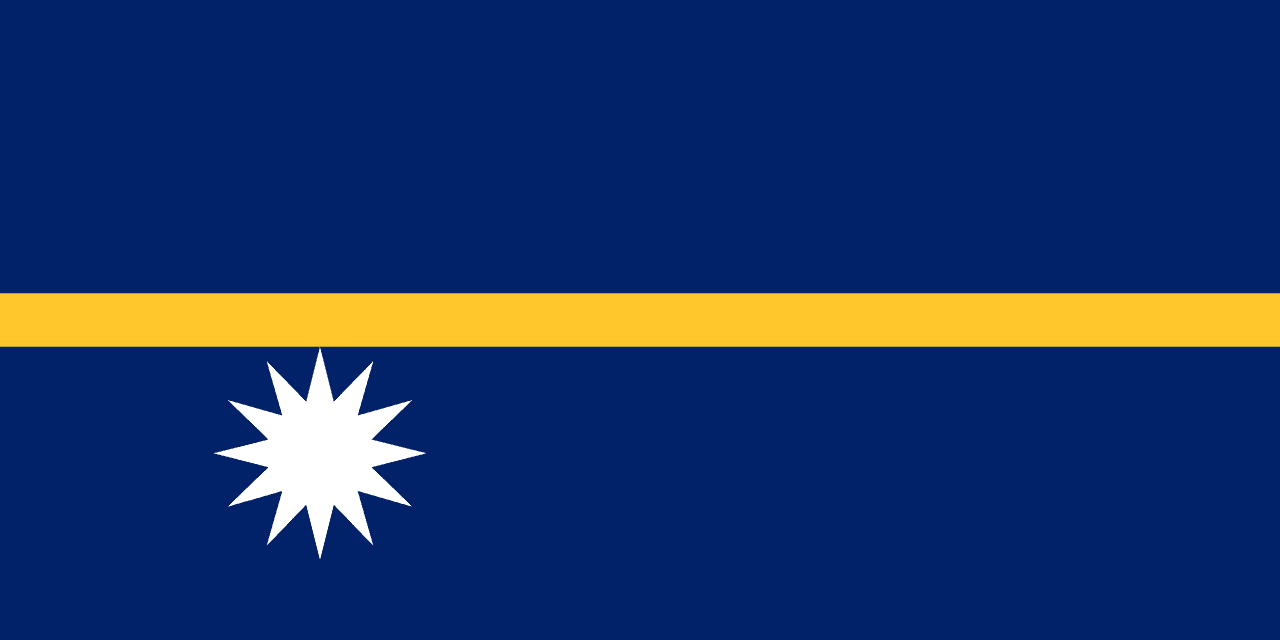
Nauru: The World's Smallest Republic and Its Cautionary Tale
🌐 Translate:
Nauru is 21 square kilometres — the world's smallest island nation — and the site of one of history's most dramatic and complete economic disasters. The island was covered with phosphate rock deposited over millennia by seabird droppings, and when this was discovered to be extraordinarily valuable as fertiliser, mining began in the early 20th century under German and then Australian administration. Nauru's independence in 1968 came with enormous phosphate revenues that briefly made it one of the wealthiest countries per capita on earth.
By 1989, the phosphate was running out. The Nauruan government had invested the revenues in a portfolio of foreign assets — hotels, real estate, a musical in London's West End — managed with dramatic incompetence, and most was lost to mismanagement, failed investments, and corruption. The island itself was 80 percent strip-mined — a moonscape of coral pinnacles stripped of all vegetation and topsoil. When the phosphate ended, Nauru had almost nothing: no industry, no agriculture, no tourism, and a population with a Western-style diet and consumption pattern that had no local economic foundation.
Nauru has survived through Australian aid in exchange for hosting an offshore immigration detention centre, and through the registration of foreign businesses and ships. The island is now working to restore vegetation to the mined plateau and develop food sovereignty. The story of Nauru is the story of resource extraction compressed into one small island, told without mitigation.