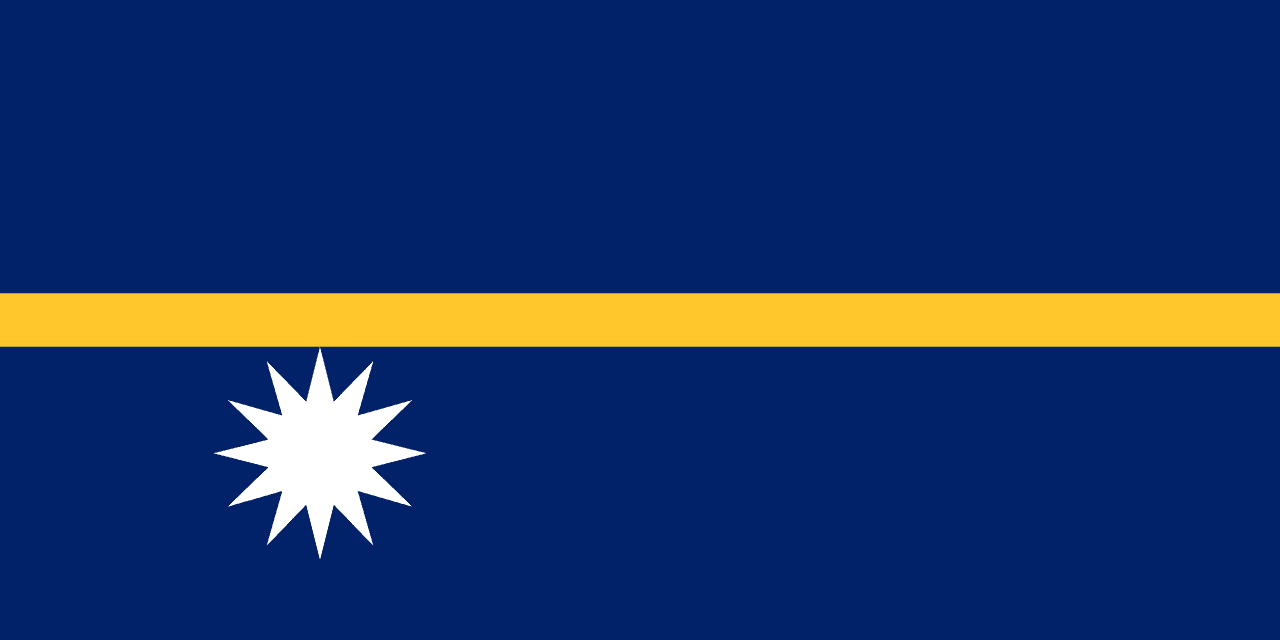
**The History of Nauru: From Ancient Times to Today**
Nestled in the heart of the Pacific Ocean, Nauru is a tiny, oval-shaped island that packs a punch in terms of its rich and tumultuous history. With an area of just 21 square kilometers, it is one of the smallest countries in the world, but its story is as sprawling and complex as the ocean that surrounds it. From its ancient inhabitants to its colonial past and present-day challenges, the history of Nauru is a captivating narrative filled with resilience and transformation.
**Ancient and Indigenous History**
Long before the world took notice of its existence, Nauru was home to a vibrant and diverse indigenous population. The island’s earliest settlers are believed to have arrived around 3,000 years ago, drawing from a mix of Polynesian and Micronesian cultures. These early inhabitants, known as the Nauruans, developed a unique lifestyle that was intricately connected to the surrounding ocean and lush vegetation.
The indigenous people thrived on the island, engaging in fishing, farming, and gathering coconuts and pandanus. Nauru's geographic isolation fostered a strong sense of community and cultural identity. Nauru's traditional society was organized into clans, each with its own distinct roles, responsibilities, and customs. Oral traditions and storytelling played a crucial role in preserving the island's history and values, passed down through generations.
Yet, life on this small island was not without strife. The Nauruan population was engaged in inter-clan rivalries, leading to conflicts that shaped their social structure. Despite this, the islanders maintained a harmonious relationship with their environment. They revered their land and sea, which not only provided sustenance but also held spiritual significance.
**The Age of Exploration and Contact with the Outside World**
The first recorded contact with the outside world came in the 18th century when European explorers began to chart the Pacific. The American whaler Captain John Fearn arrived in Nauru in 1798, marking the beginning of a new era for the island. Over the following decades, European and American ships frequented its shores, attracted by the abundance of resources, particularly guano – a rich fertilizer made from bird droppings.
However, it was not until the 19th century that Nauru would experience a significant shift in its trajectory. In 1830, the island was visited by the British, who subsequently established a small trade in coconut oil and other goods. Nauru was becoming a pawn on a larger chessboard of imperial ambitions, as European powers began to carve out territories in the Pacific.
The arrival of these outsiders brought unintended consequences. With foreign influences came diseases to which the Nauruans had no immunity, drastically reducing their population. By the late 1800s, the indigenous culture faced pressures from both the encroaching settlers and the rapid changes in lifestyle, leading to a gradual erosion of traditional practices.
**Colonial Rule and the Guano Era**
In 1888, Nauru was declared a British protectorate. This marked the beginning of a period of intense exploitation. The island’s rich guano deposits attracted international attention, and the British quickly established control over the island's resources. In 1900, Nauru was annexed by Germany, becoming part of German New Guinea. Under German rule, the Nauruans were subjected to harsh labor conditions as they were forced to mine guano for export.
The arrival of World War I ushered in dramatic changes. In 1914, Australian forces occupied Nauru, leading to its annexation by Australia under the League of Nations mandate. The island's guano resources continued to be exploited, but the Nauruan population was often overlooked and marginalized. The islanders found themselves caught between the ambitions of colonial powers, and their voices became increasingly stifled.
**World War II and Its Aftermath**
The tides of history shifted once again during World War II. In 1942, Japanese forces invaded Nauru, and the island was used as a military base. The Nauruans suffered greatly during this period, as many were forced into labor to support the Japanese war effort. By the end of the war, the population had dwindled due to the twin devastations of conflict and disease.
After the war, Nauru came under United Nations trusteeship, administered by Australia, New Zealand, and the United Kingdom. The post-war era offered a glimmer of hope. Nauru's guano reserves were once again exploited, but this time, the islanders began to advocate for their rights. Nauruans sought to reclaim their identity and control over their land, signaling the beginnings of a national consciousness.
**Independence and Modern Formation**
The winds of change blew more favorably in the 1960s. Inspired by decolonization movements around the globe, Nauruans began organizing politically. Their aspirations culminated in a historic turning point — on January 31, 1968, Nauru gained independence, becoming a sovereign nation. The first President, Hammer DeRoburt, was a charismatic leader who championed the rights of his people and sought to build a nation that respected its cultural heritage while embracing modernity.
In the early years of independence, Nauru enjoyed an economic boom thanks to its phosphate mining industry. The resource was in high demand, and the island quickly became one of the wealthiest nations per capita in the world. This newfound wealth allowed for significant investments in infrastructure, education, and healthcare. However, the prosperity was not to last.
As phosphate deposits were depleted, the Nauruan economy began to falter. The reliance on a single resource created vulnerabilities, and the government struggled to adapt to changing circumstances. The environmental degradation from mining activities also had dire consequences, with much of the island rendered barren.
**Nauru Today: Challenges and Resilience**
Today, Nauru faces significant challenges as it grapples with the aftermath of its colonial legacy and the environmental impact of resource extraction. The island's economy is now heavily dependent on foreign aid, and its population of roughly 10,000 people is navigating the complexities of a globalized world.
In recent years, Nauru has gained international attention due to its role in refugee processing. In 2012, Australia established a controversial offshore detention center on the island as part of its immigration policy. This decision sparked debates about human rights and the treatment of asylum seekers, placing Nauru at the center of a complex geopolitical issue.
Yet, amid these challenges, the spirit of the Nauruan people remains unbroken. Cultural revival movements are flourishing, as the islanders work to reclaim their identity and heritage. Traditional practices, language, and crafts are being revitalized, fostering a sense of pride among the younger generations.
Nauru’s leaders are also striving to diversify the economy, exploring sustainable practices and tourism opportunities. Environmental preservation has become a priority, as the nation looks toward a future that balances economic development with ecological responsibility.
**Conclusion**
The history of Nauru is a tapestry woven with threads of resilience, struggle, and transformation. From its ancient roots to the challenges of modernity, the island’s story is one of survival against the odds. The indomitable spirit of the Nauruan people continues to shine brightly, offering hope for a future where their unique cultural heritage is preserved, and their voices are heard on the global stage. As Nauru navigates the complexities of modern life, it stands as a testament to the enduring power of identity, community, and the unyielding human spirit.