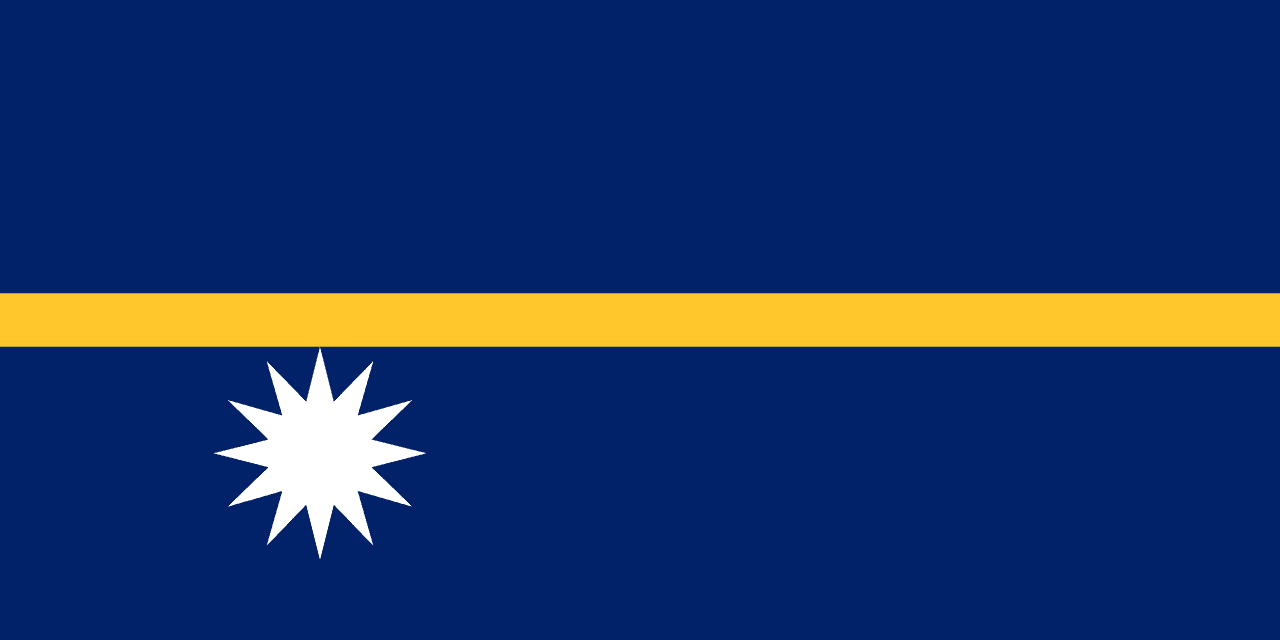
What It's Really Like to Live in Nauru
Nestled in the heart of the Pacific Ocean, Nauru is a tiny island nation that often flies under the radar of many travelers. With a land area of just 21 square kilometers and a population of about 10,000, it’s easy to assume life here is straightforward. However, living in Nauru unveils a tapestry of unique experiences, rich cultural nuances, and unexpected challenges that often leave lasting impressions on anyone who calls it home.
Daily life in Nauru is a blend of simplicity and complexity. The island is divided into various districts, with the capital, Yaren, serving as the central hub for many residents. Here, you’ll find a mix of government offices, schools, and local shops. Most locals start their days early, with the sun rising around 6 AM, bathing the island in a warm glow. A typical morning might involve a walk to the local market, where you can buy fresh fruits like bananas, coconuts, and papayas, which are staples in the Nauruan diet. Prices are often quite reasonable; for instance, you can pick up a dozen eggs for about AUD 5 or a bag of rice for AUD 10, making basic groceries accessible.
As the day unfolds, the island’s rhythm tends to slow down. Nauruans embrace a laid-back lifestyle, where time feels less pressured than in many urban settings. The local saying “Nauru time” reflects this relaxed attitude; it’s not uncommon for appointments or social gatherings to start later than planned. This isn’t seen as rudeness but rather as a cultural acceptance of the unhurried pace of life.
Food culture in Nauru is deeply intertwined with tradition and community. Local cuisine tends to be simple, emphasizing fresh ingredients. One of the beloved dishes is “baked fish,” often prepared with coconut cream and served alongside taro or sweet potatoes. You might find yourself at a communal barbecue on the beach, where families gather to share meals and stories. It’s not unusual for locals to invite newcomers to join them, showcasing the island’s warm sense of hospitality. The local market also features various imported goods, with items like instant noodles and canned goods being quite popular, reflecting a subtle influence of global culture.
Social customs in Nauru are marked by a strong sense of community and familial bonds. It’s common for people to greet one another with a warm “Good morning!” or “Nauru, morning!” in the local language, Nauruan. Family gatherings are frequent, and celebrating life’s milestones—like birthdays, weddings, and even the passing of a loved one—calls for communal support and shared meals. The Nauruan concept of “nibok” (family) is paramount, and you’ll often hear phrases like “nibok is everything” as a reminder of the importance of familial connections.
In terms of family life, Nauru is characterized by a close-knit structure. Many households are multigenerational, with grandparents, parents, and children living together or in close proximity. This setup not only strengthens familial ties but also fosters a sense of accountability and support among family members. The community functions as an extended family, where everyone looks out for each other, particularly in times of need. It’s heartwarming to see how children are raised with an understanding of their roles within the family and community, emphasizing respect and cooperation.
Work culture in Nauru is generally relaxed, albeit with a few unique challenges. The primary sectors of employment include government services, education, healthcare, and fishing. Many locals find jobs within the government or at the island’s few businesses, but opportunities can be limited. This often leads to a reliance on expatriates for skilled positions, creating a blend of local and foreign influences in the workplace. A typical workday might start at 8 AM and end around 4 PM, but don’t be surprised if breaks feel leisurely and discussions often extend beyond typical work matters. Work is interspersed with communal gatherings, where sharing a laugh or a meal is just as important as completing tasks.
Weekends in Nauru are a delightful blend of relaxation and cultural engagement. Many locals take advantage of the beautiful beaches, often spending Saturday afternoons swimming or playing beach volleyball. The island’s stunning coral reefs offer a playground for snorkeling enthusiasts, as vibrant marine life thrives just a short swim away. It’s not unusual to see families packing picnics and heading out for a day under the sun, complete with BBQ grills and plenty of laughter. Sundays hold a special significance for many Nauruans, who attend church services that are both a spiritual and community gathering. The hymns echoing through the churches resonate with a shared sense of faith and belonging that unites the island.
Weather plays a significant role in shaping life in Nauru. The island experiences a tropical climate, characterized by warm temperatures and high humidity year-round. Average temperatures hover around 28°C (82°F). However, the rainy season, which generally lasts from November to February, can bring heavy downpours and occasional storms. While these weather patterns are a part of life, they can also lead to disruptions in daily activities, particularly when heavy rains make roads impassable. The sun, on the other hand, is a constant presence, and you’ll often find locals enjoying outdoor activities in the cooler morning and evening hours to avoid the harsh midday heat.
Living in Nauru does come with its share of challenges. One of the most pressing issues is the limited availability of goods and services. Due to its isolation, many imported products come with a hefty price tag. For example, a simple bottle of shampoo might cost you AUD 10, while fresh vegetables—often imported—can be quite pricey as well. Despite the high costs, locals find ways to adapt. Community gardens are becoming more popular as families seek to grow their own produce, fostering a sense of self-sufficiency.
Another challenge is the limited access to healthcare and educational resources. While there are hospitals and clinics on the island, advanced medical services often require traveling to other countries. This can be daunting for those needing specialized care. Additionally, educational facilities may lack resources compared to those found in larger nations, prompting a reliance on online education and external scholarships for students seeking higher learning.
Yet, life in Nauru is filled with positives that often surprise newcomers. The sense of community is palpable, with the island’s small size fostering close relationships that are hard to replicate in larger cities. Neighbors often know each other well, and children can roam freely, safe in the knowledge that their community watches over them. The natural beauty of the island is breathtaking, with pristine beaches and lush greenery offering a tranquil escape from the busyness of urban life. Many residents develop a profound appreciation for their surroundings, often leading to a commitment to preserving the island’s environment.
Foreigners are often taken aback by the simplicity of life in Nauru. The absence of fast-paced lifestyles, extensive shopping malls, and constant connectivity can feel refreshing. Visitors may also be surprised by the friendliness of the locals, who are eager to share their culture and stories. Strangers often become friends over shared meals or casual conversations, building connections that transcend language barriers.
In conclusion, living in Nauru is an experience shaped by rich cultural traditions, community spirit, and the beauty of the island itself. While there are challenges—ranging from limited resources to the impacts of climate change—the warmth of the people, the simplicity of life, and the stunning landscapes create a unique environment that leaves a lasting impression. For those who embrace its quirks and revel in its communal spirit, Nauru offers a slice of paradise that is as enriching as it is unforgettable.