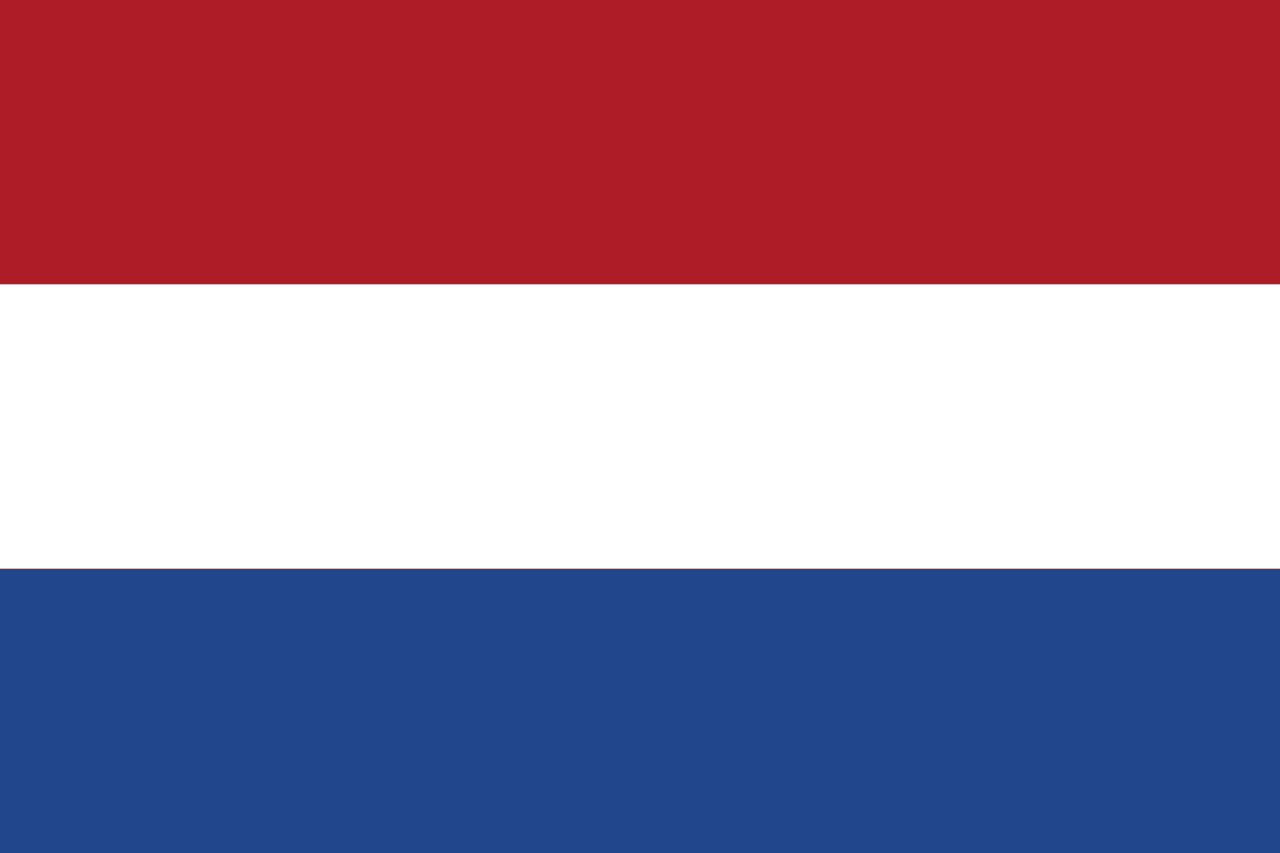
The History of Netherlands: From Ancient Times to Today
🌐 Translate:
# The History of Netherlands: From Ancient Times to Today
Nestled in the heart of Western Europe, the Netherlands is a country characterized by its picturesque canals, iconic windmills, and a culture woven with tales of resilience and innovation. However, to understand the Netherlands as it stands today, one must traverse its rich and multifaceted history—a journey that reveals a tapestry of ancient tribes, formidable empires, and an indomitable spirit that shaped its modern identity.
## Ancient and Indigenous History
The story of the Netherlands begins thousands of years ago, long before the rise of empires and kingdoms. In ancient times, the region was inhabited by various Celtic tribes, including the Frisii and the Cananefates. The land was characterized by its marshy terrain and extensive waterways, which would play a crucial role in the development of the Dutch way of life.
Around 50 BCE, the Romans arrived, led by Julius Caesar, who first encountered these tribes during his conquest of Gaul. The Romans sought to expand their empire, and the tribes of the Netherlands presented both challenges and opportunities. They established the province of Germania Inferior, constructing roads and forts, with the most notable being the fort at Nijmegen, one of the country's oldest cities. However, by the end of the 3rd century, as the Roman Empire waned, the region fell into disarray, leading to the decline of Roman influence.
## The Rise of Powerful Kingdoms
Following the fall of the Roman Empire, the Netherlands became a patchwork of tribes and small kingdoms, notably the Franks, who played a pivotal role in shaping early medieval Europe. The Frankish king, Charlemagne, known for his conquests and efforts to unite much of Western Europe, ruled over the Netherlands in the late 8th century. His reign heralded a period of cultural revival, leading to the Carolingian Renaissance, which fostered learning and the arts.
With the fragmentation of Charlemagne’s empire after his death, the Netherlands saw the rise of local nobility. The region transitioned into a feudal society, with power concentrated among counts and dukes. The Count of Holland, in particular, emerged as a significant player during this period. By the 12th century, the Counts of Holland, through strategic marriages and alliances, expanded their influence across the Low Countries, paving the way for the emergence of a more unified political entity.
## The Golden Age and the Dutch Republic
Fast forward to the late 16th century; the Netherlands found itself at a historical crossroads. The Eighty Years’ War (1568-1648) against Spanish Habsburg rule marked the beginning of a revolutionary chapter in Dutch history. This conflict was fueled by a desire for religious freedom—Protestants vying against the Catholic dominance—and a growing sense of national identity. The war’s notable figure, William of Orange, became a symbol of resistance and unity, leading the charge for independence.
In 1581, the northern provinces formally declared their independence from Spain, establishing the Dutch Republic—a bold move that set the stage for a remarkable period known as the Dutch Golden Age. This era, spanning the 17th century, witnessed an explosion of trade, science, and culture. The Dutch East India Company, founded in 1602, became the world's first multinational corporation, dominating spice trade routes in Asia. Cities like Amsterdam flourished, transforming into a hub of commerce, arts, and innovation.
The Golden Age was also marked by extraordinary achievements in the arts. Renowned painters such as Rembrandt and Vermeer captured the essence of Dutch life, while philosophers like Spinoza and Huygens pushed the boundaries of thought. The Dutch were not only extraordinary merchants but also pioneers in fields such as cartography and navigation, contributing significantly to the Age of Exploration.
## Colonial Ambitions and Global Influence
As the 17th century progressed, the Netherlands expanded its colonial ambitions across the globe. From the Caribbean to parts of Africa, Asia, and South America, the Dutch established colonies and trading posts, including New Amsterdam (present-day New York) and Batavia (modern Jakarta). The legacy of this colonial era remains evident in the cultural diversity and historical connections that continue to shape the Netherlands today.
However, colonial endeavors came at a significant cost. The exploitation of overseas territories often involved brutal practices and conflicts with indigenous populations. The ethical implications of colonialism are still relevant in contemporary discussions around race, identity, and reconciliation.
## The Decline and Restoration
The 18th century brought about a decline in Dutch hegemony. The rise of powerful rivals like England and France, compounded by wars and economic challenges, gradually diminished the influence of the once-mighty Dutch Republic. The Napoleonic Wars further complicated matters, as the Netherlands fell under French control from 1795 to 1813. During this tumultuous period, the Dutch monarchy was temporarily abolished, and the kingdom was restructured, leading to the eventual establishment of the Kingdom of the Netherlands in 1815.
King William I, the first monarch of this newly formed kingdom, sought to modernize the nation by investing in infrastructure, education, and industry. Yet, the unification of the northern and southern provinces proved challenging, particularly due to linguistic and cultural differences. The southern provinces would eventually gain independence, forming Belgium in 1830.
## The Industrial Revolution and World Wars
The 19th century heralded the Industrial Revolution, bringing profound changes to Dutch society. Urbanization accelerated as people flocked to cities for work, leading to the growth of industries such as textiles and shipbuilding. However, these advancements came with social challenges, including labor exploitation and poor living conditions. The rise of socialism and labor movements began to address these issues, laying the groundwork for social reforms that would shape modern Dutch society.
As the 20th century unfolded, the Netherlands faced yet another turning point with the onset of World War I. Although the Dutch remained neutral during the conflict, the subsequent economic repercussions profoundly affected the nation. However, it was World War II that left an indelible mark on the Netherlands. The Nazi occupation from 1940 to 1945 was marked by brutality, resistance movements, and the persecution of the Jewish population—a tragic chapter in Dutch history that culminated in the loss of approximately 75,000 Dutch Jews.
The post-war period saw a remarkable resurgence. The Netherlands played a significant role in European integration, contributing to the formation of international organizations such as NATO and the European Economic Community (EEC), which later evolved into the European Union (EU). The Dutch embraced social welfare, education, and progressive policies, emerging as a beacon of liberalism and innovation in Europe.
## The Netherlands Today
Today, the Netherlands is a constitutional monarchy known for its high standard of living, robust economy, and commitment to human rights. The nation’s geography, with its intricate canal systems and windmills, reflects centuries of ingenuity in land reclamation and water management. The Dutch have mastered the art of living with water, a necessity in a country where much of the land lies below sea level.
Culturally, the Netherlands is a vibrant mosaic of traditions, art, and philosophy. The annual King's Day celebrations, the colorful tulip festivals, and the world-renowned museums are just a few examples of the rich cultural landscape that continues to thrive.
Politically, the Netherlands remains a key player in global affairs, often championing progressive policies on climate change, social justice, and international diplomacy. Its commitment to LGBTQ+ rights, drug policy reform, and sustainability underscores the Dutch ethos of tolerance and innovation.
## Conclusion
The journey through Dutch history is one of transformation and resilience—a narrative woven through ancient tribes, revolutionary struggles, and a spirit of exploration that resonates to this day. From its humble beginnings to its status as a global leader, the Netherlands embodies a story of adaptation and progress. As the country continues to embrace the future, it carries with it the lessons of its past—a testament to the enduring spirit of its people. The Netherlands, with its rich heritage and forward-thinking mindset, stands not just as a geographical entity but as a vibrant tapestry of human experience, shaping the course of history for generations to come.