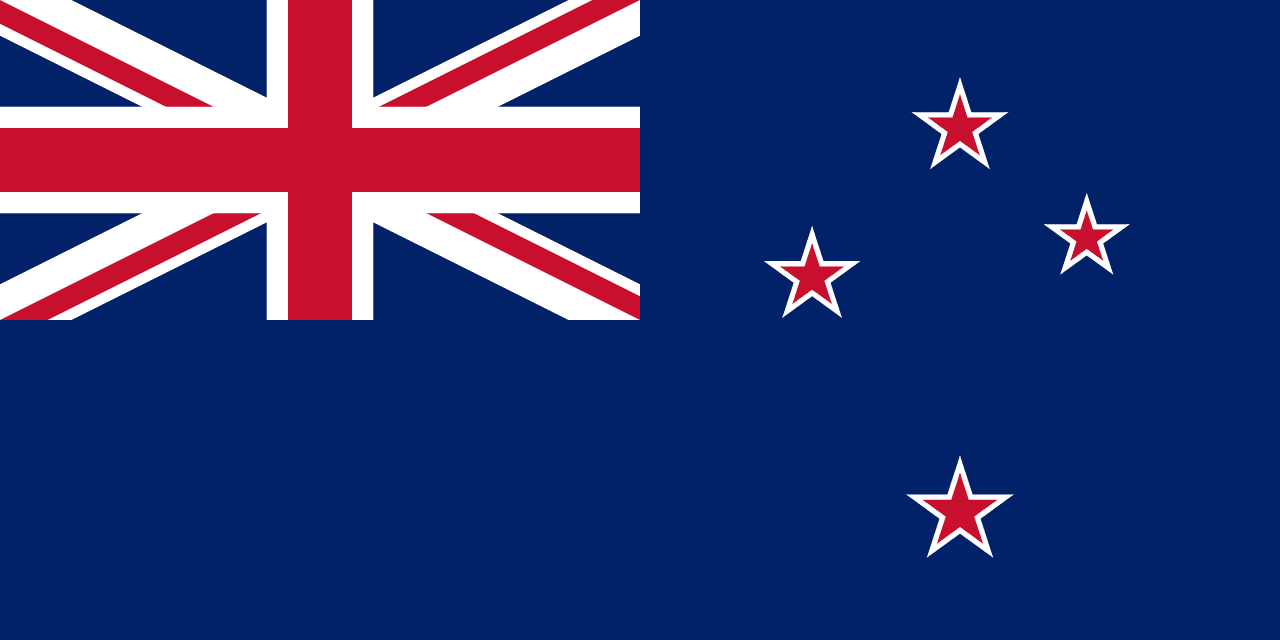
New Zealand: The Haka, the Hobbit and the Country at the Edge of the World
🌐 Translate:
New Zealand is among the last landmasses on earth to have been settled by humans — the Māori arrived from Polynesia approximately 700 years ago and were the only inhabitants until European contact in the 18th century. The geological youth of the islands — still being formed by volcanic and tectonic activity — combined with that recent human settlement means New Zealand's landscape retains a wildness that older-settled countries have long since modified. About a third of the country is protected as national park or conservation land.
The haka — the ceremonial dance of the Māori people, performed with stomping, tongue protrusion, eye widening, and rhythmic chanting — is used in contexts that range from welcoming important guests to challenging opponents before battle. The New Zealand All Blacks performing the haka before each rugby match brought it to global awareness, but the haka belongs to Māori culture in a way that the All Blacks have borrowed rather than owned. Different iwi — tribes — have their own haka, with their own histories and meanings. The Ka Mate, most commonly seen, was composed in the early 19th century by the chief Te Rauparaha.
Māori language — te reo Māori — is one of New Zealand's official languages and has undergone an extraordinary revival over the past thirty years after near-extinction. Kura Kaupapa Māori — immersion schools where instruction is entirely in te reo — have produced a generation of fluent young speakers. Place names throughout New Zealand are being rendered in te reo alongside English. The language is not merely surviving. It is being actively restored.