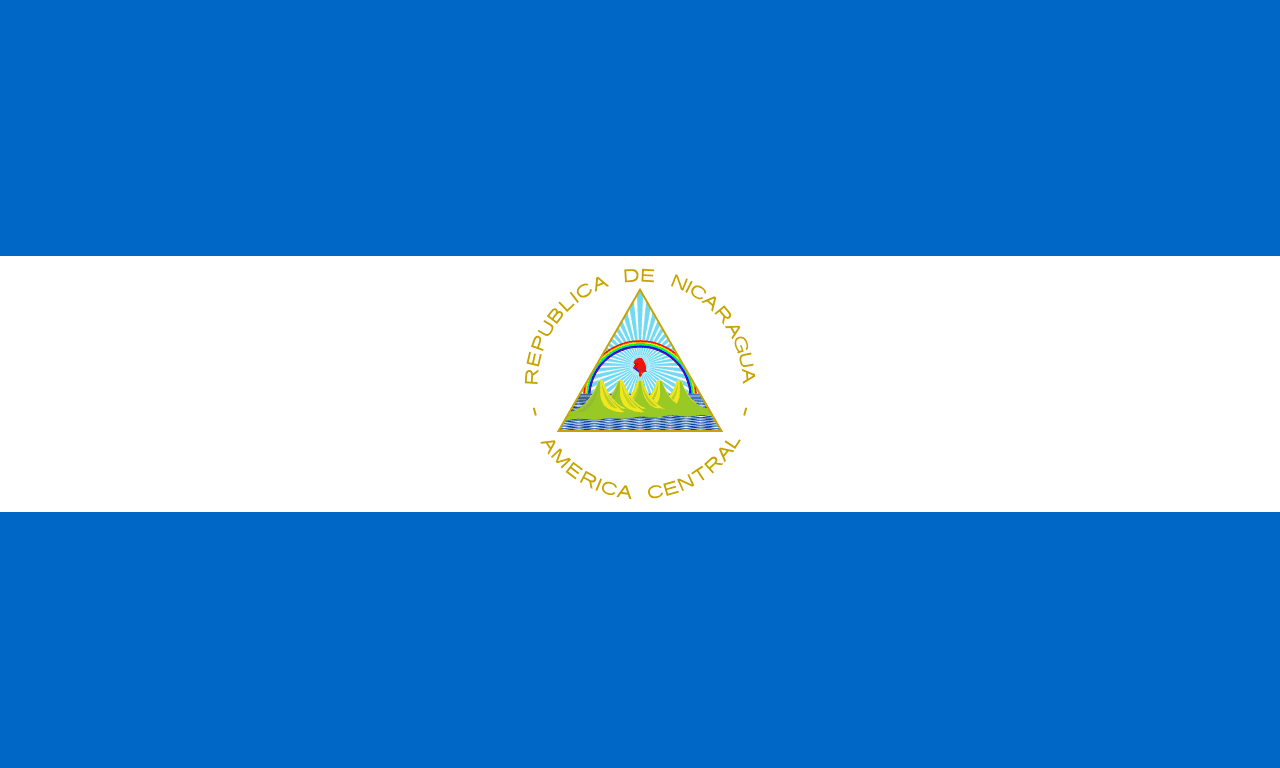
Nicaragua: The Nation of Poets and the Lakes That Changed a Continent
🌐 Translate:
Nicaragua is sometimes called the land of poets — a title that reflects the national reverence for literature that has no direct equivalent in Central America. Rubén Darío, born in Nicaragua in 1867, is considered the father of Modernismo, the literary movement that transformed Spanish-language poetry across two continents. His influence on Latin American literature is comparable to Whitman's influence on American poetry. Nicaraguans know this and take quiet pride in it. Poetry is a subject that matters in a way that politics alone cannot explain.
Lake Nicaragua — Lago Cocibolca — is Central America's largest lake and contains one of the world's very few freshwater shark populations. Bull sharks entered the lake through the San Juan River from the Caribbean and adapted to freshwater, able to move between salt and fresh water as the early naturalists who discovered them could not believe. The lake also contains Ometepe Island — two volcanoes connected by an isthmus, rising from the lake's surface — which has been continuously inhabited for at least 3,000 years and contains an extraordinary concentration of pre-Columbian rock art.
The Sandinista Revolution of 1979 — which overthrew the Somoza dictatorship — remains the defining event of modern Nicaraguan history, still shaping politics, culture, and social divisions in ways that a visitor quickly senses. The revolution produced genuine achievements in literacy and public health and inspired a generation of Latin American left-wing politics. What followed was more complicated. Nicaragua has been having that conversation with itself for forty years.