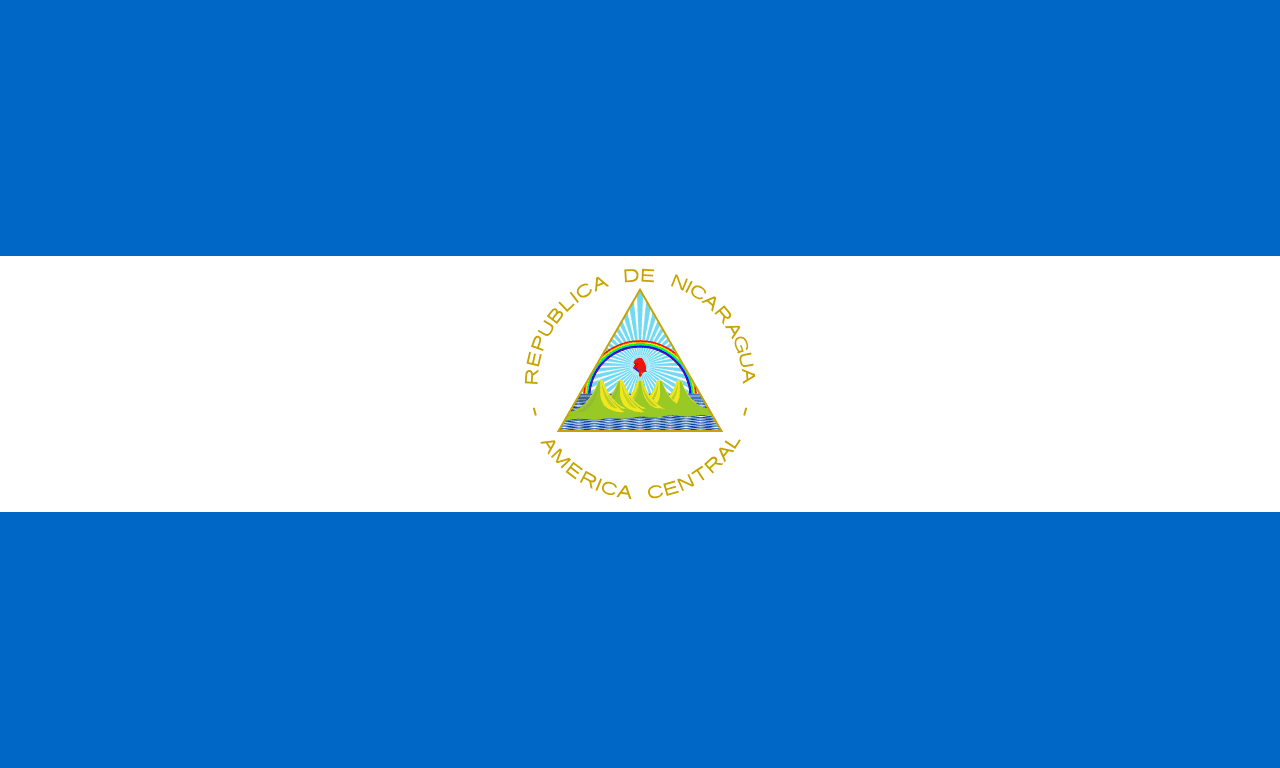
Stepping into Nicaragua is like entering a vibrant tapestry woven from the rich threads of its history, culture, and, most deliciously, its food. The aroma of grilled meats, the sweetness of tropical fruits, and the warmth of freshly made tortillas envelop you, inviting you to explore the local cuisine that has been shaped over centuries. Nicaraguan food is a delightful fusion of Indigenous, Spanish, and Afro-Caribbean influences, creating a culinary landscape that is as diverse as it is tantalizing. From bustling markets filled with colorful produce to street vendors serving up their signature dishes, the flavors of Nicaragua are a feast for the senses, and I couldn’t wait to dive in. Here are ten must-try dishes that represent the heart and soul of Nicaraguan cuisine.
First on my culinary journey was Gallo Pinto, the unofficial national dish of Nicaragua. This beloved breakfast staple features a vibrant blend of rice and black beans seasoned with garlic, onions, and a hint of a local condiment called Salsa Lizano, which adds a unique tangy twist. The combination of flavors dances on your palate, offering a hearty and satisfying way to start the day. You can typically find Gallo Pinto served alongside fried eggs, avocado, and perhaps a slice of cheese at a local comedor or a family-run eatery. Each household has its own twist on this dish, creating friendly rivalries over who makes the best Gallo Pinto. As I savored my first bite, I felt connected to generations of Nicaraguans who have enjoyed this dish, each adding their own personal touch.
Next, I ventured into the realm of Sopa de Mondongo, a traditional tripe soup that is as rich in flavor as it is in history. Made from beef tripe, vegetables, and spices, this hearty soup is a comforting dish often enjoyed during family gatherings or special occasions. The tripe is slowly cooked until tender, and the broth is infused with a medley of spices that create a depth of flavor that is simply irresistible. I found this dish at a local restaurant known for its home-cooked meals, where the owner proudly shared stories of how her grandmother would prepare it for large family feasts. The warmth of the restaurant, mingled with the rich aroma of the soup, made for a memorable dining experience.
Moving on, I discovered the delightful Nacatamales, a Nicaraguan twist on the traditional tamale. These are made with masa (corn dough) filled with meats, potatoes, rice, and vegetables, all wrapped in plantain leaves and then steamed. The result is a soft, savory treat with a burst of flavors in each bite. Nacatamales are often enjoyed during the weekends or during special celebrations, and they carry a story of community and togetherness as families gather to prepare them. Watching the preparation process at a local market was fascinating; it was a joyful assembly line of women sharing laughter and stories as they wrapped the tamales, each one a labor of love.
As I continued my gastronomic exploration, I found myself enchanted by Vigorón, a dish that perfectly encapsulates Nicaraguan street food culture. Typically served on a bed of yuca (cassava) and topped with a fresh cabbage salad and chicharrón (crispy pork rinds), Vigorón is a favorite among locals. The crunchy texture of the chicharrón paired with the tangy cabbage salad creates a delightful contrast, making each bite a savory experience. I stumbled upon a street vendor selling Vigorón in the heart of Granada, where locals and tourists alike gathered to enjoy this simple yet satisfying dish. The vendor, a cheerful woman known as “La Abuela,” shared her secret of adding a splash of vinegar to her cabbage salad, and it was easy to see why her Vigorón was a crowd favorite.
Next, I tasted the famous Indio Viejo, a rich stew made from shredded beef, corn, and a blend of spices that tell the story of Nicaragua’s Indigenous heritage. The dish gets its name from a legendary figure in Nicaraguan folklore who embodies the spirit of the country. As I enjoyed a warm bowl of Indio Viejo at a quaint eatery in León, the owner recounted tales of how this dish was once a staple for the Indigenous people and how it has evolved over the years. The warm, comforting flavors of the stew, infused with local herbs and spices, made me feel like I was part of something much larger than just a meal; I was tasting a piece of history.
Another standout dish is the Quesillo, a delightful snack that consists of a fresh tortilla filled with cheese and topped with a sour cream sauce, all wrapped up and served with pickled onions. It’s a simple yet delicious treat that you can find at roadside stands throughout the country. The first time I tried Quesillo was at a small, bustling market in Estelí. The vendor expertly prepared my order, and as I took my first bite, the warm tortilla melted in my mouth, blending beautifully with the creamy cheese and tangy sauce. The joy of eating Quesillo comes not just from the flavors but from the vibrant atmosphere of the market, where laughter and chatter filled the air.
Another culinary gem I encountered was the Rondon, a flavorful fish stew with Afro-Caribbean roots. The dish features fish simmered with coconut milk, vegetables, and aromatic spices, creating a rich and creamy broth that is as soothing as it is satisfying. I had the pleasure of trying Rondon at a beachside restaurant in San Juan del Sur, where fishermen brought in their fresh catch daily. As I savored the tender fish combined with the tropical hints of coconut, I couldn't help but feel transported to the coastal villages where this dish originated. The blend of flavors in Rondon tells the story of Nicaragua's diverse cultural influences and its deep connection to the sea.
No culinary journey through Nicaragua would be complete without sampling its street snacks, particularly the irresistible Tostones. These twice-fried green plantains are crispy and served with a sprinkle of salt, making them a perfect accompaniment to any meal or a delightful snack on their own. I found a vendor in León who served Tostones with a tangy garlic dipping sauce that took my taste buds to new heights. Each crunchy piece was a little burst of flavor, and it was impossible to stop at just one. Tostones have a special place in the hearts of Nicaraguans, often enjoyed during social gatherings or as a snack while watching a game with friends.
Last, but certainly not least, I had to indulge in Nicaragua's sweet side with the famous Tres Leches Cake. This decadent dessert is made from three types of milk—evaporated milk, condensed milk, and heavy cream—resulting in a moist and creamy cake that is simply irresistible. I discovered a small bakery in Masaya where they proudly displayed their Tres Leches, and after taking a bite, I understood why it was a local favorite. The sweetness of the milk combined with the lightness of the cake created a heavenly experience. Often served at birthdays and celebrations, Tres Leches Cake is a sweet symbol of the joy and love shared among family and friends.
As my culinary adventure through Nicaragua came to a close, I couldn't help but feel grateful for the rich tapestry of flavors and stories that I had encountered. The food of Nicaragua is more than just sustenance; it is a celebration of culture, community, and history.
For those seeking the best food experiences in Nicaragua, I highly recommend exploring local markets, where the vibrant stalls offer an array of fresh ingredients and traditional dishes. Street vendors are a treasure trove of authentic flavors, often serving up their signature recipes with a smile. Additionally, family-run restaurants and comedors provide a welcoming atmosphere where you can enjoy hearty meals made with love. Whether you’re wandering through bustling markets or indulging in a cozy eatery, the culinary wonders of Nicaragua are sure to leave a lasting impression on your taste buds and your heart. So pack your bags and prepare for a delicious journey; the flavors of Nicaragua await you!