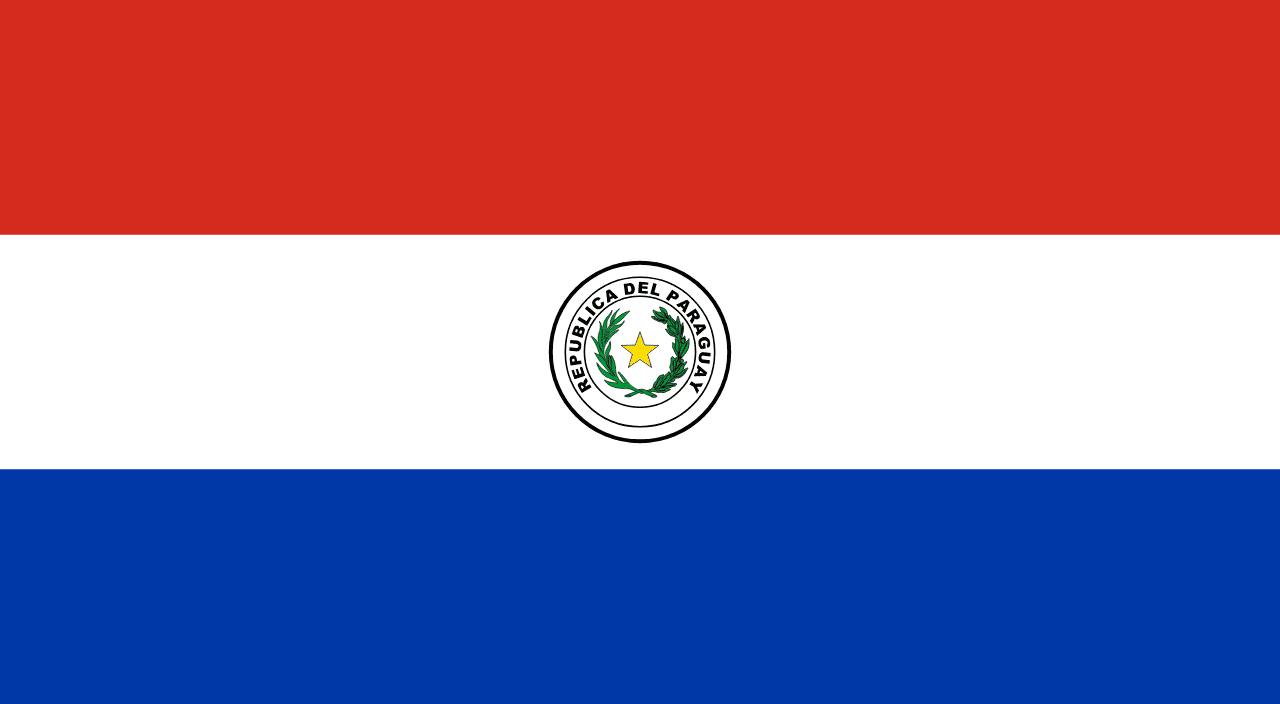
Paraguay: The Country Where Guaraní Survived Everything
🌐 Translate:
Paraguay is one of only two countries in South America with no coastline (the other is Bolivia) and one of the continent's most linguistically unusual: Guaraní, the language of the indigenous people who inhabited the region before European contact, is spoken by approximately 90 percent of Paraguayans alongside Spanish. It is the most widely spoken indigenous language in the Americas by people who are not exclusively of indigenous ancestry. Guaraní survived colonisation, the Jesuit reductions, and a series of catastrophic wars — including the War of the Triple Alliance, which killed over half the population of Paraguay between 1864 and 1870.
The Jesuit missions in eastern Paraguay — the reducciones built by Jesuit priests from the 17th century to create self-governing indigenous Christian communities — were social experiments of extraordinary ambition. At their peak, the missions housed over 100,000 Guaraní people living in towns with churches, schools, hospitals, printing presses, and orchestras. The music produced in the missions — combining European Baroque form with Guaraní musicality — was known throughout South America. The missions were disbanded when the Jesuits were expelled in 1767. The ruins remain, grand and melancholy, UNESCO-listed.
Tereré — cold yerba mate, drunk through a metal straw from a shared gourd, with cold water and sometimes medicinal herbs rather than the hot water used in Argentina and Uruguay — is the national drink. Paraguay's heat made the cold version the logical adaptation. Sharing tereré is the social glue of Paraguayan daily life.