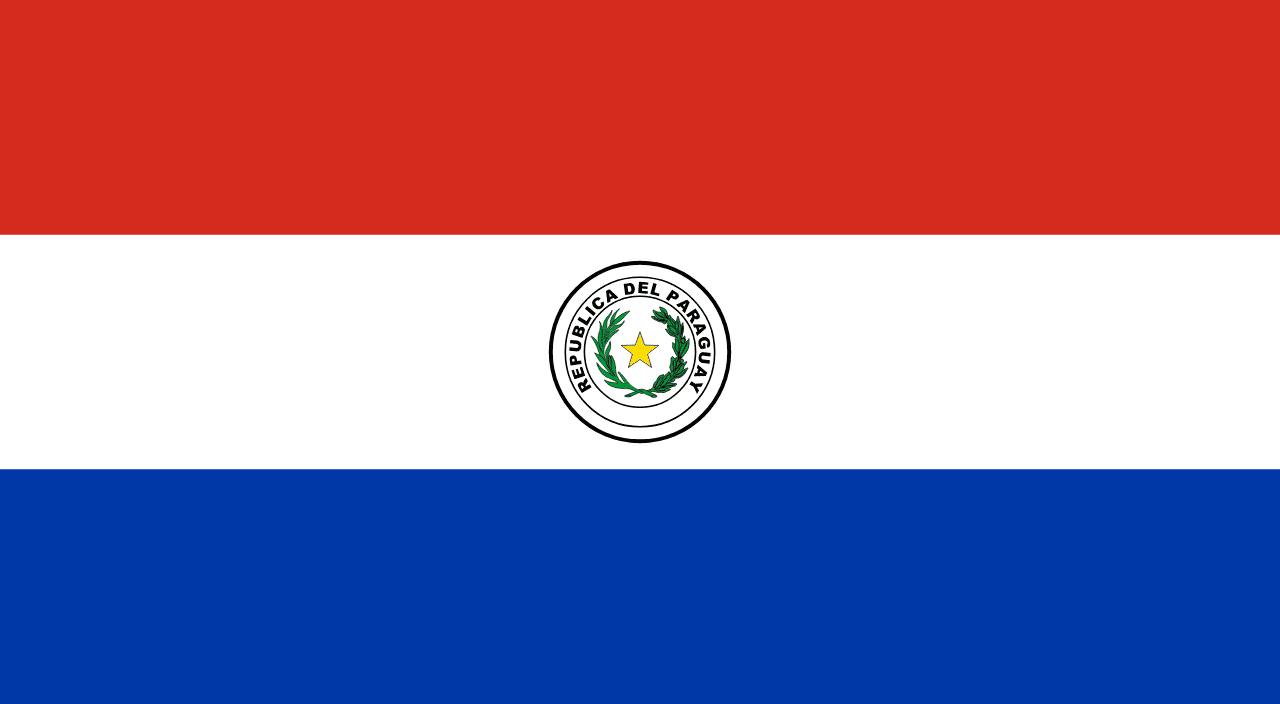
The aroma of sizzling meat and the warmth of freshly baked bread fill the air as I stroll through the vibrant streets of Asunción, the capital of Paraguay. This landlocked gem in the heart of South America boasts a culinary culture as rich and diverse as its history, blending indigenous traditions with Spanish colonial influences. From hearty stews to sweet desserts, Paraguay’s cuisine is a delightful journey through flavors and textures that tell the story of its people. Join me as I explore ten traditional dishes that you absolutely must try when visiting this enchanting country.
First on my list is **Sopa Paraguaya**, a dish that represents the essence of Paraguayan comfort food. This isn’t a soup, as you might expect from the name, but rather a cornbread made from cornmeal, cheese, milk, and eggs. The texture is dense and slightly crumbly, with a cheesy flavor that brings a comforting warmth to every bite. I found myself enjoying Sopa Paraguaya at local family gatherings and during festivals, where it's often served alongside grilled meats. Legend has it that this dish was created by a housewife who wanted to impress a visiting priest with a new recipe. The result? A dish that has become a staple in every Paraguayan household.
Next, I discovered **Mbejú**, a deliciously crispy flatbread made from cassava (yucca) flour, cheese, eggs, and milk. It’s typically served as a side dish for breakfast or lunch. The moment I took my first bite, I was mesmerized by its crunchy exterior and soft, gooey interior. Mbejú has deep roots in Paraguayan history, tracing back to the Guarani people who cultivated cassava long before European settlers arrived. I experienced this delight at a charming café in Ciudad del Este, where locals enjoyed it with a cup of tereré, a traditional drink made from yerba mate.
Another must-try is **Chipa**, a delightful cheese-flavored bread that comes in various shapes and sizes. Made primarily from cassava flour and cheese, it is often enjoyed as a snack or breakfast item. I found a vendor selling freshly baked Chipa at a bustling market, its golden crust crackling as I took a bite. The flavor is rich and savory, with a hint of smokiness if made in a traditional clay oven. Each region has its own twist on Chipa, and I learned that it’s often served at celebrations, particularly during Easter, where families bake large batches to share with friends and neighbors.
Then there’s **Pira caldo**, a savory fish soup that showcases the bounty of Paraguay’s rivers. Made with freshwater fish, typically surubí or pacú, along with vegetables and spices, this dish captures the essence of the country’s waterways. The first taste was a revelation; the soup was fragrant and hearty, with a touch of heat from the chili peppers. I enjoyed Pira caldo in a cozy restaurant near the banks of the Paraguay River, where fishermen often stop by after a long day at sea. The locals shared stories of their fishing traditions and the importance of this dish during communal gatherings.
As I ventured deeper into Paraguayan culinary traditions, I couldn’t miss **Bori Bori**, a comforting chicken and cornmeal soup. The dish consists of tender chicken pieces simmered with vegetables, herbs, and cornmeal dumplings that float in the broth, creating a hearty meal perfect for family dinners. Since it’s often served during cold months, I savored a bowl of Bori Bori one chilly evening in a local eatery. The flavors were deeply comforting, with a hint of smokiness from the homemade broth. Families often prepare this dish during special occasions, serving it to symbolize warmth and community.
A visit to Paraguay wouldn’t be complete without trying **Asado**, a celebration of barbecue that brings people together in a feast of grilled meats. Paraguayans take pride in their barbecuing skills, and Asado typically features various cuts of beef, pork, and sausages, all grilled over an open flame and often accompanied by a side of salad or Mandioca (cassava). I joined a lively family gathering where the smell of marinated meats wafted through the air. The taste was nothing short of spectacular; smoky, juicy, and bursting with flavor, it was a true celebration of Paraguayan culture. Each family has its secret marinade, adding to the uniqueness of this beloved dish.
For something sweeter, I’m excited to talk about **Dulce de Mamón**, a delicious guava jam that is a staple in Paraguayan households. This sweet treat is made by cooking ripe guavas with sugar until it reaches a thick, syrupy consistency. I discovered this delight at a family-owned café, where it was served spread over warm, crusty bread. The jam had a beautiful balance of sweetness and tartness, making it a perfect accompaniment to breakfast or a delightful afternoon snack. It’s often gifted during special occasions, symbolizing sharing and generosity.
Next, I tasted **Chipa Guazú**, a hearty corn pudding that combines cheese, corn, and eggs into a delightful dish. The texture is creamy and custard-like, with a cheesy flavor that lingers long after the last bite. I enjoyed Chipa Guazú at a local festival, where it was served alongside grilled meats. The way the dish is prepared varies by family, and it’s a testament to the creativity of Paraguayan cooks. Some add herbs or spices, while others stick to the traditional recipe, making it a beloved dish across generations.
I also came across **Tortilla de Maíz**, a savory corn tortilla that can be filled with cheese, vegetables, or meats. The tortillas are made fresh daily and have a slightly chewy texture, with a subtly sweet flavor from the corn. I stumbled upon a street vendor selling these warm tortillas filled with gooey cheese. The experience was pure bliss; as I took my first bite, a rich stream of melted cheese oozed out. Tortilla de Maíz is often eaten as a snack or light meal, showcasing the versatility of corn in Paraguayan cuisine.
Finally, I discovered **Tereré**, a traditional herbal infusion that is enjoyed throughout Paraguay. While it’s not a dish per se, it plays a vital role in the social fabric of the country. Similar to mate, tereré is made by steeping yerba mate leaves in cold water, often flavored with herbs or citrus fruits. I was invited to join a group of locals in a park, where they shared their gourd and bombilla (metal straw). The refreshing taste was invigorating, and I learned that tereré is more than just a drink; it’s a ritual that brings people together, fostering friendship and community.
As my culinary adventure in Paraguay came to a close, I was left with a deep appreciation for the country’s vibrant food culture. The markets, street stalls, and family-run restaurants are brimming with flavors and stories that embody the spirit of Paraguay. If you find yourself wandering the streets of Asunción or exploring the picturesque towns of the countryside, be sure to stop by the local markets where vendors display an array of fresh produce, homemade cheeses, and traditional sweets. You’ll find friendly faces eager to share their culinary treasures, giving you a taste of their heritage.
In conclusion, the food of Paraguay is a blend of rich traditions and flavors that reflect the heart and soul of its people. Each dish tells a story, and every bite is a reminder of the warmth and hospitality that make this country truly special. Whether you’re enjoying Sopa Paraguaya at a family gathering or savoring Pira caldo by the river, your culinary journey through Paraguay will be an unforgettable adventure. So pack your bags and your appetite—Paraguay awaits with open arms and delicious flavors!