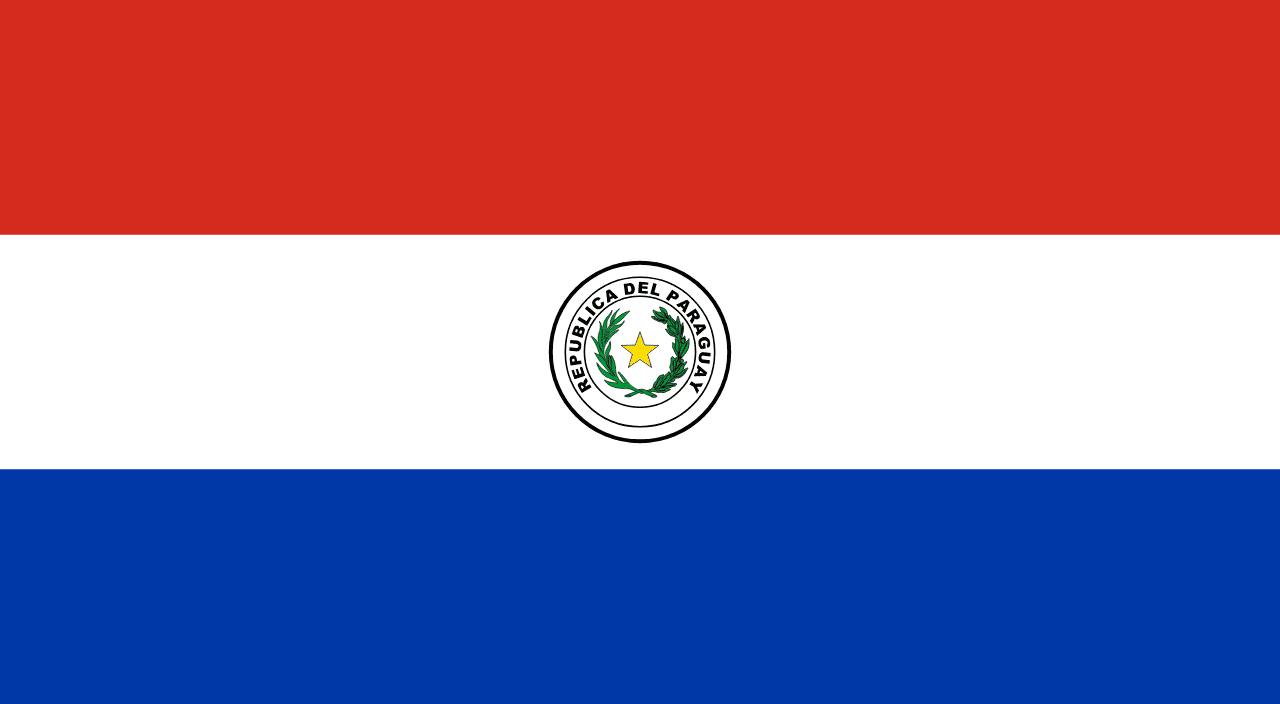
The History of Paraguay: From Ancient Times to Today
🌐 Translate:
# The History of Paraguay: From Ancient Times to Today
Nestled in the heart of South America, Paraguay often finds itself overshadowed by its more prominent neighbors, Argentina and Brazil. Yet, this landlocked nation boasts a rich tapestry woven from the threads of ancient indigenous cultures, colonial encounters, and a resilient journey toward independence and modernity. To understand Paraguay today, one must delve deep into its past—an intricate story that spans thousands of years.
## Ancient and Indigenous Cultures
Long before the arrival of Europeans, the territory that is now Paraguay was inhabited by various indigenous groups. The Guaraní people are perhaps the most renowned, a semi-nomadic tribe known for their rich traditions and affinity with the land. The Guaraní spoke their own language, which remains one of the country’s official languages today, alongside Spanish. The legacy of their culture is palpable; it permeates the very soil of Paraguay and infuses the nation’s identity.
The Guaraní settled in the lush, verdant regions of the Paraná River basin. Their communities thrived on agriculture, cultivating crops such as maize, cassava, and sweet potatoes. They employed sophisticated methods of farming and established a trade network that extended beyond their borders, engaging with neighboring tribes and exchanging goods, ideas, and cultural practices.
However, Paraguay was also home to other indigenous groups, such as the Ñandeva and the Kaiowá. Each of these communities contributed unique aspects to the region's cultural mosaic. They shared the land, the rivers, and the forests, living in relative harmony. This balance began to shift dramatically in the 16th century when European explorers set their sights on the New World.
## The Era of Colonial Encounter
In 1537, Spanish explorer Juan de Salazar y Espinosa made his way to the banks of the Paraguay River, establishing the first permanent settlement in the region, named Nuestra Señora Santa María de la Asunción. This marked the beginning of the colonial period, when Paraguay became part of the Spanish Empire. The Spanish sought to exploit the land’s resources and convert its indigenous inhabitants to Christianity.
The colonial administration was marked by a tumultuous relationship between the colonizers and the indigenous peoples. The Spanish imposed their language, religion, and culture upon the Guaraní and other tribes, often through violent means. However, the Guaraní also demonstrated remarkable resilience. They engaged in a unique form of syncretism, blending their traditional beliefs with Christianity and creating a distinct cultural identity that persists to this day.
One of the lesser-known but significant aspects of this era was the establishment of the Jesuit Reductions in the 17th and 18th centuries. These were settlements founded by Jesuit missionaries aimed at protecting the indigenous populations from exploitation by colonial forces. The Jesuits created thriving communities where education, agriculture, and trade flourished, allowing the Guaraní to maintain a degree of autonomy. The Reductions became known for their baroque architecture, music, and art, which reflected a fusion of European and indigenous styles.
However, the success of these missions did not sit well with the Spanish Crown and local landowners who sought to exploit the indigenous labor force. In the 1760s, the Jesuits were expelled from their territories, leading to the dismantling of these communities and the disintegration of the social structures they had built. This marked a turning point in Paraguay's history, as the indigenous populations were left vulnerable to the forces of colonial exploitation.
## The Path to Independence
As the 19th century dawned, the winds of change swept through the Americas. The cry for independence echoed across the continent, and Paraguay was not immune to this fervor. On May 14, 1811, Paraguay declared its independence from Spanish colonial rule, a significant milestone that would shape its future.
One of the key figures of this independence movement was José Gaspar Rodríguez de Francia, who would later become the country's first dictator. Francia was not only a political leader but also an intellectual, advocating for the rights of the indigenous people and championing Paraguay's sovereignty. Under his leadership, Paraguay adopted a policy of isolationism, closing its borders to foreign influence and focusing on self-sufficiency.
Francia’s rule, marked by a blend of progressive reforms and authoritarianism, saw the establishment of a national identity distinct from that of its neighbors. He implemented land reforms, improved education, and promoted agriculture, which laid the groundwork for Paraguay’s economy. However, his leadership also birthed a culture of repression, silencing dissent and curbing freedoms in the name of national unity.
Following Francia's death in 1840, a power struggle ensued, culminating in the rise of Carlos Antonio López, who continued many of Francia's policies but opened Paraguay to limited foreign trade. López’s reign witnessed significant infrastructure development, including the construction of roads and telegraphs, which aimed to integrate the nation economically and socially. Yet, tensions with neighboring countries remained high, particularly with Argentina and Brazil.
## The Paraguayan War (1864-1870)
The most catastrophic event in Paraguay’s history unfolded during the late 19th century—The Paraguayan War (also known as the War of the Triple Alliance). This brutal conflict saw Paraguay pitted against an alliance of Brazil, Argentina, and Uruguay. The war was fueled by territorial disputes and Paraguay's ambitions for regional dominance.
Led by Francisco Solano López, who had succeeded his father Carlos Antonio López, Paraguay initially entered the war with confidence. However, the conflict quickly turned disastrous. López’s leadership, while charismatic, was marked by hubris and miscalculations. The war led to devastating losses for Paraguay, resulting in the death of a significant portion of its population, with estimates suggesting that around 60% of the male population perished.
The aftermath of the war left Paraguay in ruins. The once-thriving nation faced economic collapse and social disintegration. The Treaty of Asunción in 1870 marked the end of the conflict, but the scars of the war persisted for generations. Paraguay was forced to cede territory to Brazil and Argentina, further diminishing its influence in the region.
## The Road to Recovery and Modern Era
In the decades following the war, Paraguay embarked on a slow but determined path of recovery. The 20th century was marked by political instability, coups, and periods of dictatorship. Yet, it also saw the emergence of a national consciousness that recognized the need for modernization and reform.
The era of Alfredo Stroessner, who ruled from 1954 to 1989, is one of the most notable chapters in Paraguay’s modern history. Stroessner's regime was characterized by authoritarianism, human rights abuses, and a cult of personality. However, it also laid the groundwork for economic development through infrastructure projects and foreign investment.
The fall of Stroessner marked a turning point for Paraguay—a transition to democracy and a more open society. The 1990s ushered in an era of political reform and economic liberalization, enabling Paraguay to reintegrate into the global community. Elections became more competitive, and civil society began to flourish.
Despite these advancements, Paraguay has faced challenges such as corruption, poverty, and social inequality. The nation’s economic growth has often been uneven, with rural communities struggling to benefit from the modernization efforts.
## Paraguay Today
Today, Paraguay stands at a crossroads. It is a nation rich in culture and history, characterized by a blend of indigenous and European influences. The Guaraní language is spoken by a significant portion of the population, serving as a testament to the enduring legacy of the indigenous peoples. Paraguay’s cultural identity is reflected in its music, dance, and culinary traditions, which continue to thrive against the backdrop of a modernizing society.
Economically, Paraguay has experienced growth, driven by agriculture, especially soy production, and renewable energy, particularly from the Itaipú Dam, one of the largest hydroelectric plants in the world. However, the nation grappled with social issues, including poverty and inequality, that require ongoing attention and reform.
In recent years, Paraguay has also faced political challenges, with scandals and corruption allegations affecting public trust in government institutions. Yet, the resilience and spirit of the Paraguayan people shine through, as they continue to advocate for democratic principles and social justice.
## Conclusion
The history of Paraguay is a complex narrative of triumphs and tragedies, of a nation that has endured the trials of conquest, war, and dictatorship, yet continues to forge its own path in the world. From its rich indigenous roots to its struggles for independence and contemporary challenges, Paraguay’s story is one of resilience, cultural richness, and an unwavering spirit.
As Paraguay looks to the future, it stands as a testament to the strength of its people—a story still unfolding, with chapters yet to be written. Understanding its past not only provides insight into its present but also illuminates the possibilities that lie ahead for this vibrant nation.