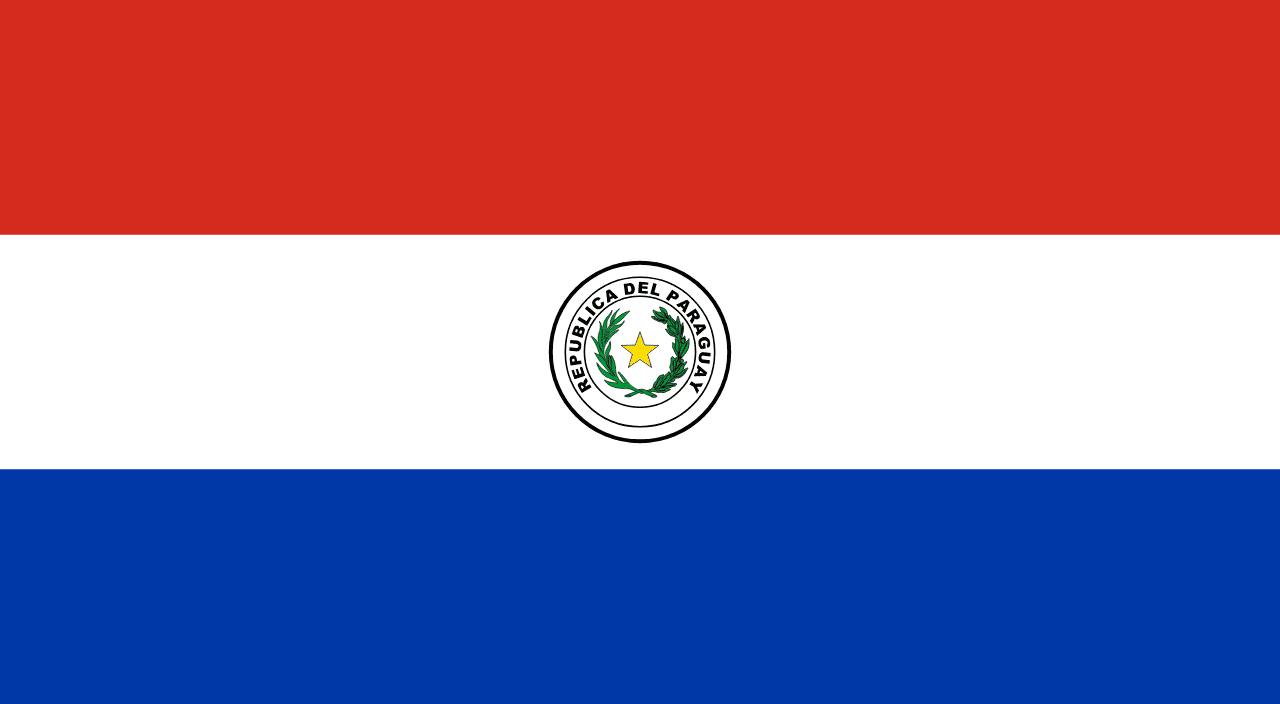
What It's Really Like to Live in Paraguay
As someone who has called Paraguay home for several years, I can confidently say that life here is a unique blend of warmth, simplicity, and rich cultural heritage. Nestled in the heart of South America, Paraguay often gets overshadowed by its more famous neighbors—Brazil and Argentina—but there’s an undeniable charm in its understated lifestyle. If you’re curious about what day-to-day life looks like in this vibrant country, let me take you on a journey into the heart of Paraguay.
First off, let’s talk about daily life. The moment you step out of your house in cities like Asunción or Ciudad del Este, you’re enveloped by a sense of community. Early mornings in Paraguay begin with the sun peeking over the horizon, and the streets come alive with the sounds of vendors setting up their stalls. A typical day often starts with a cup of yerba mate—the traditional drink here—served in a gourd and shared among friends. You’ll quickly learn that sharing mate is not just a social activity; it’s a ritual that fosters connection and camaraderie. You might find yourself saying, “¿Gustas?” (Do you want some?) as you pass the gourd to someone else.
When it comes to the cost of living, Paraguay is surprisingly affordable. The monthly rent for a modest two-bedroom apartment in Asunción can range between $300 and $500, depending on the neighborhood. Groceries are similarly inexpensive; a dozen eggs costs about $1.50, and a loaf of bread is around $0.80. Dining out can set you back less than $10 for a hearty meal at a local restaurant, where you can savor traditional dishes like asado (barbecue) or sopa paraguaya (a cornbread-like dish made with cheese). For those who enjoy cooking at home, the abundance of fresh produce at local markets makes it easy to whip up a delicious Paraguayan meal without breaking the bank.
Food culture in Paraguay is a central part of daily life, and it reflects the country’s diverse influences—Spanish, Indigenous, and even German and Italian. The traditional Paraguayan diet is rich in corn, beef, and dairy products, and meals are often hearty and filling. Lunchtime is sacred; many people take a break from work around noon to enjoy a leisurely meal with family or colleagues. A typical lunch might consist of a large plate of beef with rice and a fresh salad, accompanied by a refreshing drink known as tereré, which is yerba mate prepared with cold water and often infused with herbs.
Social customs in Paraguay are deeply rooted in respect and hospitality. Upon entering someone’s home, it’s customary to greet everyone in the room, often with a handshake or a light hug. You’ll hear the phrase “¡Hola, ¿cómo estás?” (Hello, how are you?) exchanged frequently, and it’s expected that you will engage in small talk before diving into any serious discussions. Family is at the heart of Paraguayan life; it’s common to see large families gathering for Sunday lunch, filled with laughter, chatter, and an abundance of food.
Work culture in Paraguay is somewhat laid-back compared to Western standards. While the typical workweek runs from Monday to Friday, the pace is slower and more relaxed. Punctuality is appreciated, but it’s not uncommon for meetings to start a little later than scheduled. The emphasis is on building relationships rather than just getting the job done. As a foreigner, you might find this both refreshing and challenging; flexibility is key.
Weekends in Paraguay are vibrant and full of life. Friday evenings often kick off with gatherings at bars or homes, where friends come together to enjoy live music and traditional dance. For many locals, Saturday is reserved for family time or day trips to nearby natural attractions, such as the stunning Iguazú Falls or the serene Ypacaraí Lake. Sundays, on the other hand, are for resting and reflection. Many people attend church services, while others take leisurely strolls in the parks or join a local soccer game. You’ll notice that the local soccer culture runs deep; it’s not just a sport but a way of life, with matches drawing enthusiastic crowds and conversations filled with spirited debates about player performances.
One of the most notable aspects of life in Paraguay is the weather. The country experiences a humid subtropical climate, which means hot summers and mild winters. From December to March, temperatures can soar to over 100°F (38°C), making afternoons almost unbearable without the cool relief of a siesta. In contrast, the winter months—June to August—are pleasantly mild, with temperatures averaging around 60°F (15°C). The weather shapes daily life significantly; for instance, many businesses close during the hottest hours of the day, allowing everyone to take a break and escape the heat.
While life in Paraguay is full of positives, it’s not without its challenges. The infrastructure can be lacking, with pothole-ridden roads and occasional power outages. Public transportation is available, but it can be crowded and unpredictable. Additionally, the bureaucratic processes can be frustratingly slow. However, these challenges are often balanced by the kindness and resilience of the people. Paraguayans have a knack for finding joy in the simplest of moments, and that spirit can be contagious.
One of the biggest surprises for many foreigners moving to Paraguay is the warmth and friendliness of the locals. Paraguayans are genuinely welcoming people, and it’s easy to feel at home. You’ll find that they take the time to get to know you, often inviting you to family gatherings or local festivals. It’s customary to be greeted with a smile and an open heart, making it easier to adapt to life here. You’ll quickly learn some local phrases, like “¿Dónde está el baño?” (Where is the bathroom?) and “¡Qué rico!” (How delicious!), which will come in handy as you savor the local cuisine.
Another unexpected aspect of living in Paraguay is the sense of community. Whether you’re participating in a local festival or just walking down the street, there’s an unmistakable feeling of togetherness that permeates daily life. Traditional celebrations, such as the Fiesta de San Juan in June, see entire neighborhoods come together to celebrate with food, music, and dance. The sense of belonging is palpable, and you’ll often find yourself swept up in the joyous atmosphere.
As you settle into life in Paraguay, you’ll discover that every day brings new experiences and opportunities for connection. Whether it’s sharing a cup of mate with a new friend, exploring the lush landscapes, or simply enjoying a leisurely afternoon, life here is rich with culture and warmth. The simplicity of everyday life, combined with the deep-rooted traditions and the resilience of the people, creates a unique tapestry that makes Paraguay a truly special place to call home.
In conclusion, living in Paraguay offers an experience that is both enriching and enlightening. The affordability, delectable food, social customs, and the genuine warmth of the people make it an enticing destination for those seeking a more laid-back lifestyle. While challenges exist, they are often overshadowed by the beauty of the culture and the connections you’ll forge along the way. So, if you ever find yourself considering a move to this enchanting landlocked country, be prepared to embrace the vibrant rhythm of life—the heart of Paraguay is waiting to welcome you.