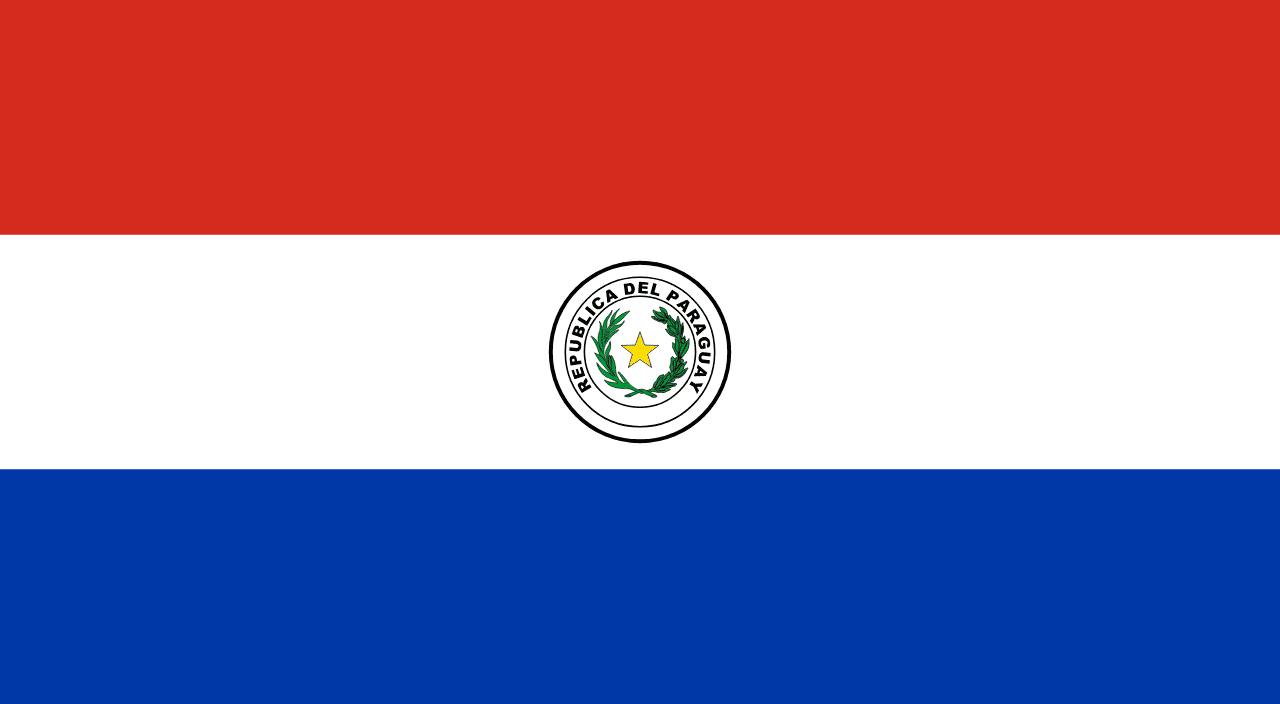
Paraguay is South America's most overlooked country, a landlocked nation at the continent's heart where two great rivers — the Paraguay and the Parana — define its borders and its identity. Without coastline or Andean peaks to draw the usual crowds, Paraguay rewards curious travelers with authenticity, affordability, and a culture shaped by the unique fusion of Spanish colonial heritage and the resilient Guarani indigenous tradition.
Asuncion, the capital, is one of South America's oldest cities, founded in 1537. Its center contains elegant 19th-century architecture including the Palacio de los Lopez — the presidential palace modeled on the Louvre — and the National Pantheon of Heroes, where Paraguay's greatest figures are interred beneath a domed rotunda inspired by Les Invalides in Paris. The city feels lived-in rather than polished, and its markets, cafes, and street life offer genuine immersion.
The Jesuit missions of the Trinity and Jesus de Tavarangue — both UNESCO World Heritage Sites — are among South America's most compelling historical ruins. These stone complexes were built by Jesuit missionaries in collaboration with Guarani craftsmen during the 17th and 18th centuries, creating a utopian society that sheltered thousands of indigenous people from colonial enslavement. The carved stonework and architectural ambition of these remote sites remain astonishing centuries later.
Paraguay's Chaco region, covering the western half of the country, is one of South America's last great wildernesses — a vast, hot, and largely impenetrable plain where jaguars, giant anteaters, tapirs, and millions of birds find refuge. Reaching the deep Chaco requires effort but delivers extraordinary wildlife encounters. The Pantanal, shared with Bolivia and Brazil, extends into northeastern Paraguay and is one of the world's great wetland ecosystems.
Paraguayan culture is defined in part by the Guarani language, still spoken by the majority of the population alongside Spanish in a rare example of genuine bilingualism. Traditional music played on the harp and guitar permeates everyday life. Ñanduti lacework, intricate spider-web-patterned textiles made in the town of Itaugua, is one of Paraguay's most beautiful craft traditions.
Paraguay's national dish is sopa paraguaya — a dense, savory cornbread made with cheese and onions that tastes nothing like soup despite its name. Chipa, a cheese bread made with cassava flour, is eaten daily. The best time to visit is May through September when temperatures are mild and manageable.