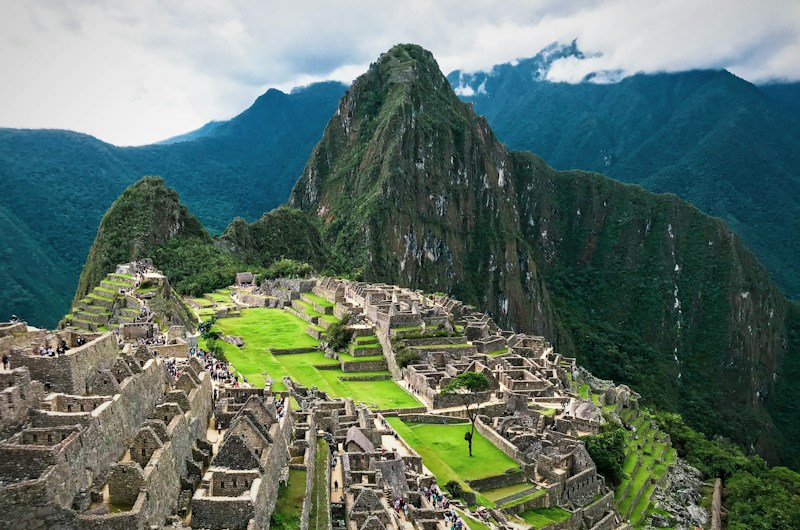
Machu Picchu and the Inca Legacy That Peru Still Lives With
🌐 Translate:
Machu Picchu was built in the 15th century, rediscovered by the outside world in 1911, and has been overwhelmed by visitors ever since. The site receives roughly a million tourists per year, and the Peruvian government has spent decades trying to manage access without destroying what people come to see. But the focus on the ruins can obscure something more interesting: the civilisation that built them never really ended.
The Inca Empire at its peak was the largest in pre-Columbian America, stretching from what is now southern Colombia to central Chile — a distance of over four thousand kilometres connected by an extraordinary road system built entirely without wheeled vehicles. The Spanish arrived in 1532 and the empire collapsed within a generation. But the people did not.
Roughly half of Peru's forty million people identify as Indigenous, most of them descendants of the Quechua and Aymara peoples who built and lived within the Inca world. The Quechua language, once the administrative language of the entire Inca Empire, is still spoken by around eight million people. It is Peru's second official language alongside Spanish.
In the highlands around Cusco and in the communities near Machu Picchu, Inca agricultural techniques — including the terrace farming that made mountain agriculture possible — are still in active use. Festivals that predate the Spanish conquest are still celebrated. The Inti Raymi, festival of the sun, draws tens of thousands of participants to Cusco every June for a celebration that has been running for centuries.
Peru is a country that did not simply inherit an ancient civilisation. It is still, in many significant ways, living inside it.