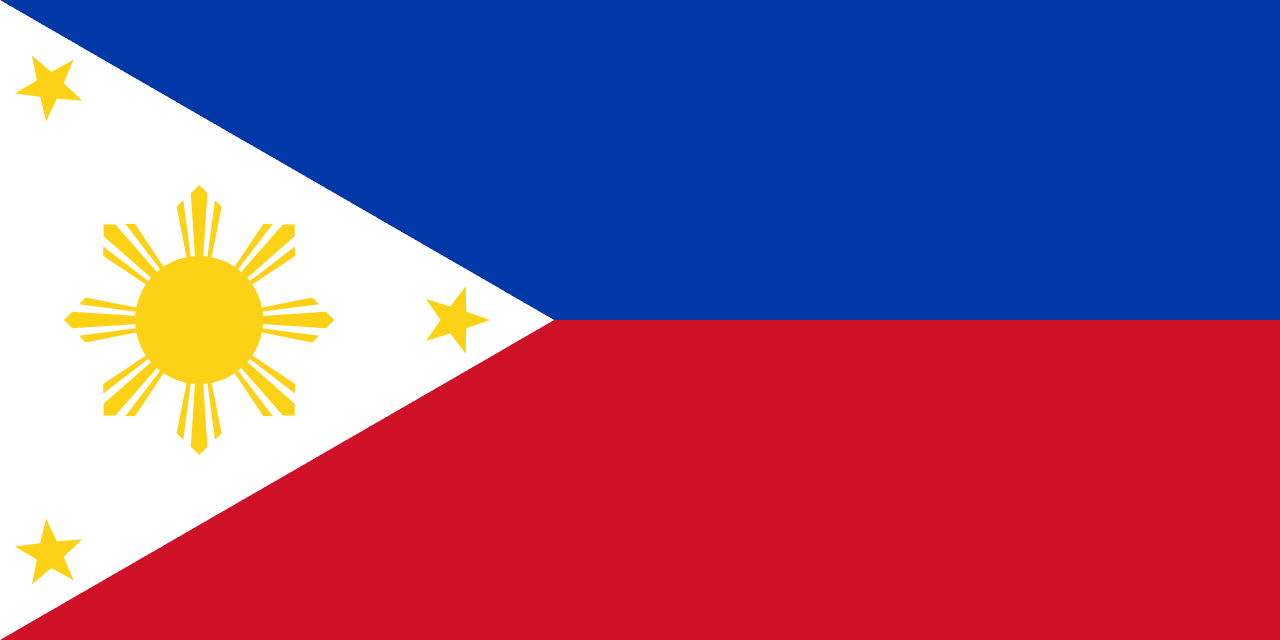
The Philippines is an archipelago of over 7,600 islands scattered across the western Pacific, where Southeast Asian culture, Spanish colonial heritage, and American influence have combined to create a nation unlike any other. From the chocolate hills of Bohol to the turquoise lagoons of Palawan to the rice terraces of the Cordillera, the Philippines offers extraordinary diversity packed into its island chain.
Palawan consistently ranks among the world's most beautiful islands. El Nido's limestone karst scenery, with towering cliffs encircling secret lagoons and white sand beaches accessible only by boat, is genuinely breathtaking. Coron offers some of Asia's best wreck diving, with Japanese warships from World War II sitting in warm, clear water draped in coral and swarming with fish. Puerto Princesa's underground river, navigable by boat for several kilometers through a vast cave system, is a UNESCO World Heritage Site.
Boracay's White Beach is one of the finest stretches of sand in Asia — fine white powder that stays cool underfoot even in direct sun, with calm turquoise water ideal for swimming and sunsets that draw crowds to the beachfront every evening. Siargao, shaped like a teardrop in the Mindanao Sea, is the surf capital of the Philippines, where the famous Cloud 9 wave breaks over shallow reef for riders from around the world.
The Banaue Rice Terraces in the Mountain Province of Luzon are often called the Eighth Wonder of the World — massive earthworks carved into the Cordillera mountainsides by the Ifugao people over 2,000 years ago, still irrigated by an ancient system of channels drawing water from the cloud forests above. The living culture of the Ifugao people adds human depth to the visual grandeur.
Manila, the capital, is chaotic and captivating. Intramuros, the Spanish walled city, contains Fort Santiago where national hero Jose Rizal was imprisoned before his execution. The National Museum of Fine Arts houses Juan Luna's monumental Spoliarium painting. Manila Bay sunsets are legendarily beautiful.
Filipino food is comforting and communal. Lechon (spit-roasted pig) is the celebration centerpiece. Adobo (meat braised in vinegar, soy sauce, and garlic), sinigang (tamarind sour soup), and kare-kare (peanut oxtail stew) are essential experiences. Halo-halo, a dessert of shaved ice, sweetened beans, fruit, and purple yam ice cream, captures the Filipino love of abundance.
The best time to visit is November through April during the dry season.