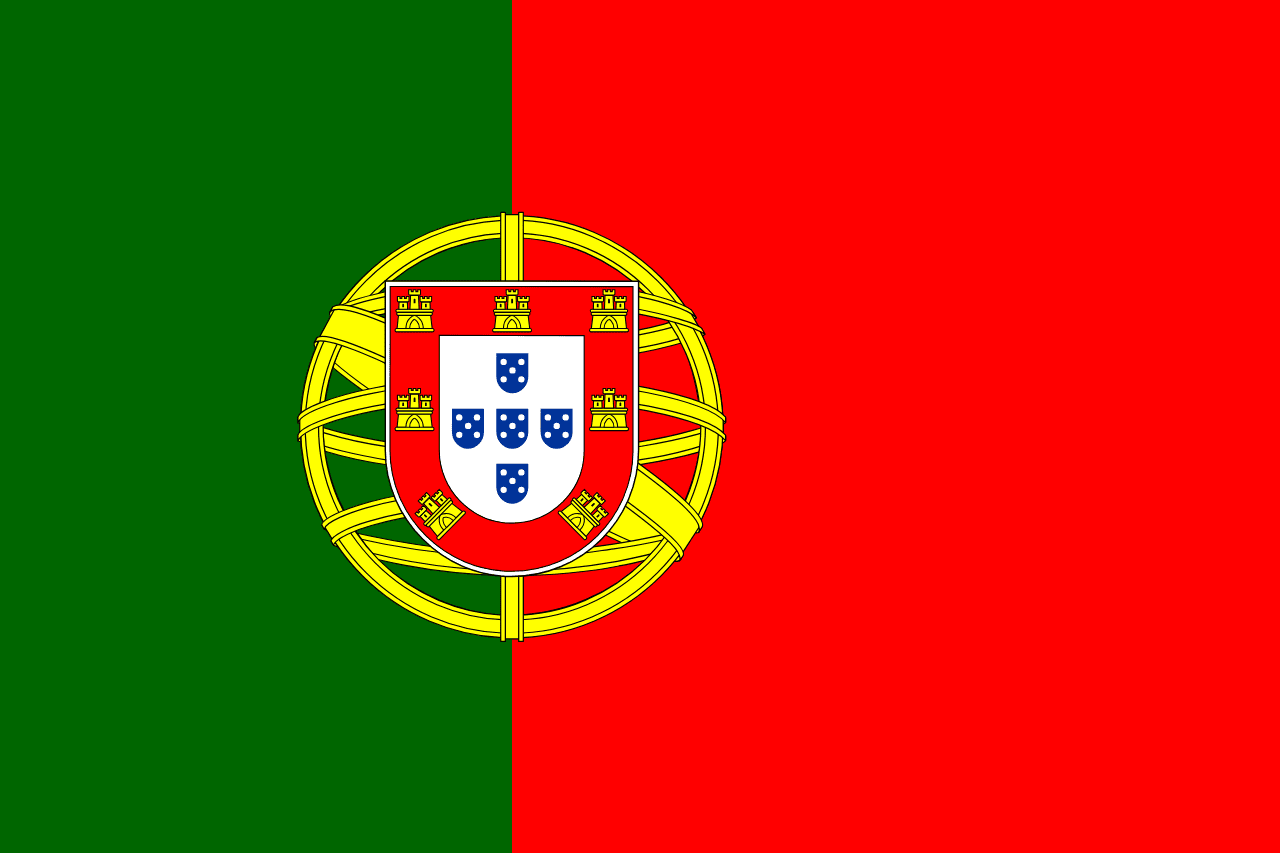
The History of Portugal: From Ancient Times to Today
🌐 Translate:
# The History of Portugal: From Ancient Times to Today
Nestled at the southwestern tip of Europe, Portugal boasts a rich and diverse history that spans thousands of years. From its ancient roots to its role as a maritime empire and modern nation, the story of Portugal is one of resilience, exploration, and cultural evolution. As we embark on this historical journey, we'll uncover the layers of this fascinating country, highlighting key figures, pivotal moments, and lesser-known facts that have shaped its identity.
### Ancient and Indigenous History
The history of Portugal begins long before it became a nation. Prehistoric settlers roamed these lands, leaving behind impressive megalithic structures like the Almendres Cromlech near Évora, a testament to their spiritual beliefs and social organization. The region was inhabited by various ancient peoples, including the Iberians, Celts, and Phoenicians, each contributing to the cultural tapestry of what would eventually become Portugal.
By the 3rd century B.C., the Romans arrived, bringing with them not only military might but also advanced infrastructure, trade networks, and a system of governance. The territory was integrated into the Roman Empire as part of the province of Lusitania. The Romans established cities like Olissipona (modern-day Lisbon) and Emerita Augusta (Mérida), which became centers of commerce and culture. The influence of Roman architecture, language, and law would lay the groundwork for the future of the region.
However, as the Roman Empire crumbled, the Visigoths invaded in the 5th century A.D. and established a kingdom that flourished until the arrival of the Moors in the 8th century. This period saw the introduction of sophisticated irrigation techniques and agricultural practices, which transformed the landscape and laid the foundation for future prosperity.
### The Formation of Portugal
The establishment of Portugal as a defined political entity can be traced back to the 12th century. In 1139, Afonso Henriques, a nobleman with aspirations for autonomy, declared himself king of Portugal after a series of successful military campaigns against the Moors. His crowning as Afonso I marked the beginning of the Kingdom of Portugal. Under his reign, the territory expanded, and the Christian Reconquista gained momentum, leading to the gradual retaking of land from Muslim rule.
The Treaty of Zamorra in 1143 recognized Portugal as a kingdom independent from León, marking a pivotal moment in its early history. However, it wasn’t until the 13th century that Portugal's borders began to stabilize, solidifying its identity. The establishment of the University of Coimbra in 1290 further signified the nation's growing importance in the realms of education, culture, and governance.
### The Age of Exploration
The 15th century heralded what is often referred to as the Age of Exploration, a period when Portugal emerged as a formidable maritime power. Pioneering navigators like Prince Henry the Navigator, although not a sailor himself, played a crucial role in promoting exploration. His establishment of a navigation school in Sagres attracted the best minds of the time, leading to advances in cartography and shipbuilding.
Portugal's explorers, such as Vasco da Gama, embarked on perilous voyages that would change the course of history. In 1498, da Gama reached India by sailing around the southern tip of Africa, opening sea routes that would facilitate the spice trade and establish Portugal as a global trading empire. The discoveries made during this period not only brought immense wealth but also led to the establishment of colonies in Africa, Asia, and Brazil.
The Treaty of Tordesillas in 1494, brokered with Spain, divided the newly discovered lands outside Europe between the two nations. This agreement granted Portugal the rights to territories in Africa, Brazil, and parts of Asia, including Goa and Macau. The wealth generated from these colonies fueled the Portuguese economy and allowed for cultural exchanges that enriched both Portugal and its colonies.
### A Time of Decline
However, the golden age of exploration did not last indefinitely. The 16th and 17th centuries saw the rise of rival powers, most notably the Dutch and the British, which began to chip away at Portugal’s dominance in global trade. The disastrous loss of the Portuguese fleet at the Battle of Alcácer Quibir in 1578 led to a succession crisis and ultimately to the Iberian Union, where Portugal fell under Spanish rule from 1580 to 1640.
This period of foreign domination was marked by social unrest, economic decline, and a loss of autonomy. The Portuguese people yearned for independence, and their desires culminated in the Restoration War. In 1640, a group of nobles staged a successful revolt, leading to the establishment of the Braganza dynasty and the restoration of Portuguese sovereignty.
### The Rise and Fall of Colonial Empire
The 18th century saw a resurgence in Portuguese power, marked by the establishment of more colonies and the cultivation of lucrative cash crops in Brazil. The discovery of gold in Brazil led to a massive influx of wealth, and the country became the centerpiece of the Portuguese empire. The lavish lifestyles of the elites contrasted sharply with the hardships faced by the indigenous populations and enslaved Africans who were forced to work on plantations.
However, the empire began to decline in the 19th century as Brazil gained independence in 1822, reducing Portugal's global influence. The subsequent Liberal Wars in the 1820s and 1830s led to internal strife and instability, further weakening the nation’s political structure.
Throughout the late 19th century and early 20th century, Portugal held on to its remaining colonies in Africa and Asia, but the tide of decolonization began to rise after World War II. The Carnation Revolution of 1974 was a turning point, leading to a peaceful coup that overthrew the authoritarian Estado Novo regime and heralded a new era of democracy. This revolution also marked the beginning of the end of the Portuguese colonial empire, leading to the independence of Angola, Mozambique, Guinea-Bissau, and other territories.
### The Modern Era
In the years following the Carnation Revolution, Portugal aggressively redefined itself on the global stage. Joining the European Economic Community (EEC) in 1986 marked a significant step in its modernization, facilitating economic growth and development. The influx of European funds led to extensive infrastructure improvements and an increase in living standards.
Portugal's role in the European Union has also been pivotal in shaping its contemporary identity. The adoption of the Euro in 2002 and the subsequent financial crisis of 2008 presented challenges that tested the resilience of the Portuguese economy. Austerity measures and economic reforms were implemented, leading to recovery and a renewed focus on innovation and sustainability.
Today, Portugal stands as a vibrant and diverse nation. Its rich cultural heritage is celebrated through festivals, music, art, and cuisine. Fado, a soulful genre of music, echoes the melancholic beauty of Portuguese history, while contemporary art and architecture reflect the country’s forward-looking spirit.
The nation is also recognized for its commitment to environmental sustainability, with initiatives aimed at renewable energy and conservation. The picturesque landscapes of the Douro Valley, the beaches of the Algarve, and the architectural marvels of Lisbon and Porto draw millions of tourists annually, further solidifying Portugal’s place in the global economy.
### Conclusion
From its origins as a collection of tribes to its emergence as a maritime empire and modern democracy, the history of Portugal is a captivating saga of exploration, conquest, and resilience. It is a story woven with threads of triumph and tragedy, marked by the indomitable spirit of its people. As Portugal continues to navigate the challenges of the modern world, its legacy remains a testament to the power of perseverance and adaptation. In understanding its past, we can better appreciate the vibrant culture and dynamic identity of this beautiful nation today.