Saint Lucia: Nobel Laureates, Pitons and the Most Beautiful Harbour in the Caribbean
🌐 Translate:
Saint Lucia has produced two Nobel Prize winners — economist Sir Arthur Lewis in 1979 and poet Derek Walcott in 1992 — from a population that has never exceeded 200,000 people. The per-capita Nobel rate is the highest in the world. Walcott's Omeros, his epic poem that reimagines Homer's Iliad through Caribbean fishermen and the experience of the African diaspora, is considered one of the great long poems of the 20th century. That a small Caribbean island produced both the most important Caribbean poet and a landmark economist within decades of each other is remarkable by any measure.
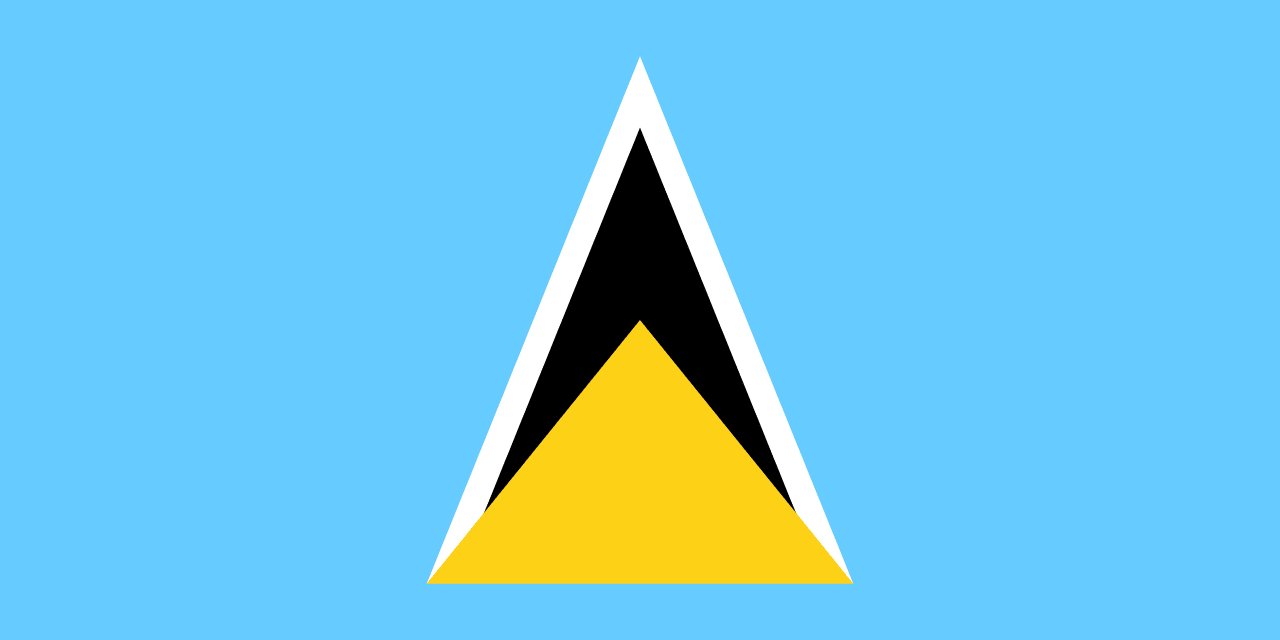
The Pitons — Gros Piton and Petit Piton — are twin volcanic spires rising from the sea on Saint Lucia's southwest coast, their bases almost touching the Caribbean, their peaks 743 and 786 metres above it. The UNESCO World Heritage site they anchor is one of the most photographed landscapes in the Caribbean. Climbing Gros Piton takes three to four hours and produces a view of the island, the surrounding sea, and the volcanic Soufrière crater below that justifies every step. The Pitons appear on the national flag and define Saint Lucia's visual identity absolutely.
Saint Lucia's Creole culture — the blend of French, African, British, and indigenous Kalinago influences that colonial history layered onto the island — is expressed most vividly in its cuisine. Creole cooking uses green figs (unripe bananas), saltfish, breadfruit, christophene, and dasheen in combinations that are Saint Lucian in a way no recipe from elsewhere can fully replicate. The local hot sauce — made from Scotch bonnet peppers — is added to everything and discussed with the seriousness it deserves.