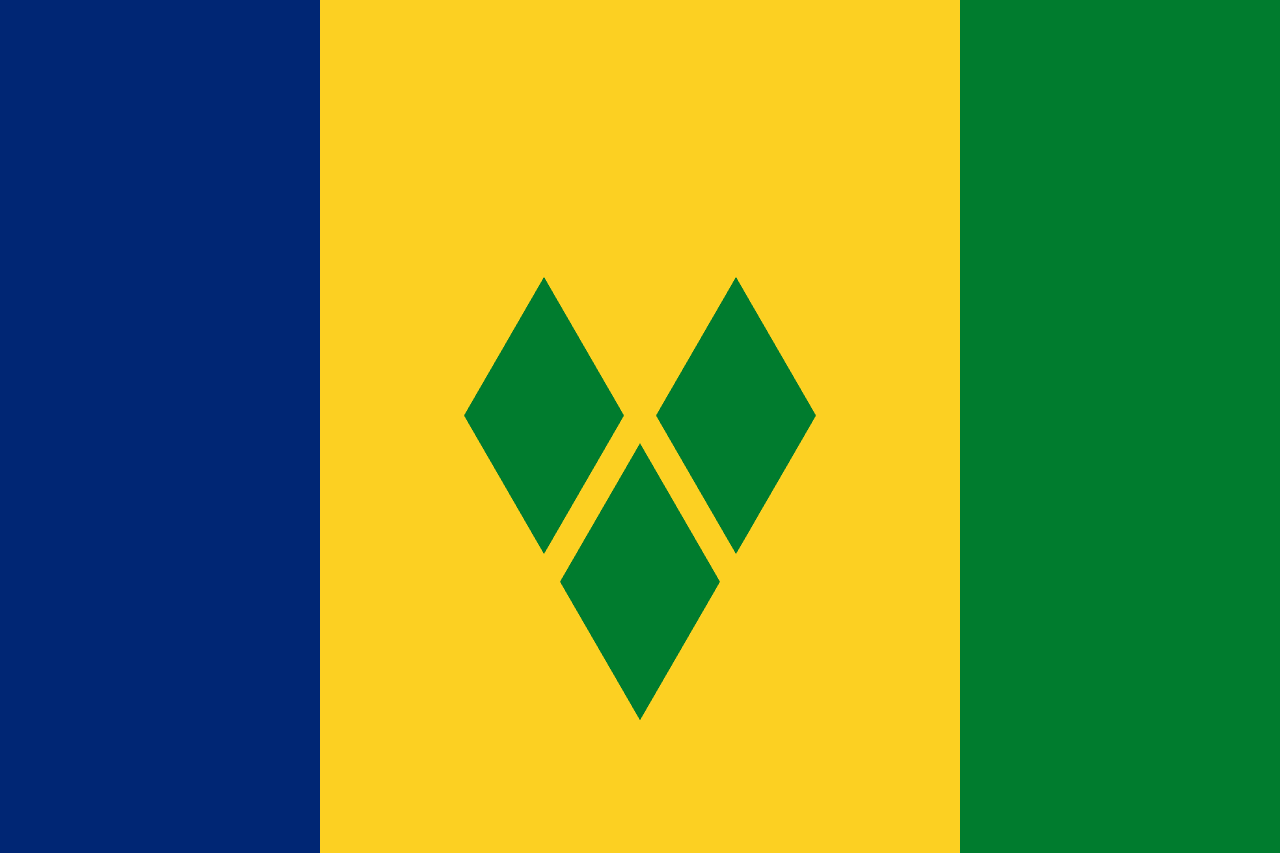
The History of Saint Vincent and the Grenadines: From Ancient Times to Today
🌐 Translate:
# The History of Saint Vincent and the Grenadines: From Ancient Times to Today
Nestled in the heart of the Caribbean, Saint Vincent and the Grenadines is a string of picturesque islands that tell a tale as rich and diverse as the vibrant waters that surround them. This archipelago, often overshadowed by its more populous neighbors, is steeped in a history marked by indigenous cultures, colonial conquest, and a resilient spirit that led to independence. Join me on a captivating journey through the annals of time, as we explore the historical tapestry of Saint Vincent and the Grenadines, from ancient days to the modern era.
## Ancient and Indigenous History
Long before the arrival of European settlers, the islands of Saint Vincent and the Grenadines were inhabited by the Arawak and Carib peoples. The Arawaks, skilled agriculturalists and fishers, were the first to populate the islands around 2000 BC. They cultivated crops like cassava and sweet potatoes, establishing vibrant communities amid the lush landscapes. However, the arrival of the more aggressive Caribs around 1200 AD marked a significant turning point. The Caribs, renowned for their seafaring skills, swiftly displaced the Arawaks, thus transforming the demographic and cultural landscape of the islands.
The Caribs were not merely conquerors; they were also profound navigators and warriors. Their lifestyle was intricately connected to the sea, allowing them to traverse vast distances and establish trading networks with other Caribbean islands. They lived in villages, often constructed near the coastline, where they could engage in fishing and trade. Their pottery, tools, and woven goods reveal a rich cultural heritage that laid the foundations of life on the islands.
In a historical anecdote that highlights the complexity of indigenous life, the Caribs were known to have enslaved Arawak women, creating a society that blended different cultural elements. This initial interaction between indigenous groups is not only a testament to the dynamic social structures of the time but also foreshadows the challenges that would arise with the arrival of European powers.
## Colonial Encounters: The Age of European Expansion
The arrival of Christopher Columbus in 1498 marked the dawn of a new era for Saint Vincent and the Grenadines. Although Columbus did not land on Saint Vincent itself, his voyages ignited the European scramble for the Caribbean. The islands, rich in resources and strategic positioning, attracted the attention of various colonial powers, notably the French and the British.
In the early 17th century, the French laid claim to Saint Vincent, establishing a sugar plantation economy reliant on enslaved labor. However, it wasn't long before the British entered the fray. Over the next century, British power expanded rapidly in the Caribbean, leading to a series of conflicts known as the "Caribbean Wars." The Treaty of Paris in 1763, which followed the Seven Years' War, ceded control of Saint Vincent to the British, solidifying their presence in the region.
The colonial period was marked by intense struggles between the indigenous Caribs and the European settlers. The British sought to exert control over the islands, leading to several uprisings and confrontations. One of the most notable figures during this time was Chief Chatoyer, a Carib leader who rallied his people against colonial encroachment in the late 18th century. Chatoyer's resistance is a significant chapter in the history of Saint Vincent, symbolizing the fight against oppression and the struggle for autonomy.
Despite facing overwhelming odds, Chatoyer and his followers engaged in guerrilla warfare against British forces. The conflict culminated in the Battle of the Beni in 1795—a fierce contest that ultimately resulted in the defeat of the Carib forces. Unfortunately, the British response was brutal; many Caribs were captured or exiled to neighboring islands. Yet, Chatoyer's legacy as a symbol of resistance endures to this day.
## Towards Independence: The Road to Self-Governance
The 19th century was a period of profound change for Saint Vincent and the Grenadines. The abolition of slavery in 1834 marked a significant turning point in the archipelago's social and economic landscape. Freed slaves sought to establish their identities and communities, leading to the emergence of new social dynamics.
The colonial administration attempted to stabilize the region by implementing various reforms, but dissatisfaction simmered beneath the surface. In 1939, the establishment of the West Indies Federation showcased the aspirations of Caribbean nations seeking greater autonomy. Saint Vincent played a crucial role in this movement, providing a platform for discussions on self-governance.
However, it wasn't until the 1960s that significant political changes began to unfold. The introduction of universal suffrage in 1951 allowed Vincentians to participate in the electoral process, leading to the rise of local political leaders. One of the pivotal figures during this time was Ebenezer Joshua, who became the first Premier of Saint Vincent and the Grenadines in 1960. Joshua's leadership was instrumental in advocating for self-determination and enhancing the political consciousness of the Vincentian people.
On October 27, 1979, Saint Vincent and the Grenadines finally achieved independence from British colonial rule. The nation celebrated its newfound status with a sense of pride and optimism. In a momentous address, Prime Minister Milton Cato proclaimed, “We have won our freedom; we are free to build our future.” This historic declaration marked the culmination of decades of struggle and aspiration, a testament to the resilience of the Vincentian people.
## A Nation Emerges: The Modern Era
In the years following independence, Saint Vincent and the Grenadines faced both challenges and opportunities as it navigated the complexities of nationhood. The agricultural sector, primarily dependent on bananas, served as the backbone of the economy for many years. However, reliance on a single crop led to economic vulnerabilities, particularly with the fluctuations in global markets.
Moreover, the political landscape continued to evolve, with the rise of the New Democratic Party (NDP) and the Unity Labour Party (ULP). These political entities represented differing visions for the country, sparking spirited debates among Vincentians. Ralph Gonsalves, leader of the ULP, emerged as a prominent figure in Vincentian politics, serving as Prime Minister since 2001. Gonsalves's government focused on social programs, education, and healthcare, striving to uplift the living standards of the populace.
The volcanic eruption of La Soufrière in 1979 was a watershed moment in the country's history. The eruption, which forced thousands to evacuate, tested the resilience of the nation. The recovery efforts showcased the strength and solidarity of the Vincentian people. The government, alongside international aid organizations, worked tirelessly to assist those affected, highlighting the sense of community that characterizes Saint Vincent and the Grenadines.
Today, the country is celebrated for its breathtaking natural beauty, cultural richness, and vibrant communities. The Grenadines, with their idyllic beaches and crystal-clear waters, attract tourists from around the globe. The economy has diversified, with agriculture, tourism, and services playing essential roles in national development.
The cultural landscape remains vibrant, marked by festivals, music, and culinary traditions that reflect the island's diverse heritage. The annual Vincy Mas, one of the Caribbean's most colorful carnivals, showcases the creativity and artistry of Vincentians. Traditional folk music, such as calypso and soca, continues to resonate, echoing the spirit of resilience and cultural pride.
## Conclusion
The history of Saint Vincent and the Grenadines is a testament to the enduring spirit of its people. From the ancient Arawaks and Caribs to the colonial struggles and the quest for independence, each chapter of their journey has contributed to a rich cultural identity. Today, as the nation stands on the shoulders of its ancestors, it continues to forge its path in the Caribbean landscape, embracing its past while looking toward a promising future.
In a world that often overlooks the smaller nations, Saint Vincent and the Grenadines shines as a beacon of resilience, creativity, and community spirit. As we reflect on its history, we are reminded that the stories of nations, no matter how small, are woven into the larger narrative of humanity.