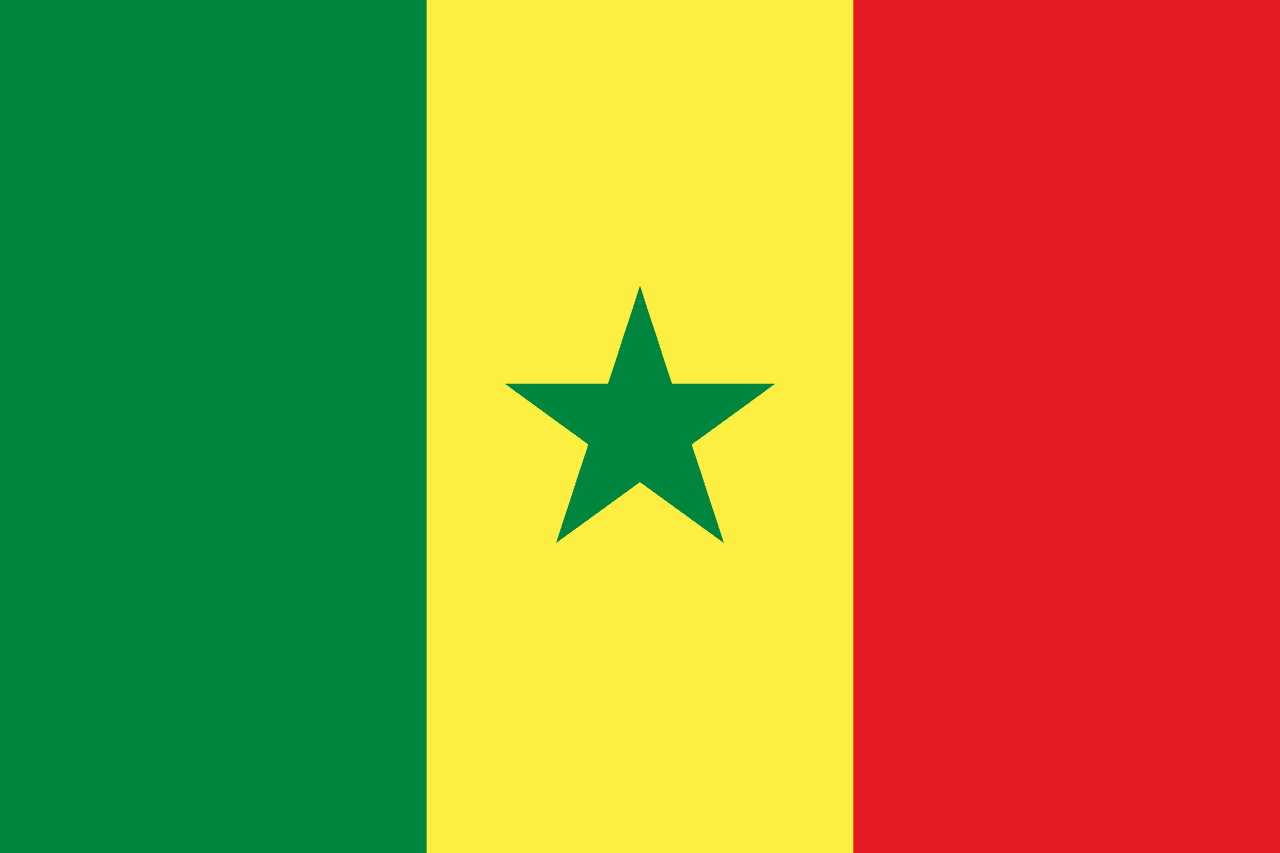
The History of Senegal: From Ancient Times to Today
🌐 Translate:
# The History of Senegal: From Ancient Times to Today
Senegal, a vibrant nation located on the westernmost tip of Africa, is steeped in a rich tapestry of history that goes back thousands of years. This land, where the Atlantic Ocean kisses golden sands and the Senegal River meanders through lush landscapes, has been shaped by diverse cultures, powerful empires, colonial exploits, and a relentless quest for independence. To understand Senegal’s present, we must embark on a journey through its past, exploring the epochs that have defined its identity.
## Ancient and Indigenous History
Long before the arrival of Europeans, Senegal was inhabited by a variety of indigenous groups, each with its own customs and traditions. The earliest evidence of human presence dates back to prehistoric times, with tools and artifacts found in the region suggesting a long history of habitation. This land was not merely a geographical space; it was a cradle of civilization, bustling with the activities of the Serer, Wolof, and Tukulor peoples, among others.
By the 3rd century AD, the area had become a melting pot of cultural exchanges, driven by trade routes that connected sub-Saharan Africa with the Mediterranean world. Traders from the north brought with them goods and ideas, fostering a dynamic exchange of culture and knowledge. The indigenous populations developed rich oral traditions, music, and art that reflected their deep connection to the land and their ancestors.
## The Rise of Powerful Kingdoms
As centuries passed, Senegal witnessed the rise of powerful kingdoms that would shape its political landscape. Among these, the Kingdom of Ghana, not to be confused with the modern nation of Ghana, was one of the first significant empires in West Africa. From around the 6th to the 12th century, the Kingdom of Ghana thrived, controlling key trade routes and becoming a hub for gold and salt trade.
However, it was the emergence of the Jolof Empire in the 14th century that would leave a lasting imprint on Senegalese history. The Jolof Empire, which unified several smaller kingdoms, became a dominant force in the region. Its capital, the city of Toucouleur, became a center of commerce and culture, attracting traders and scholars from across the region. The empire thrived until the late 16th century, when it began to fracture into smaller states due to internal conflicts and external pressures.
During this time, the Serer and Wolof kingdoms rose to prominence. The Serer people, known for their agricultural expertise and spiritual beliefs, established powerful kingdoms such as Sine and Saloum. Meanwhile, the Wolof, with their warrior culture, gradually expanded their influence. The blending of these cultures created a rich tapestry of traditions that continue to define Senegal’s identity today.
## The Colonial Period
The tides of history shifted dramatically in the 15th century when European explorers arrived on the shores of Senegal. The Portuguese were the first to anchor off its coasts, drawn by the allure of trade but later followed by the French. In 1659, the French established a trading post on the island of Gorée, which would become a crucial node in the transatlantic slave trade. Gorée Island is now a UNESCO World Heritage site, a haunting reminder of the time when millions of Africans were forcibly taken from their homeland.
The French colonial era profoundly impacted Senegal’s social, economic, and political structures. By the 19th century, Senegal had become a French colony, and the policies of assimilation aimed to integrate Senegalese society into French culture. This period was marked by resistance; key figures such as El Hadj Oumar Tall emerged as leaders in the struggle against colonial oppression. Oumar Tall, a Fulani cleric and military leader, sought to establish a theocratic state and resist French invasion, yet his efforts ultimately led to his downfall and the consolidation of French control.
Despite the harsh realities of colonial rule, the seeds of nationalism began to germinate. The Senegalese began to organize politically and socially, forming associations that would later evolve into movements seeking independence. The Senegalese political landscape began to change, and by the early 20th century, figures such as Léopold Sédar Senghor emerged as voices for reform.
## The Path to Independence
The aftermath of World War II was a turning point for many colonized nations, including Senegal. The war had exposed the weaknesses of colonial powers and ignited a spirit of independence among colonized peoples. In 1946, Senegal became a member of the French Union, and by 1956, the country was granted greater autonomy. This political momentum laid the groundwork for Senegal’s ultimate independence.
On April 4, 1960, Senegal stood tall as it proclaimed its independence from France, a landmark event marked by celebrations and a sense of hope. Léopold Sédar Senghor, an influential poet and philosopher, became the first president of independent Senegal. Senghor's presidency was characterized by a vision of a nation that embraced both African heritage and European influences. He championed a philosophy known as "Négritude," celebrating black culture and identity while advocating for education and development.
Under Senghor’s leadership, Senegal became a model of stability in West Africa, often contrasted with the tumultuous political climate of its neighbors. The nation embraced democratic values, promoting a multi-party system and engaging in dialogue. However, the road was not devoid of challenges, including economic hardships and political tension.
## Senegal Today
Fast forward to the 21st century, and Senegal continues to navigate the complexities of modern governance and development. The country has established itself as a beacon of democracy in a region often plagued by instability. In 2012, Macky Sall was elected president, succeeding Abdoulaye Wade, marking a significant political transition that underscored the strength of Senegalese democracy.
Senegal’s economy, once primarily reliant on agriculture, has diversified significantly. The country is now a hub for fishing, tourism, and burgeoning industries, including a growing information technology sector. The capital city, Dakar, pulsates with energy, showcasing a blend of modern skyscrapers and colonial architecture, vibrant markets, and lively cultural festivals.
Culturally, Senegal is a treasure trove. The country is renowned for its music, particularly the vibrant sounds of mbalax, influenced by traditional rhythms and global genres. The legendary Youssou N'Dour, one of Africa's most celebrated musicians, hails from Senegal and has used his platform to advocate for social change and cultural pride.
Moreover, Senegal is a nation of profound resilience. The country has embraced its cultural heritage while adapting to global changes. Festivals such as the Dakar Biennale celebrate the richness of African art and creativity, while initiatives to preserve the environment and promote sustainable development reflect a commitment to the future.
Lesser-known, yet significant, is Senegal's status as a leader in peacekeeping missions across Africa. The Senegalese military has contributed to various international peacekeeping efforts, showcasing the nation's commitment to stability and cooperation on the global stage.
## Conclusion
The history of Senegal is a narrative woven with threads of resilience, creativity, and a profound sense of identity. From its ancient kingdoms to the struggles of colonialism and the triumph of independence, Senegal’s journey reflects the complexities of the human experience. Today, as it navigates the challenges of the modern world, Senegal stands as a testament to the enduring spirit of its people — a spirit that celebrates its past while boldly forging its future. As visitors and citizens alike stroll through the streets of Dakar, they walk through history, where every corner tells a story, and the echoes of ancestors resonate in the vibrant culture of Senegal today.