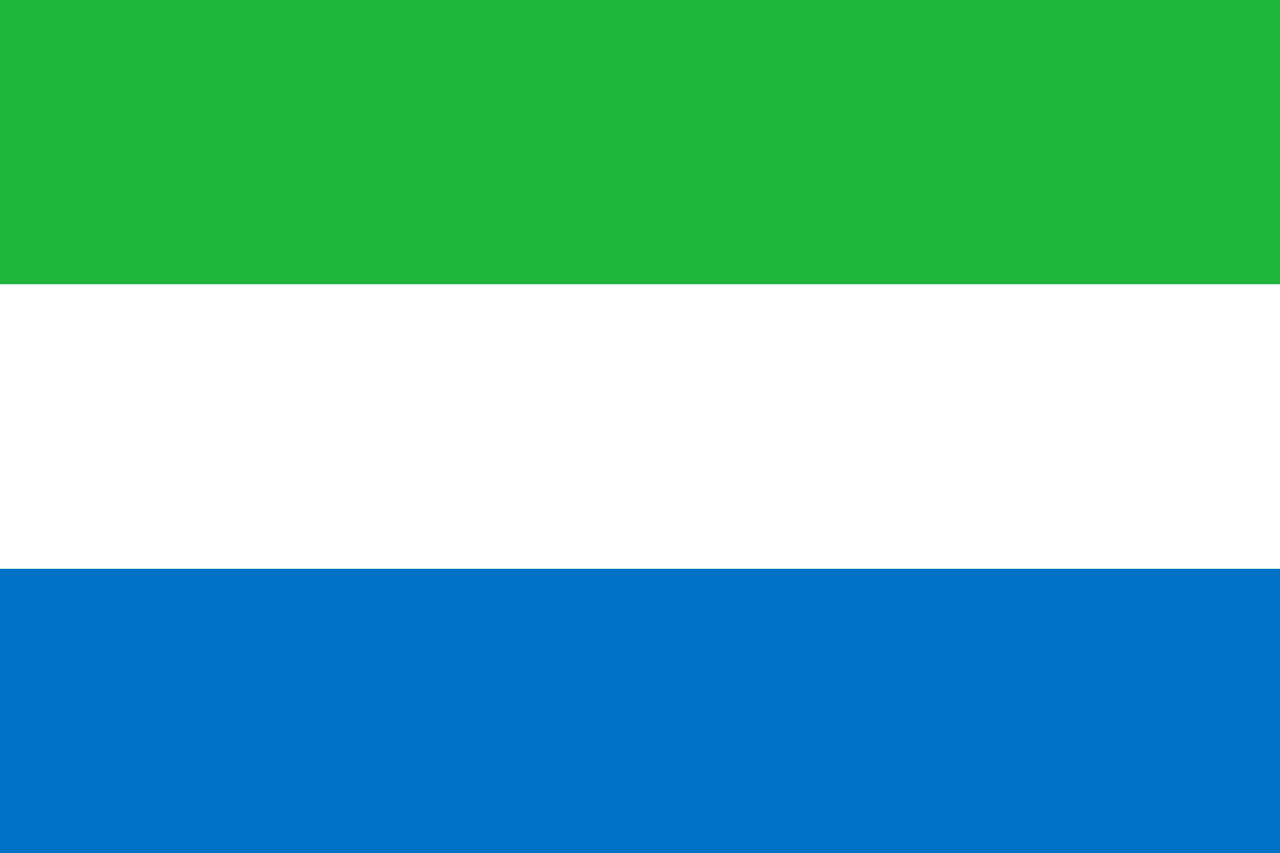
Sierra Leone is West Africa's most overlooked gem — a country with some of the continent's finest beaches, rich wildlife reserves, and a resilient, welcoming culture that has rebuilt itself after decades of civil conflict to become one of the region's most promising emerging destinations. On the Atlantic coast south of Guinea and north of Liberia, Sierra Leone offers pristine nature and authentic West African culture with a minimum of tourist infrastructure.
Freetown, the capital, sits on one of the world's largest natural harbors — a deep, sheltered bay that made it the base for British anti-slavery operations in the 19th century. The city was founded in 1787 as a settlement for freed slaves, and its history as a center of Krio culture (descended from freed slaves and settlers from Britain, Canada, Jamaica, and America) gives it a unique identity distinct from other West African capitals. The Cotton Tree, an ancient cottonwood in the city center, is a symbol of Freetown's founding. The National Museum tells the story of the country from prehistoric times through the slave trade, colonial era, and the devastating 1991-2002 civil war.
The Freetown Peninsula beaches are among West Africa's finest. River Number Two Beach — a wide, palm-fringed curve of white sand at the mouth of a river estuary — has been voted Africa's best beach on multiple occasions. Tokeh Beach, Bureh Beach (excellent for surfing), and the remote Turtle Islands offer pristine sand and warm Atlantic water within reach of the capital. The lack of mass tourism infrastructure means these beaches remain uncrowded and unspoiled.
Outamba-Kilimi National Park in the north is Sierra Leone's largest protected area, sheltering hippos, chimpanzees, and forest elephants in habitats ranging from savanna to rainforest. Tiwai Island Wildlife Sanctuary in the south is a research station on a river island accessible by dugout canoe, home to 135 bird species and 11 primate species including rare pygmy hippopotamuses. The Tacugama Chimpanzee Sanctuary near Freetown rescues and rehabilitates orphaned chimpanzees and offers guided tours.
Sierra Leone is the world's third-largest producer of natural diamonds, and the brutal history of conflict diamonds is explored in Koidu town and through responsible mine visits.
Sierra Leonean cuisine features groundnut (peanut) stew, cassava leaf soup, jollof rice, and fresh barracuda grilled over charcoal. Palm wine flows freely at celebrations. The best time to visit is November through April during the dry season.