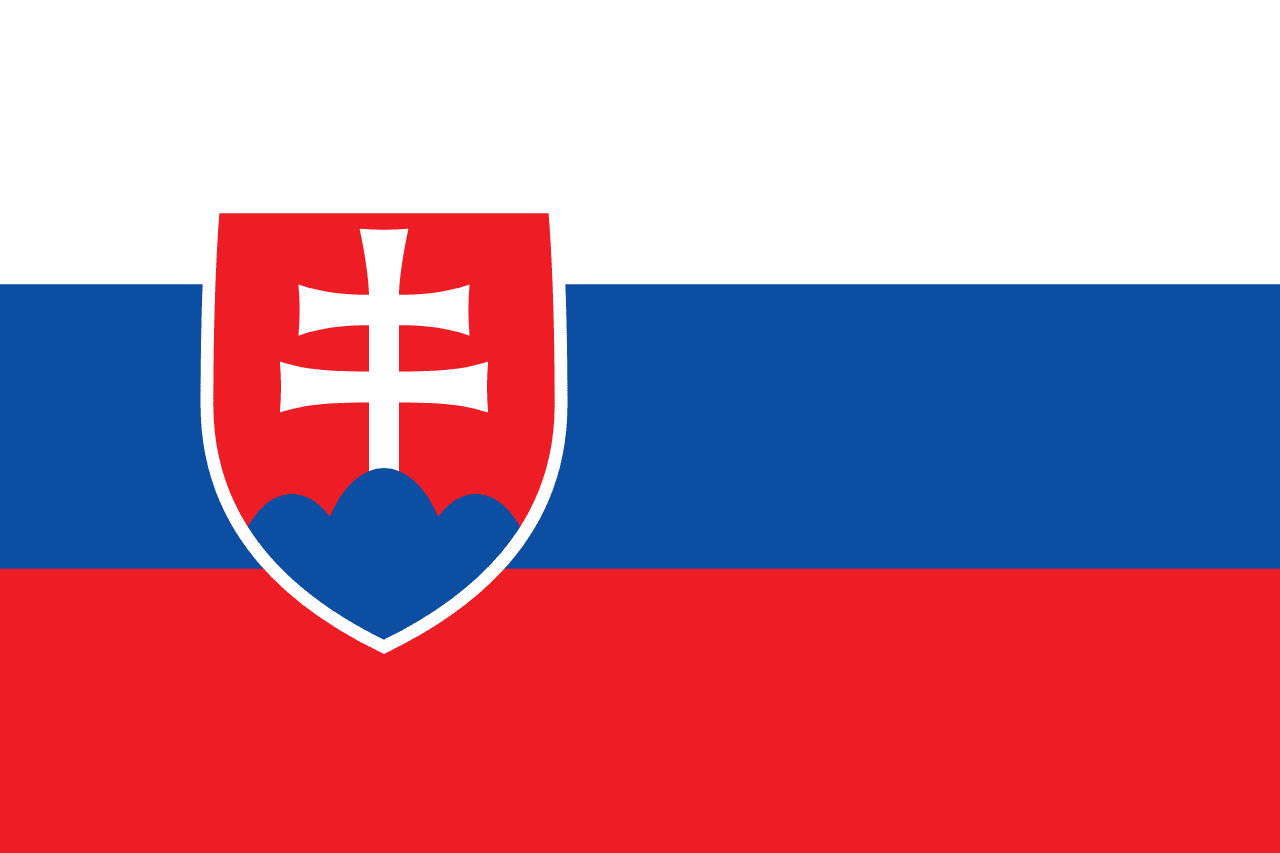
Slovakia: Caves, Castles and the Folk Tradition Underneath the Tourism
🌐 Translate:
Slovakia has more caves per square kilometre than almost anywhere on earth. The Slovak Karst region in the south contains the Domica cave system — connected to the Baradla caves of Hungary, forming the longest cave system in Central Europe. The Dobšinská Ice Cave, with its permanent ice formations built up over centuries, is UNESCO World Heritage. The Ochtinská Aragonite Cave contains crystalline formations unique in the world. Slovakia's underground is as dramatic as its above-ground landscape of mountain ranges, river valleys, and medieval fortresses.
Čičmany is a village in western Slovakia where the wooden houses are painted with white geometric patterns on dark wood — a tradition dating to the 18th century that makes the village look like something from a folk embroidery pattern translated into architecture. The patterns were originally practical — whitewash preserving the wood — but became ornamental and then symbolic. The village was nearly destroyed by fire in 1921 and rebuilt with the same patterns. It is one of the few places in Europe where vernacular architectural decoration has been maintained as a living practice.
Slovak folk music — particularly the fujara, a bass overtone flute over two metres tall that produces haunting harmonics — is UNESCO Intangible Cultural Heritage. The instrument requires significant physical technique and produces sounds found nowhere else in folk music. The tradition of decking young women's costumes in elaborate folk embroidery for festivals — each region with its own distinctive colour and motif combinations — continues in Slovak villages where younger generations are choosing to maintain what their grandparents practised.