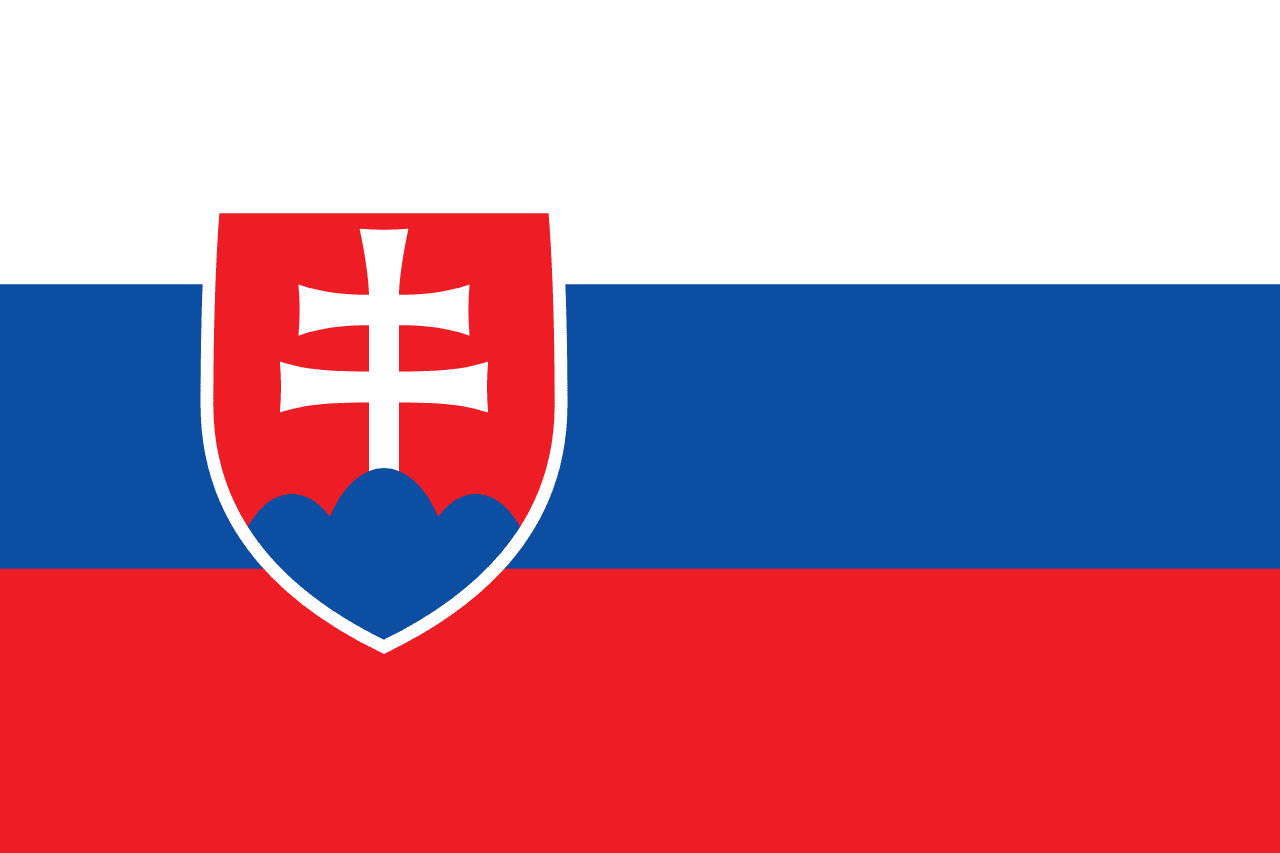
What It's Really Like to Live in Slovakia
Slovakia, a small yet enchanting country nestled in the heart of Central Europe, often flies under the radar of many travelers. However, having spent several years living in this beautiful nation, I can attest that Slovakia offers a rich tapestry of experiences that make everyday life here both unique and rewarding. From daily routines to the subtleties of social customs, the Slovak way of life is filled with charm and surprises.
Picture waking up in a quaint apartment in Bratislava, the capital city, surrounded by the picturesque landscape of the Carpathian Mountains. The morning sun streams through the window, and the aroma of freshly brewed coffee wafts through the air. A typical Slovak morning begins with a simple breakfast, often consisting of a slice of bread with butter and a sprinkle of salt or a sweet pastry called “trdelník,” which is particularly popular in touristy areas. Coffee culture is thriving in Slovakia, with a cup of robust Slovak coffee costing around €1.50, which you can enjoy at any local café while people-watching or reading the morning news.
When it comes to daily life, Slovakia benefits from a slower pace, especially compared to many Western European countries. Public transport is efficient and affordable, making it easy to navigate urban areas. A monthly public transport pass in Bratislava costs around €35, allowing you unlimited travel on buses, trams, and trolleybuses. The infrastructure is well-maintained, and locals pride themselves on punctuality. If you plan to visit someone’s home, it is polite to arrive on time, as being late can be seen as disrespectful.
The cost of living in Slovakia is generally lower than in many Western European countries, which is a breath of fresh air for expats. Rent for a one-bedroom apartment in the heart of Bratislava can range from €500 to €700, depending on the neighborhood, while smaller towns like Nitra or Prešov offer even more affordable options. Groceries are reasonably priced, with a loaf of bread costing around €0.80 and a liter of milk about €1.00. Dining out is also quite economical; a meal at a local restaurant can set you back between €6 to €10. Traditional Slovak dishes, such as “halušky” (potato dumplings) or “sviečková” (marinated beef in cream sauce), are not only delicious but also easy on the wallet.
Food culture in Slovakia is deeply rooted in tradition and family. Slovaks take pride in their culinary heritage, which features hearty, comforting dishes. Sunday family lunches are a cherished tradition and often include a spread of local specialties. During holidays, you’ll find festive meals that showcase the region's produce, such as smoked meats and rich pastries. The Slovak love for food is also reflected in the numerous food festivals celebrated throughout the year, where locals and visitors alike gather to sample regional dishes and enjoy live music.
Social customs in Slovakia can be both warm and formal. Greetings typically involve a firm handshake, and it’s customary to address people using their titles and surnames until invited to do otherwise. Slovaks are known for their hospitality; if you’re invited to someone’s home, it’s polite to bring a small gift, such as flowers or a bottle of wine. It’s also common to offer a toast when drinking, with the phrase “Na zdravie!” meaning “To health!” echoing through many social gatherings. As you mingle with locals, you’ll quickly discover a strong sense of community, especially in smaller towns where everyone knows each other's names.
Family life holds significant importance in Slovak culture. Many families prioritize spending time together, whether it’s enjoying a meal, participating in outdoor activities, or attending local events. Children are often seen playing outside in parks or engaged in organized sports. Family gatherings during holidays are elaborate affairs, where traditions are passed down through generations. Slovaks take pride in their children’s education, often helping them with homework or engaging them in cultural activities, from music lessons to folklore dance classes.
Work culture in Slovakia reflects a blend of traditional values and modern influences. The workweek typically runs from Monday to Friday, with weekends reserved for relaxation and family time. Slovaks generally enjoy a balanced work-life dynamic, and while the work environment can sometimes feel formal, there’s often a friendly camaraderie among colleagues. Expect to see coffee breaks as an essential part of the day, during which employees gather to chat and unwind. The average monthly salary in Slovakia is around €1,300, but this varies significantly between different professions and regions.
As the weekend rolls around, Slovaks know how to unwind. Many locals venture to the mountains for hiking or skiing, as Slovakia is blessed with stunning natural landscapes. The High Tatras, a majestic mountain range, offers an array of outdoor activities year-round, drawing both locals and tourists. For those preferring a more leisurely weekend, city life offers plenty of entertainment options, from vibrant street markets to cultural festivals showcasing local music and art. Bratislava’s Danube riverbanks become lively spots for picnics and outdoor concerts during the warmer months, creating an inviting atmosphere for both locals and newcomers.
Slovakia’s weather can vary significantly throughout the year, influencing daily life in various ways. Winters can be harsh, with temperatures often dropping below freezing, while summers offer warm, sunny days perfect for outdoor activities. The changing seasons are embraced by locals, with winter bringing opportunities for skiing and cozy evenings by the fire, while spring and summer are celebrated with festivals and outdoor gatherings. People often adapt their wardrobes to reflect the seasons, with heavier clothing giving way to lighter, colorful attire as the weather warms.
Living in Slovakia comes with its challenges, as it does in any country. The language barrier can be daunting for newcomers, as Slovak is not widely spoken outside the country, and it can be quite different from other Slavic languages. However, many Slovaks speak English, especially the younger generations, which eases the transition for expats. Adapting to local customs may also require some patience; for example, the concept of "personal space" can be different, with locals often standing closer during conversations than what some foreigners might be accustomed to.
Despite these challenges, the positives of living in Slovakia are abundant. The sense of community is palpable, and the slower pace of life allows for a deeper appreciation of everyday moments. The breathtaking landscapes, rich history, and vibrant culture foster a lifestyle that encourages connection—be it with family, friends, or nature. The affordability of living and the delicious local cuisine only add to the appeal, making Slovakia an increasingly popular destination for expats and digital nomads.
What surprises foreigners most about living in Slovakia is the warmth and genuine hospitality of the people. Many newcomers find that once they take the time to learn the language and immerse themselves in local customs, they are welcomed with open arms. The Slovak penchant for storytelling and folklore is also a delightful surprise; locals often share tales of ancient traditions or historical events, enriching your understanding of the culture.
In conclusion, living in Slovakia offers a wonderfully rich experience marked by strong community ties, beautiful landscapes, and delightful traditions. Whether you’re sipping coffee in a Bratislava café, exploring the High Tatras, or enjoying a family meal, the everyday life in Slovakia is a blend of simplicity and depth that invites you to truly savor each moment. If you’re considering a move or just curious about this lesser-known gem in Europe, be prepared for a journey filled with warmth, charm, and endless discoveries.