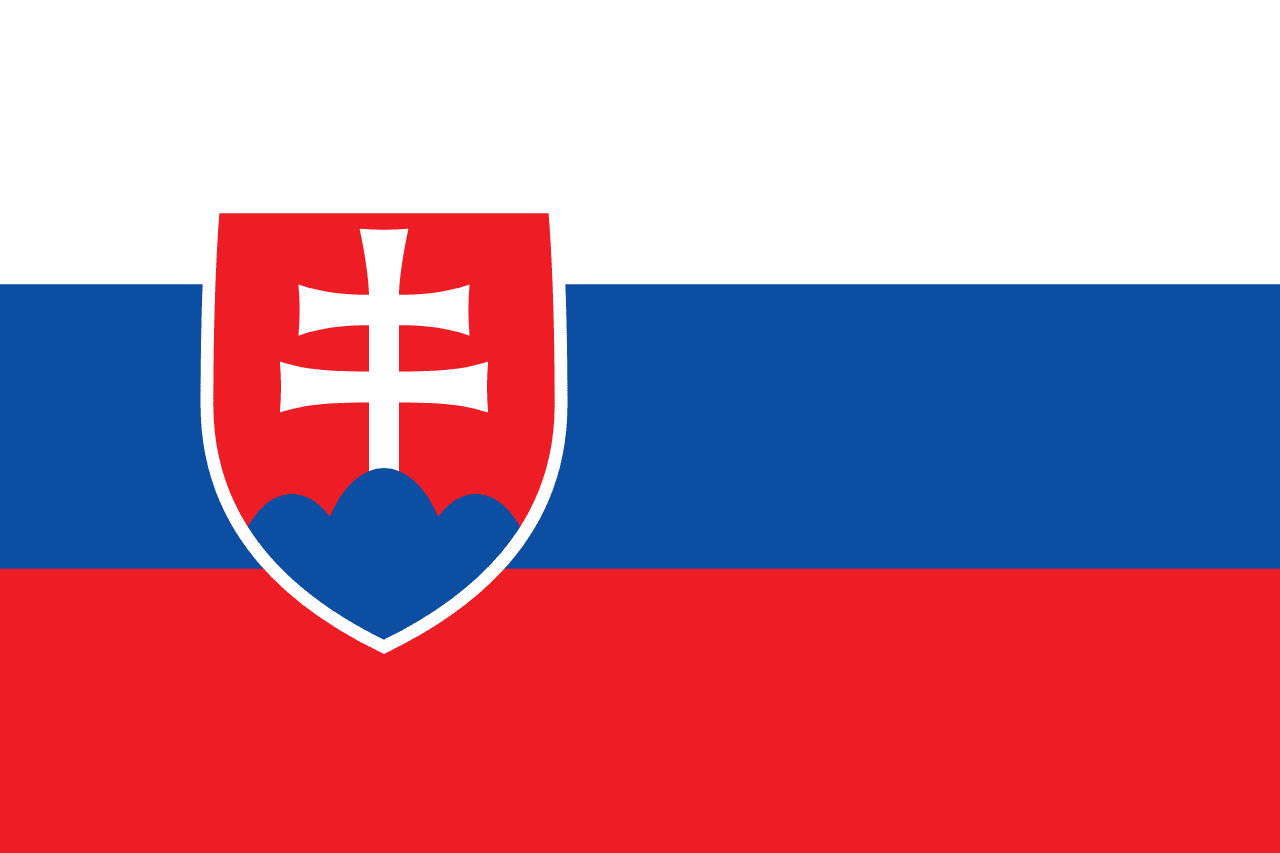
Slovakia is Central Europe's hidden treasure — a small, landlocked country in the heart of the continent where the Western Carpathian mountain ranges dominate the landscape with dramatic gorges, high peaks, ancient forests, and medieval castle ruins. Overshadowed by its more famous neighbors Austria, Hungary, and the Czech Republic, Slovakia offers an authenticity and affordability that has been diluted elsewhere, and its natural landscapes are among the finest in the region.
The High Tatras — the highest range of the Carpathians — rise abruptly from the northern Slovak plain to peaks above 2,600 meters. Rysy peak, at 2,499 meters, is the highest point accessible to hikers and offers views across the rooftop of Central Europe. The resort towns of Strbske Pleso, Stary Smokovec, and Tatranska Lomnica provide bases for summer hiking and winter skiing among glacial lakes, waterfalls, and alpine meadows. The Tatra chamois, brown bears, wolves, and lynx inhabit the forests and rocky heights.
Slovak castles are some of Europe's most dramatic. Spis Castle, a UNESCO World Heritage Site and one of the largest castle complexes in Central Europe, crowns a limestone hill above the Spis region with an imposing silhouette of white towers and ramparts. Bojnice Castle, reflected in its lake and surrounded by parkland, looks like it emerged from a fairy tale — and indeed it hosts a famous ghost and phantom festival each spring. Oravsky Hrad, clinging to a narrow rock above the Orava River, is the most photographed castle in Slovakia.
Banska Stiavnica, another UNESCO site, is a remarkably preserved historic mining town in central Slovakia where the grid of baroque churches, historic mine shafts, and artificial reservoir lakes (tajchy) built to power the 18th-century silver mining operations are maintained as living heritage.
Bratislava, the capital, is compact and charming — the old town is easily walkable, anchored by a hilltop castle overlooking the Danube and filled with baroque fountains, sidewalk cafes, and the eclectic street art of its UFO bridge observation deck. The Blue Church (Church of St. Elisabeth) is an extraordinary art nouveau building covered entirely in pale blue ceramic tiles.
Slovak cuisine is hearty highland food — bryndzove halusky (potato dumplings with sheep's cheese and bacon), kapustnica (sauerkraut soup), svickova (beef in cream sauce), and klobasa sausage are winter staples. The best time to visit is May through September for hiking; December through February for skiing.