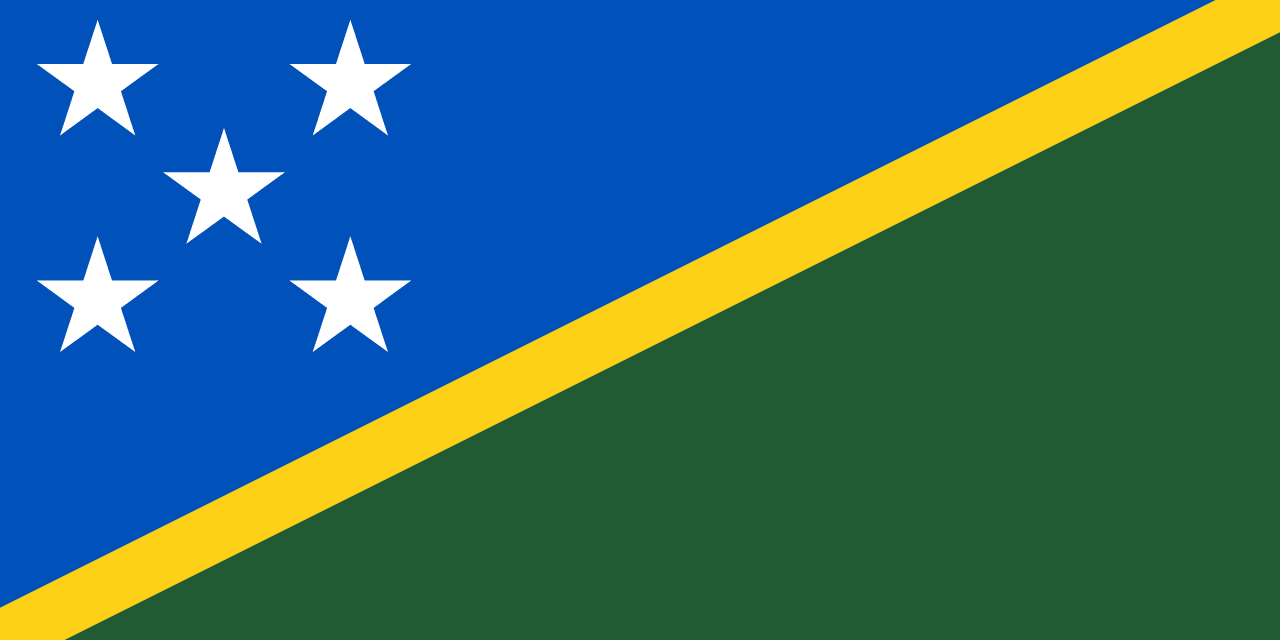
The History of Solomon Islands: From Ancient Times to Today
🌐 Translate:
# The History of Solomon Islands: From Ancient Times to Today
The Solomon Islands, a breathtaking archipelago nestled in the South Pacific, is a tapestry of vibrant cultures, lush landscapes, and a history that stretches back thousands of years. This collection of islands, comprising over 900 individual land masses, has long been a crossroads of civilizations, shaped by both its natural beauty and the indomitable spirit of its peoples. To fully appreciate the land of the Solomon Islands, one must journey through time, exploring the rich tapestry of its ancient roots, the emergence of powerful kingdoms, the shadows of colonialism, the hard-won independence, and the modern era.
## Ancient and Indigenous History
Long before the first European explorers set foot on its shores, the Solomon Islands were home to indigenous peoples whose rich cultures and intricate social structures were deeply intertwined with the land. Archaeological evidence suggests that the islands were first settled by Austronesian-speaking populations around 30,000 years ago. These early inhabitants brought with them a wealth of knowledge about navigation, fishing, and agriculture, laying the foundation for a vibrant and complex society.
The indigenous groups of the Solomon Islands, including the Melanesians, developed distinct languages, customs, and traditions that varied from island to island. With over 70 different languages spoken across the archipelago, each community fostered unique identities that were rooted in their environments. The people relied on the sea not only for sustenance but as a source of spiritual significance, and their oral histories passed down tales of ancestral heroes and mythological beings, connecting them to the land and sea.
This intricate relationship with the environment was further expressed through the practice of ‘wantok’ systems—social networks that emphasized kinship and mutual support. Communal living was paramount; resources were shared, and communal ceremonies marked significant life events. These traditions remain alive today, demonstrating the resilience of the Solomon Islands' cultural heritage.
## Emergence of Kingdoms and Trade
As the centuries progressed, the islands began to witness the rise of powerful local kingdoms and chiefdoms. Notable among these was the Weather Coast of Guadalcanal, which became a thriving center of trade and cultural exchange. The geographical setting of the Solomon Islands made them a pivotal point in trade routes that linked the Pacific Islands with Southeast Asia.
The islands were known for their exquisite handicrafts, particularly in wood carving and basketry, which were traded with neighboring island groups. This trade fostered not only economic ties but also cultural exchanges, enriching the societies of the Solomon Islands.
One of the most intriguing aspects of this period was the role of the "palu," or ceremonial chiefs. These figures held significant power, guiding their communities through diplomacy, warfare, and spiritual guidance. The palu were often seen as intermediaries between the living and the ancestral spirits, giving them a prominent role in both everyday life and significant events.
## European Exploration and Colonial Encroachment
The arrival of European explorers in the 16th century marked a turning point in the history of the Solomon Islands. Spaniard Álvaro de Mendaña was one of the first Europeans to sight the islands in 1568, naming them after King Solomon due to the myth that gold and riches could be found there. However, it wasn't until the 18th century that the islands would draw significant attention from European powers.
In the late 1700s, British explorer Captain James Cook charted parts of the archipelago, opening the door to more sustained contact with the outside world. The burgeoning interests of European nations in the Pacific saw the Solomon Islands falling under the sway of colonial ambitions. By the 19th century, British, French, and German interests began to converge on the islands, leading to a period of intense competition and conflict among colonial powers.
In 1893, the Solomon Islands formally became a British protectorate, a status that would shape the islands' political landscape for decades to come. The British imposed their governance structures and sought to exploit the islands’ resources, particularly through the establishment of plantation economies. This led to significant changes in local economies and lifestyles, as traditional practices were often overshadowed by colonial policies.
## The Colonial Period and Its Challenges
The colonial administration brought with it both opportunities and challenges for the indigenous population. On one hand, the introduction of new agricultural practices and cash crops like copra (dried coconut meat) created economic opportunities. On the other hand, colonial rule was often marked by oppressive policies and a disregard for indigenous rights and traditions.
Labor practices in particular were a source of contention. The British often imported laborers from other regions, leading to tensions among communities and contributing to the decline of traditional social structures. Resentment towards colonial rule simmered beneath the surface, and movements for greater autonomy began to emerge in the early to mid-20th century.
World War II would dramatically alter the course of Solomon Islands history. The islands became a key battleground in the Pacific theater, with significant battles such as the Battle of Guadalcanal taking place between Allied forces and the Japanese military in 1942-43. The conflict left a profound impact on the islands and its people, leading to loss of life and destruction of infrastructure. However, it also introduced new ideas about governance and self-determination, planting seeds for future political movements.
## Independence and Nationhood
In the decades following World War II, the momentum for independence in the Solomon Islands grew. The post-war period saw the rise of nationalistic sentiments, as many Pacific nations began to assert their rights to self-governance. In 1976, the Solomon Islands achieved self-governance, followed by full independence from British colonial rule on July 7, 1978.
The transition to independence was marked by jubilation as the people celebrated their newfound freedom. Sir Peter Kenilorea became the first Prime Minister, a symbol of hope and potential for a nation that was eager to forge its identity on the world stage. The early years of independence were characterized by a spirit of optimism, as the new government sought to build a cohesive nation from a diverse array of cultures and languages.
However, the challenges of nation-building quickly became apparent. Economic difficulties, political instability, and ethnic tensions began to surface, particularly in the late 1990s when conflict erupted between the indigenous groups of Guadalcanal and the settlers from Malaita. This civil unrest, known as the "Tensions," led to violence that claimed hundreds of lives and displaced thousands. The situation prompted international intervention, with the arrival of Australian-led peacekeeping forces in 2003, which helped to restore order and stability.
## The Solomon Islands Today
In the years following the resolution of the Tensions, the Solomon Islands have made significant strides towards rebuilding and reconciliation. The nation has focused on strengthening its governance and political institutions, alongside efforts to foster economic development. Today, the Solomon Islands is characterized by its rich cultural diversity; the coexistence of over 70 languages and numerous customs is a hallmark of its identity.
Tourism has also emerged as an important sector for the economy, drawing visitors to its stunning landscapes, coral reefs, and rich indigenous cultures. The Solomon Islands are often celebrated for their natural beauty, offering a glimpse into a world where ancient traditions continue to thrive alongside modern aspirations.
However, challenges remain. Climate change poses a significant threat to the Solomon Islands, with rising sea levels threatening coastal communities and agricultural livelihoods. The nation has been proactive in advocating for climate action and sustainable development, recognizing the need for collaboration with global partners to address these pressing issues.
As of today, the Solomon Islands are forging their path in a rapidly changing world, balancing tradition with modernity. The resilience of its people, rooted in their rich history, continues to guide the nation as it navigates the complexities of the 21st century. From its ancient beginnings to its contemporary struggles and aspirations, the story of the Solomon Islands is one of endurance, adaptability, and hope—a testament to the enduring spirit of its people.
In the grand narrative of world history, the Solomon Islands may seem like a small chapter, but within its pages lies an epic tale of humanity's connection to the land, sea, and each other. As we move forward, the legacy of the Solomon Islands serves as a reminder of the importance of preserving cultural heritage while embracing the challenges of tomorrow.